


Samsung fixed issues with Galaxy Fold

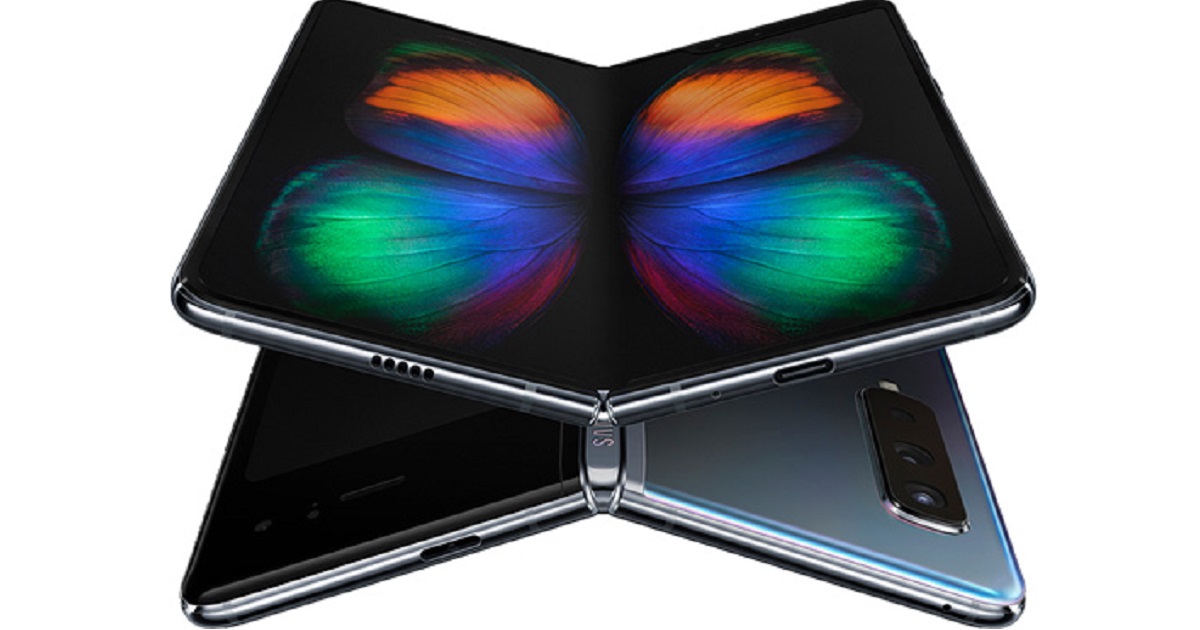
Samsung has been hard at work on improving the Galaxy Fold. These improvements were necessary after a bunch of problems surfaced when the reviews came out. Now a report from Korea details those improvements.
The company has reportedly solved both of the main issues that were reported – stuff (such as dirt, lint, dust, sand, and so on) being able to get into the hinge and lodge beneath the display, causing lasting damage; as well as people being driven to remove a protective layer that sat on top of the display because it looked kind of like your average run of the mill plastic screen protector. This resulted in damage to the display too.
This second problem was solved by Samsung tucking the ends of the protective film into the body of the phone. So now even if you wanted to peel it off, there’s no easy start point for that. Hopefully, this solution, paired with a huge “Do not remove” warning will convince people not to attempt such a maneuver.
On the review units, the protective layer didn’t go all the way to the end of the bezel, so tearing it off with a nail was extremely easy.

As for the hinge situation, Samsung solved this by reducing the gap between the top and bottom parts of the hinge to prevent foreign substances from getting in. That won’t 100% ensure that your new toy won’t accumulate some dust or lint over there, but it should reduce the chances nevertheless.
Clearly though for the next iteration of its foldable phone, Samsung needs to re-think the design of the hinge to make absolutely sure it doesn’t introduce durability issues such as these. If you look at the Galaxy Fold as just a ‘beta’ handset of sorts (like, say, the Note Edge back in the day), then you might forgive such shortcomings. If you approach it as an almost $2,000 luxury item, though, not so much.
The improved units are currently being tested with Korean carriers, with Samsung expected to announce a new release date very soon. The revamped model is slated to go on sale in its home country at some point in June, and the domestic launch might take place before the US rollout.