Introduction
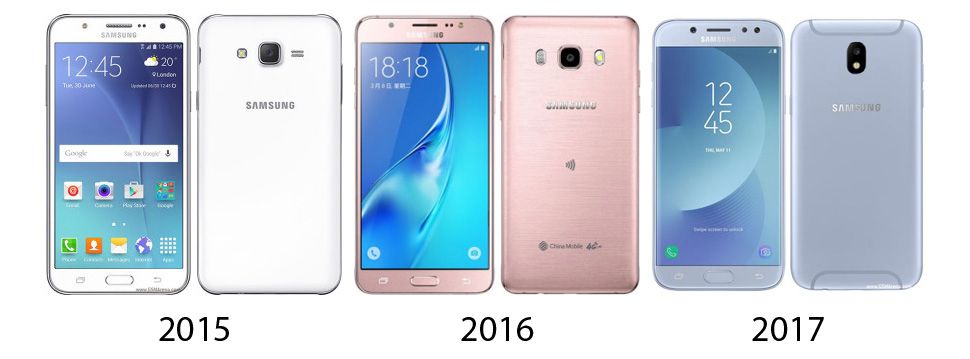
Samsung’s offer really is very rich with all devices from J, A and S series, and each year, starting from 2015, we can see new J series devices being further and further improved. As this is the middle segment of the market, in 2015 we saw a device made of plastic, with only an aluminum frame. What the J5 offered back then was a 5” HD display and decent camera setup, and on the front there was even an LED flash which ranked the J5 among the best selfie devices at the time. Removable battery was very practical, and it found its way in the 2016’s model as well – which brought a little bit bigger display and a newer version of Android. It was, we’d say, only a slight improvement compared to the 2015’s edition. But in 2017, things are getting hotter – we have a new J5! This time around we have a bunch of improvements which set the bar for the middle class much higher. The J5 is still in the middle ground, right between the J3 and the J7.

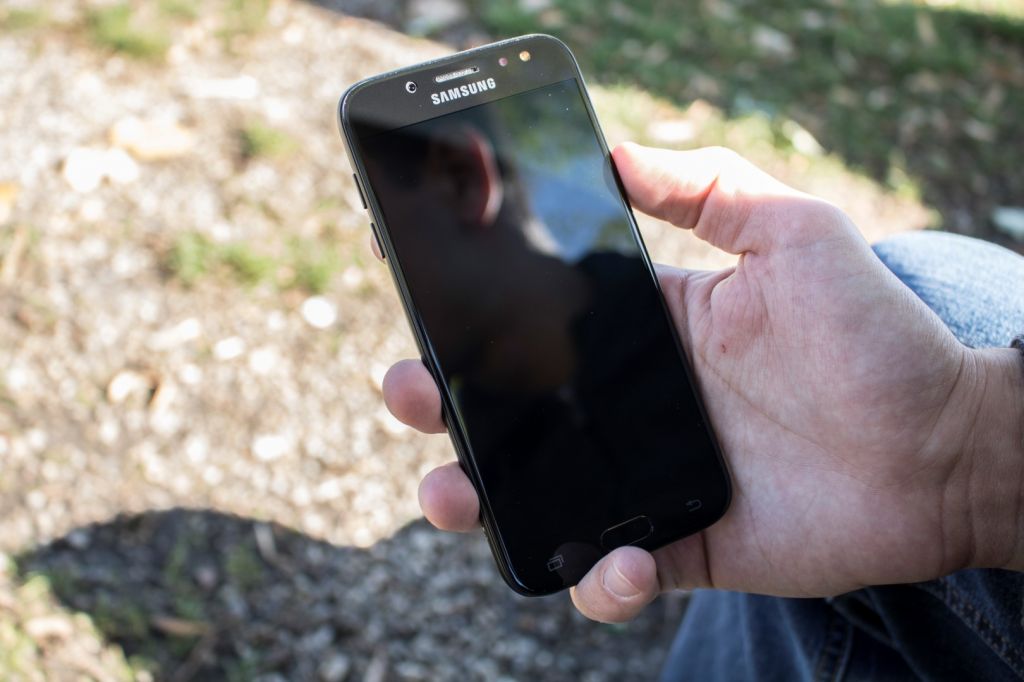
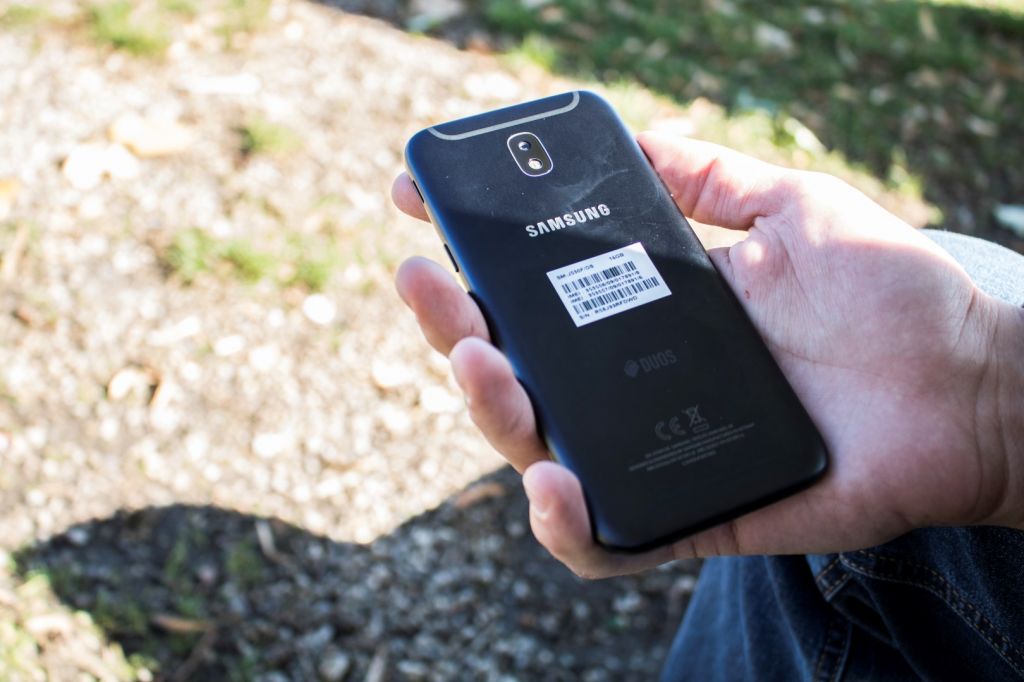
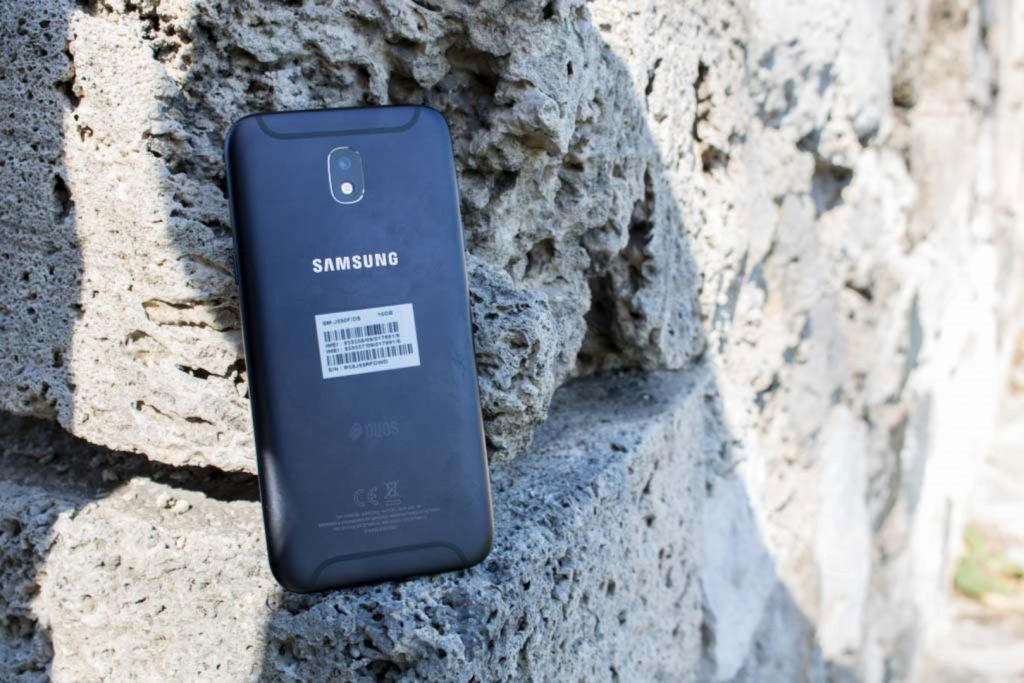
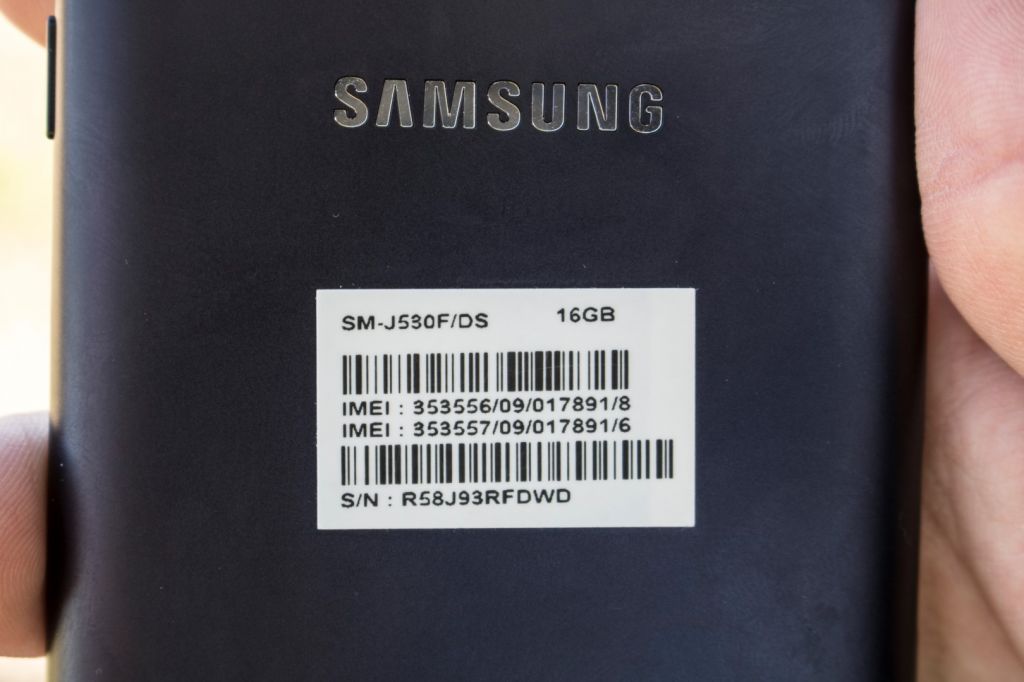
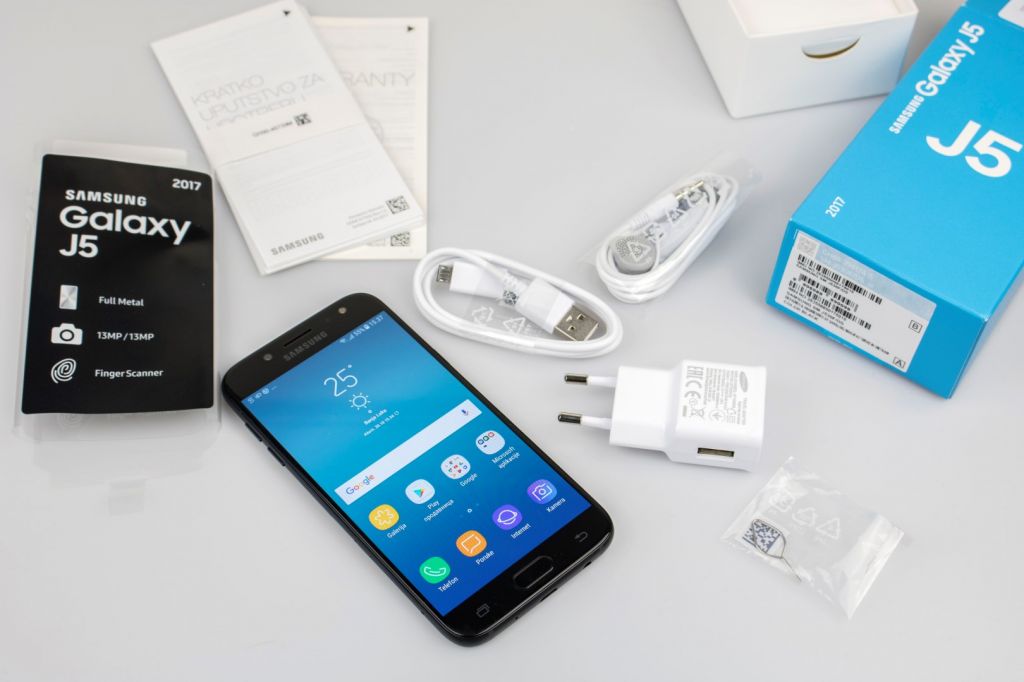
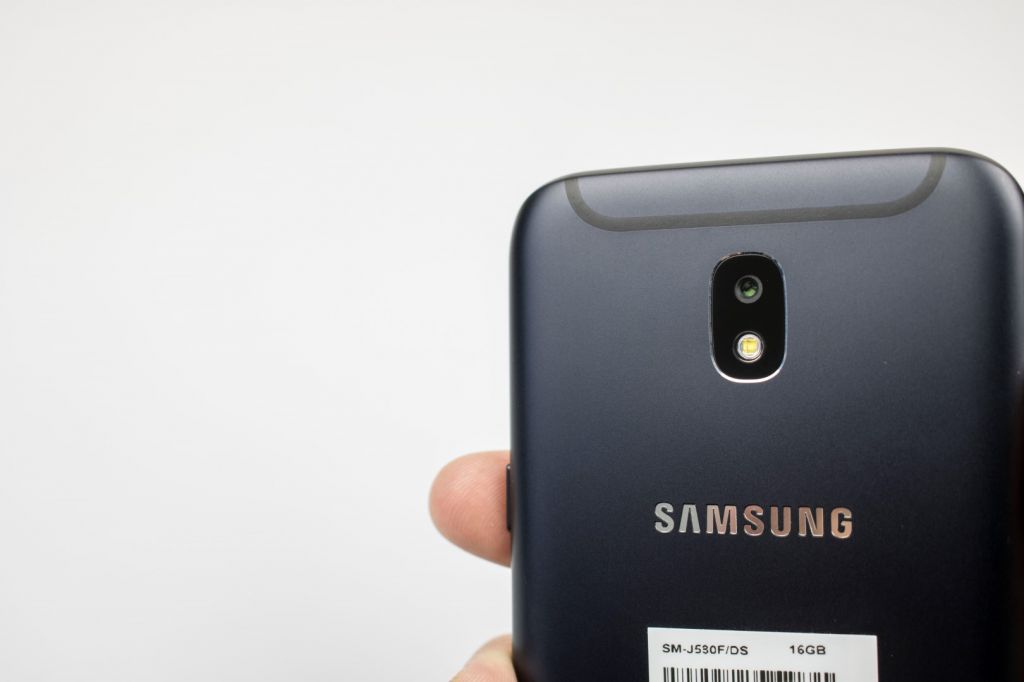
This time we have something that was until now reserved for the upper middle, or even premium class – full metal chassis, high resolution cameras and an octacore CPU. We’re still speaking of the J series? Why, yes, indeed! But sadly, there have to be some drawbacks – the battery is now non-removable. Inside the factory box of the J5 (2017) we can find: user manuals, 3.5mm headphones, a microUSB cable and a Samsung charging adapter. Today we’re testing the Black J530F/DS which is, as the name suggests, a DualSIM device.
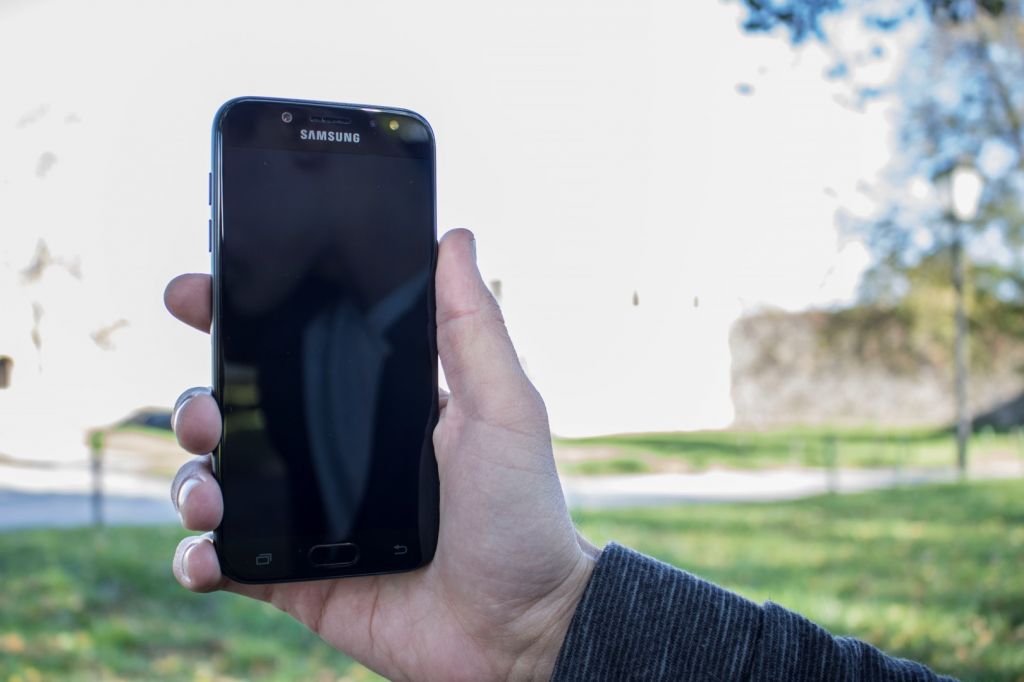
Next to the black color, there is also the J5 in: Blue, Pink and Gold. What does Samsung have in store for us for 2017’s middle class? Let’s find out together!

Video review
Unboxing
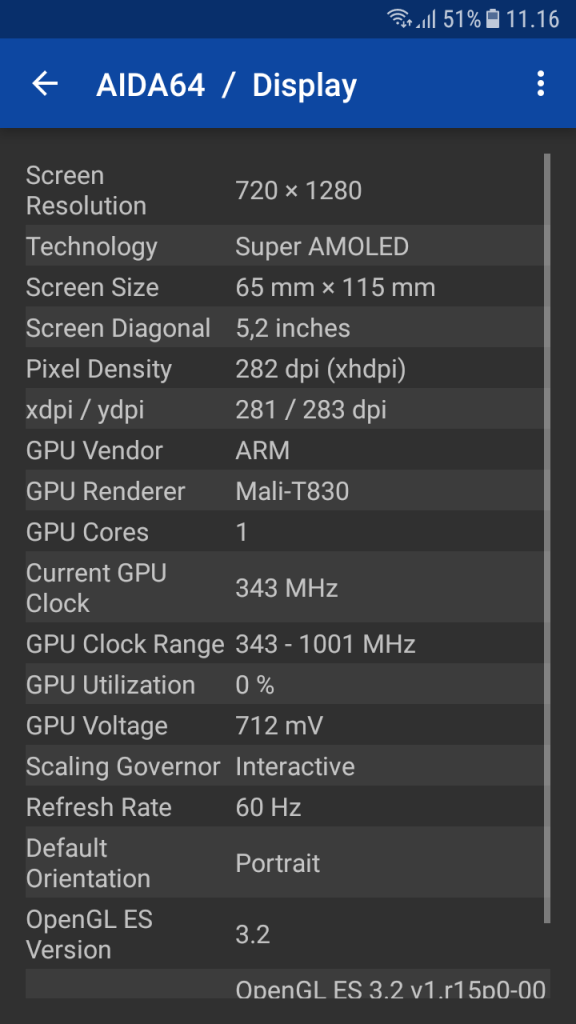
Display
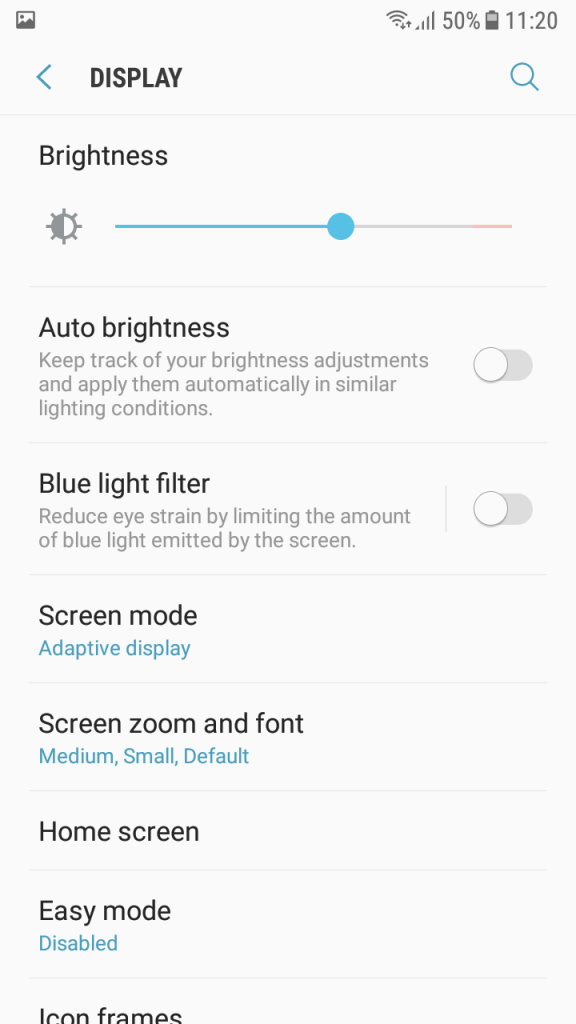
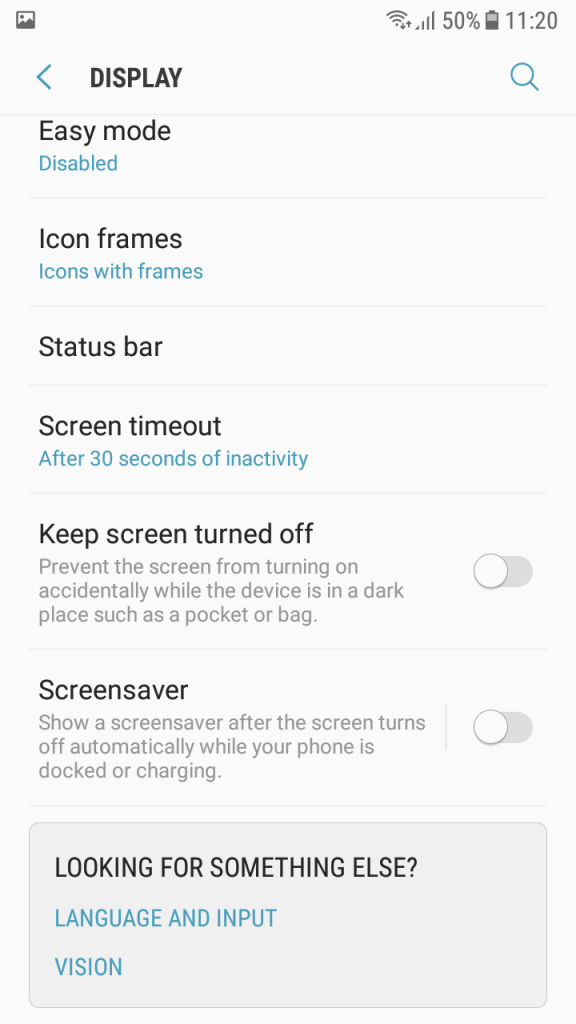
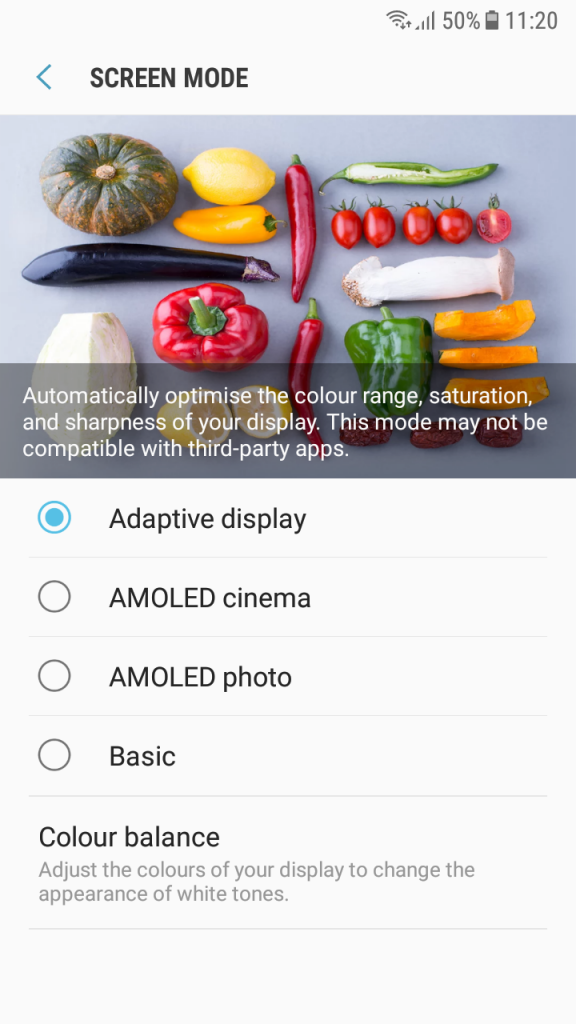
Screen adaptation is possible through the Screen Mode option which offers four options:

- Adaptive display
- AMOLED cinema
- AMOLED photo
- Basic
Hardware and OS
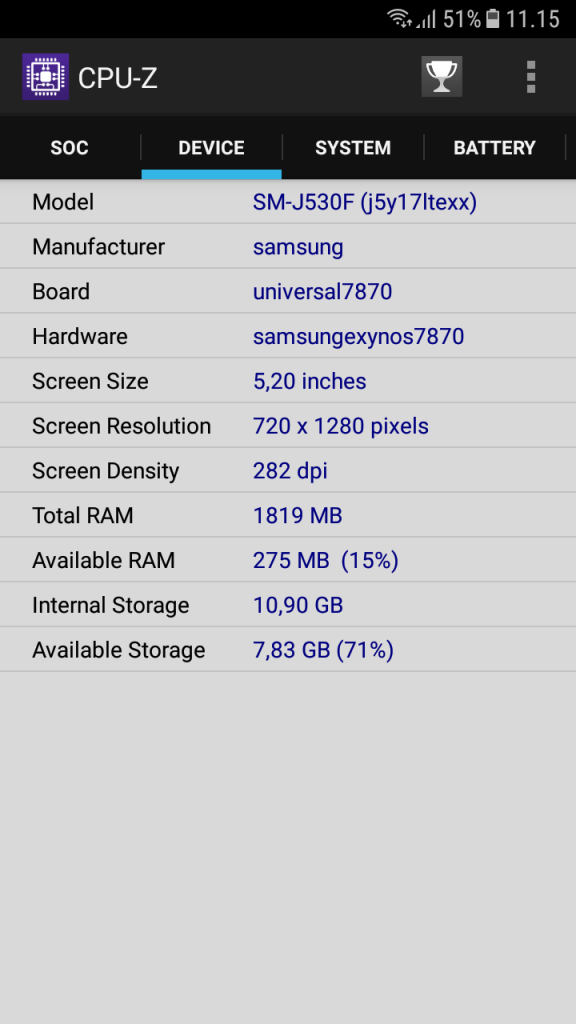
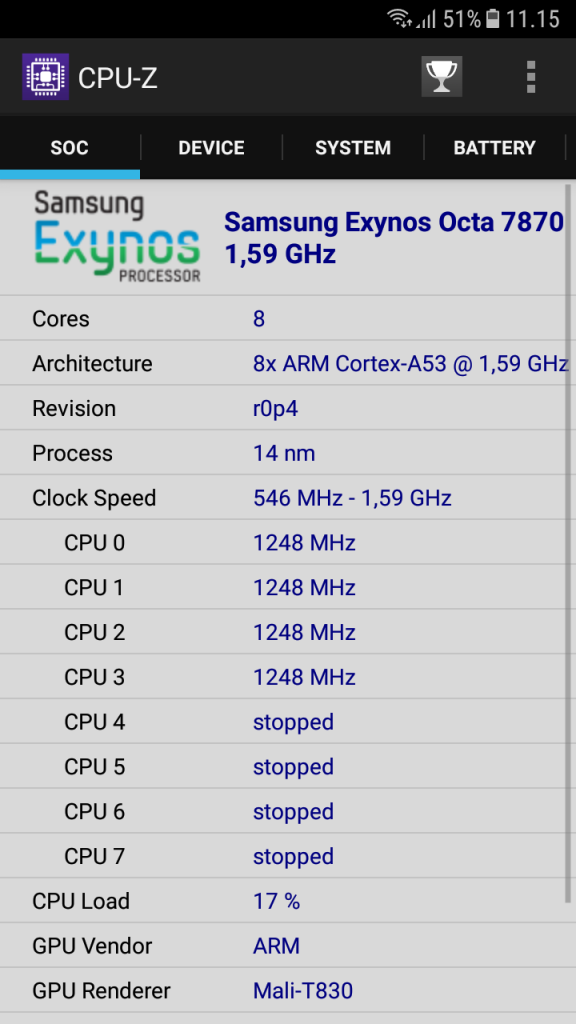
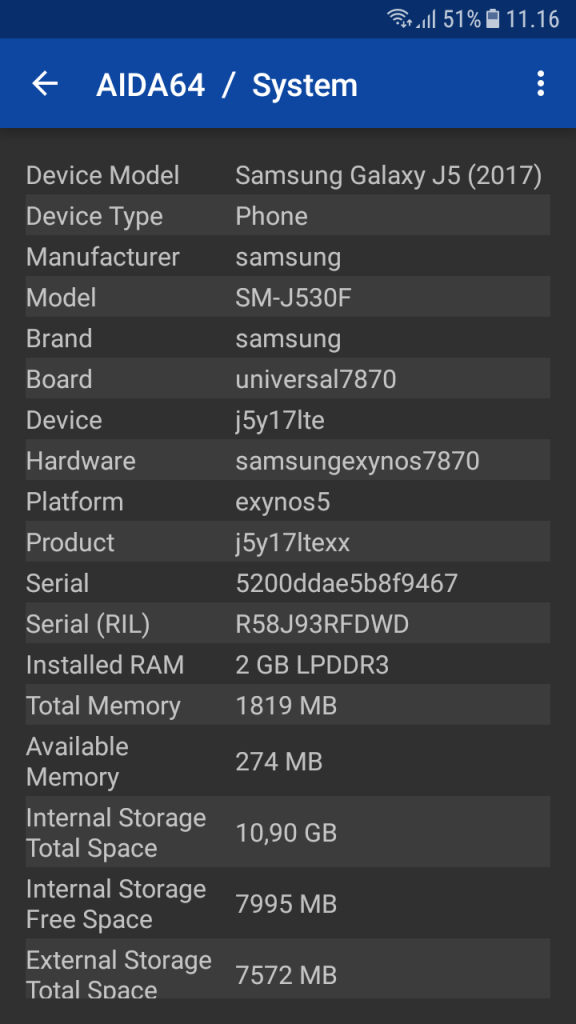
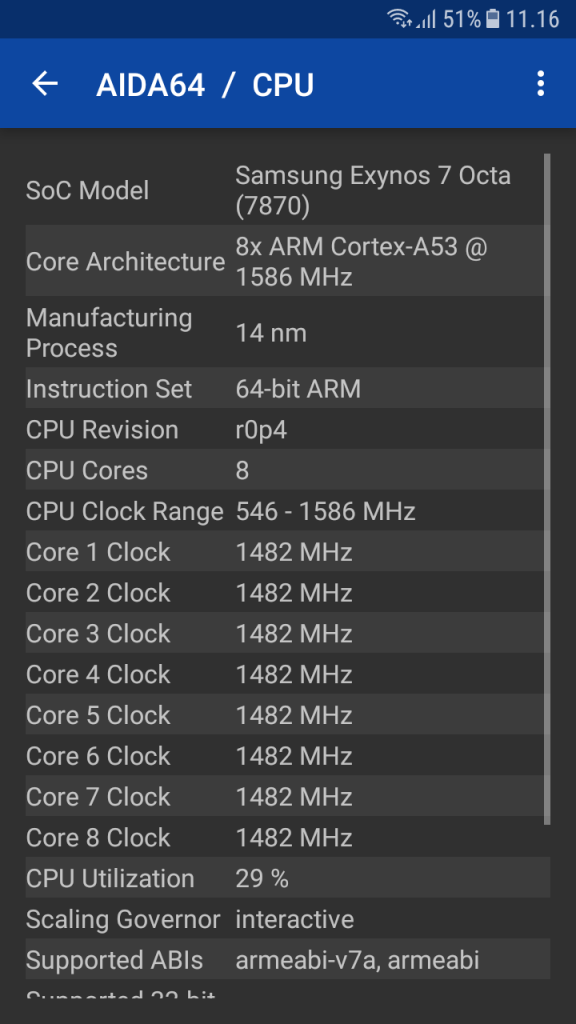
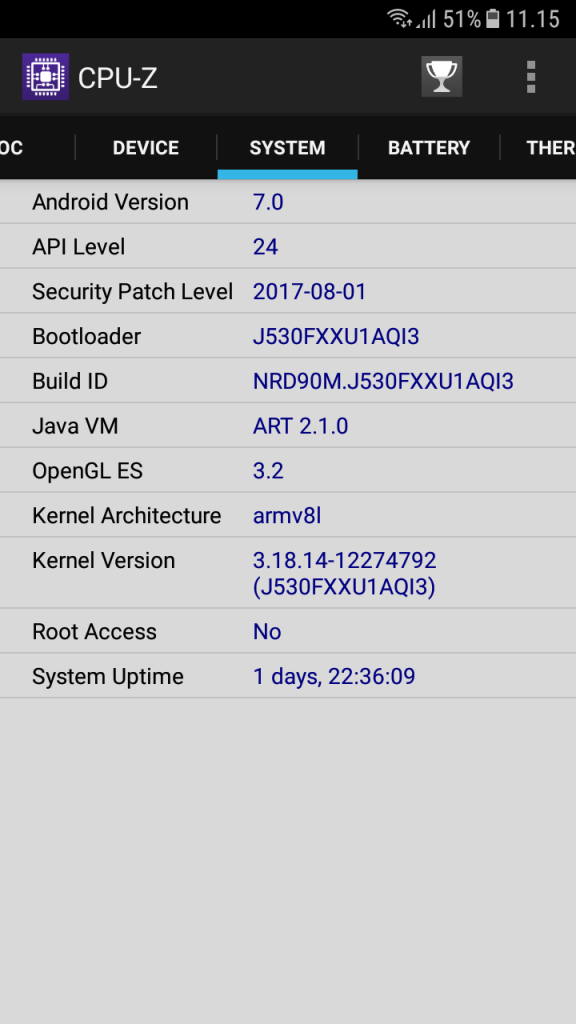
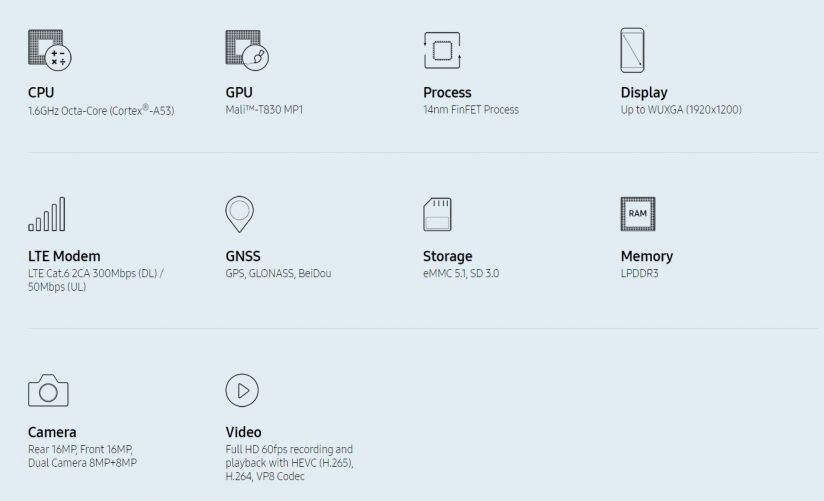
If we were to speak of the hardware that Samsung chose to implement into the J5 (2017), we would talk about the well-known Samsung Exynos 7870 Octa chipset which found its way into several low and middle class Samsung devices. Devices which use this chipset are: Galaxy J7 (2016) and (2017), Galaxy A3 (2017) and Galaxy J7 Prime. This is a chipset signed by Samsung, and it is consisted of 8 Cortex-A53 cores, all of which are clocked at 1.6 GHz, which makes this CPU very efficient and economic regarding battery consumption. Next to the CPU there is also the ARM Mali-T830 MP1 GPU which is in charge of graphics performance and which does a very good job considering the HD resolution of the display. Alongside all this, we’ll also mention the amount of RAM and internal storage, so the J5 (2017) comes in two versions with either 2 or 3GB or RAM (Pro version), and with either 16 or 32GB of internal storage. These two setups are already standard for this class, and even the 2/16GB configuration does a great job in terms of execution and multitasking. Thankfully, next to these memory options there is also a microSD card slot that supports expansions up to 256GB.

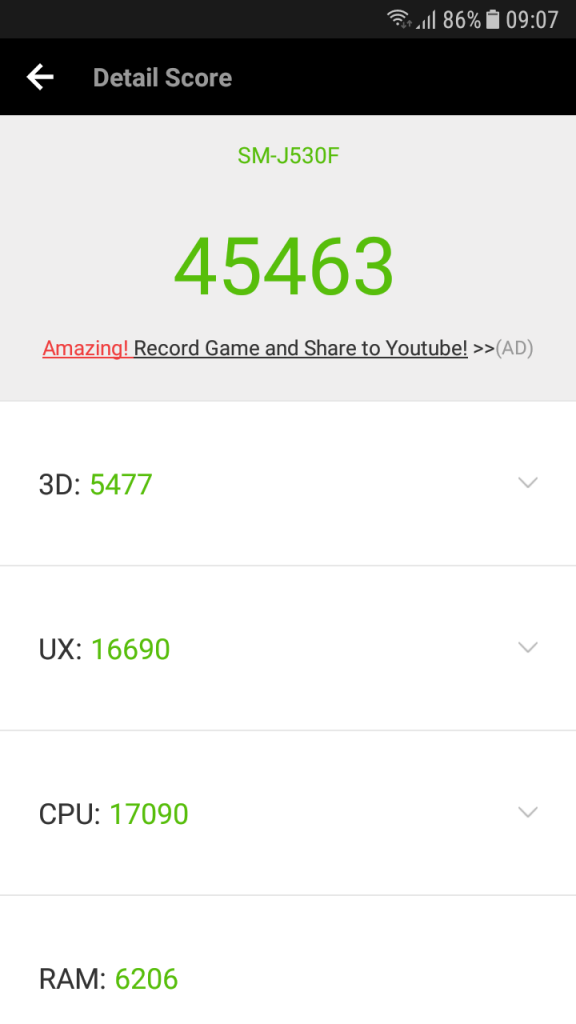
The general user experience of the J5 (2017) is excellent. Everything works very fluidly and with no stuttering or lag at all. Modern 3D games didn’t show low framerates during execution, but we did notice slight overheating during longer gameplay, but it did not make an impact on the performances, so “thermal throttling” isn’t something that is familiar to the J5 (2017). When it comes to the AnTuTu benchmark, the J5 (2017) scored 45 463 points.

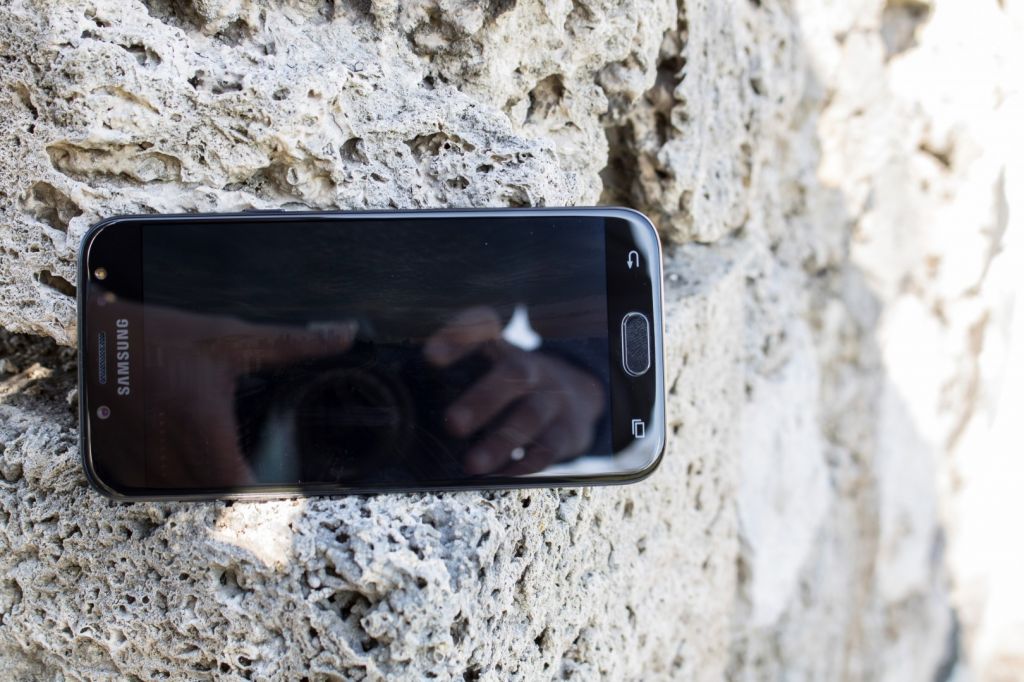
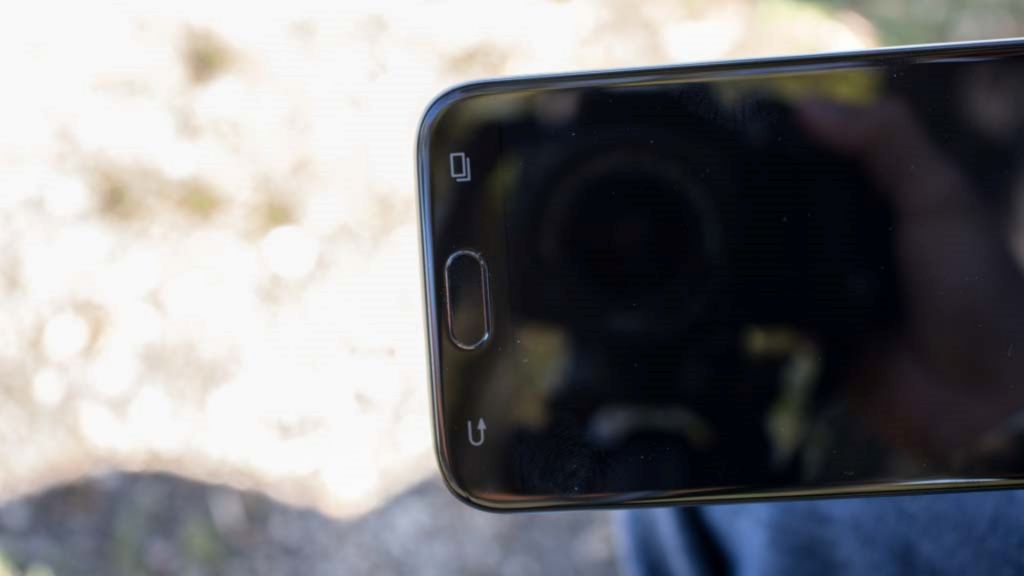
What is a great addition to the 2017’s edition of the J5 is the fingerprint scanner, which we didn’t have in the 2016’s model. It is implemented into the Home button which is its typical place in Samsung devices, and it works great!
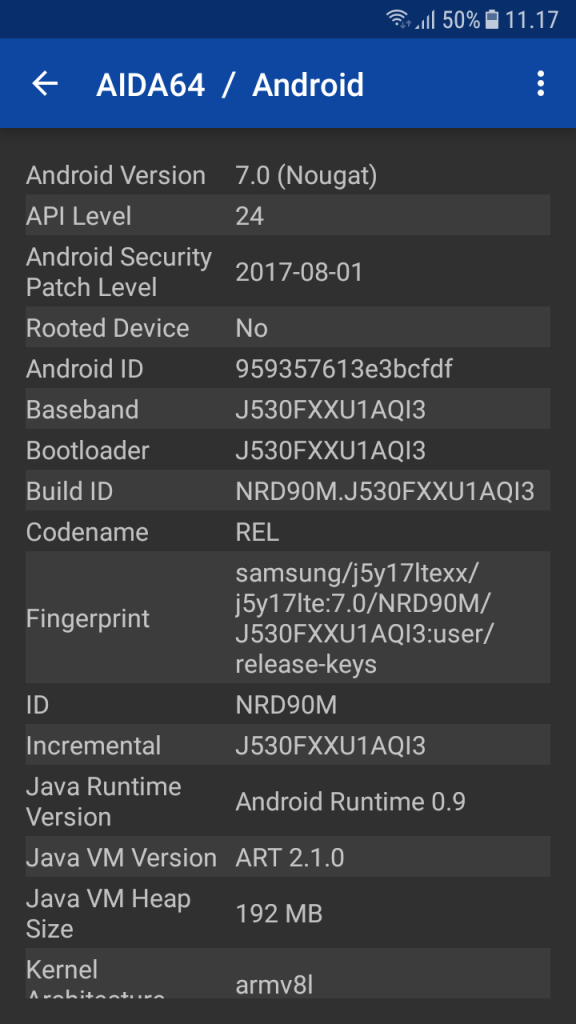
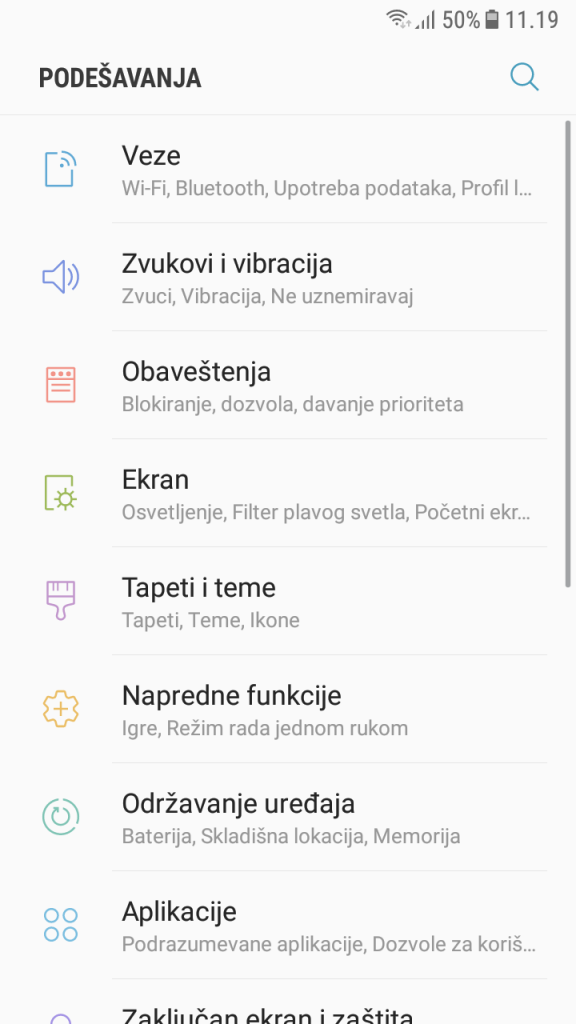
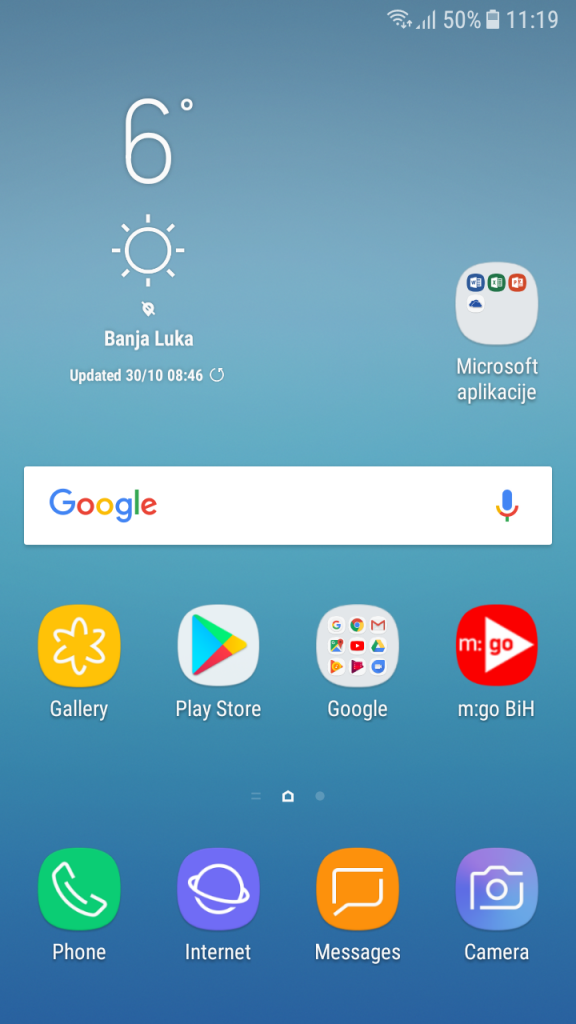
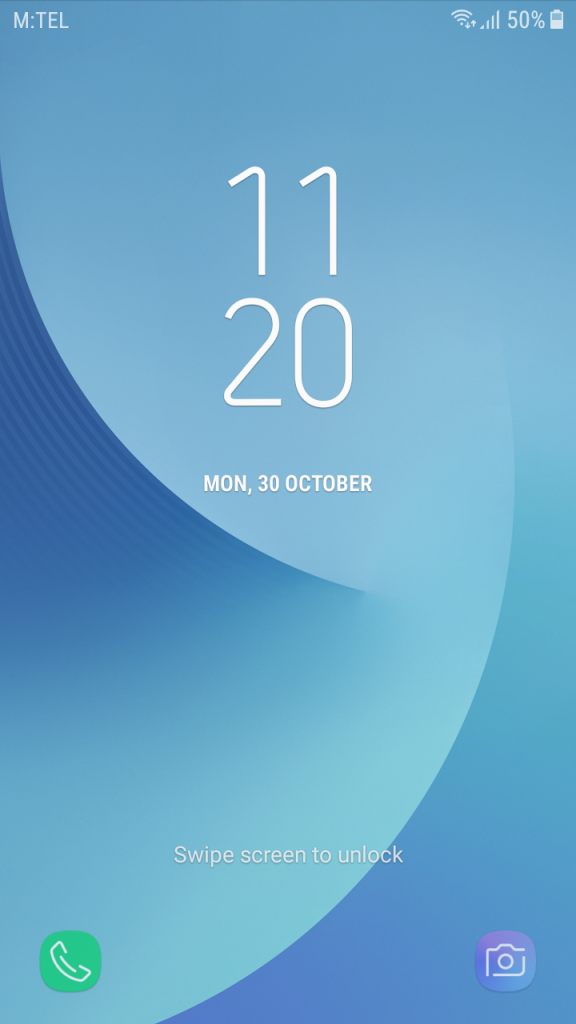
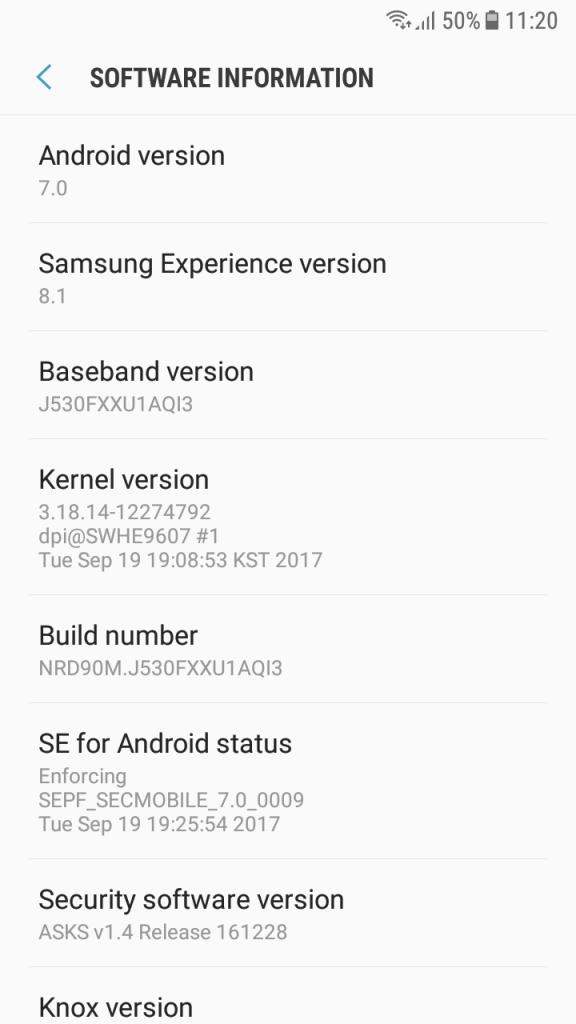
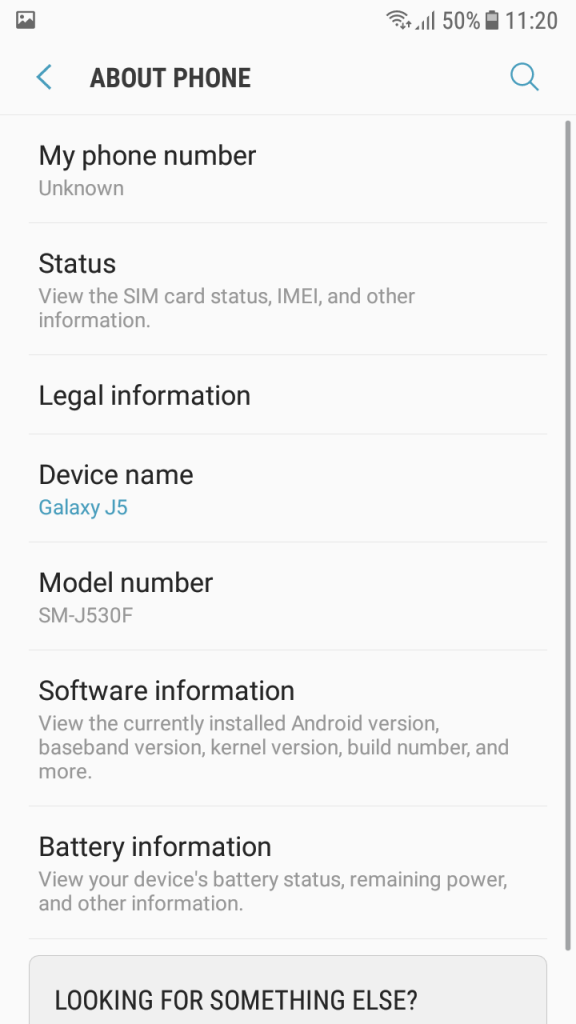
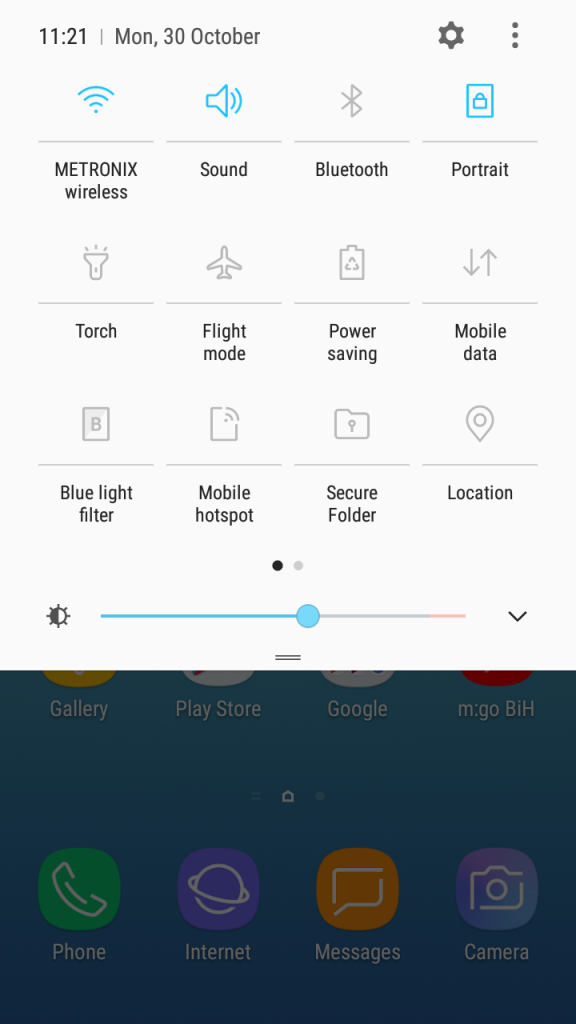
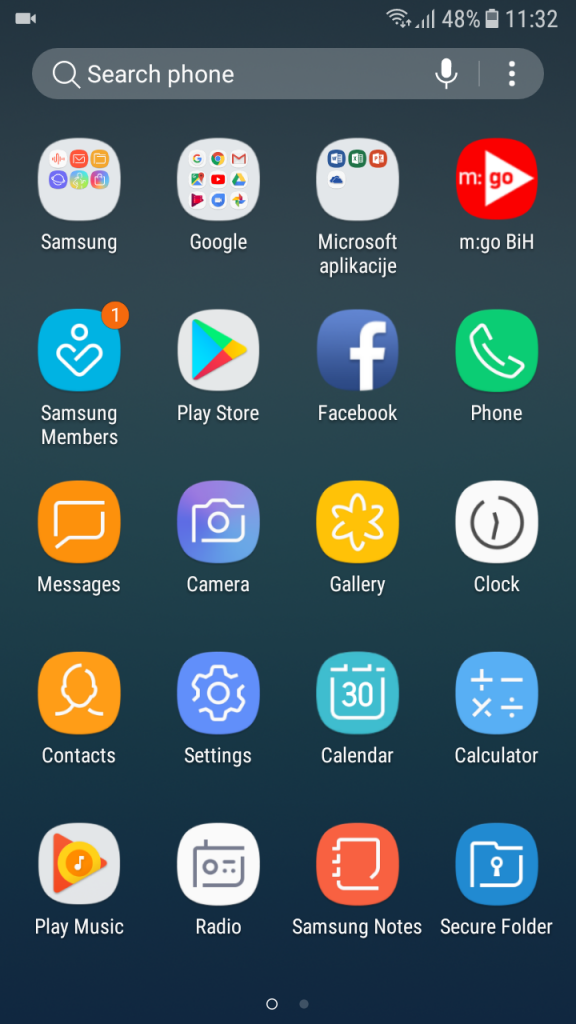
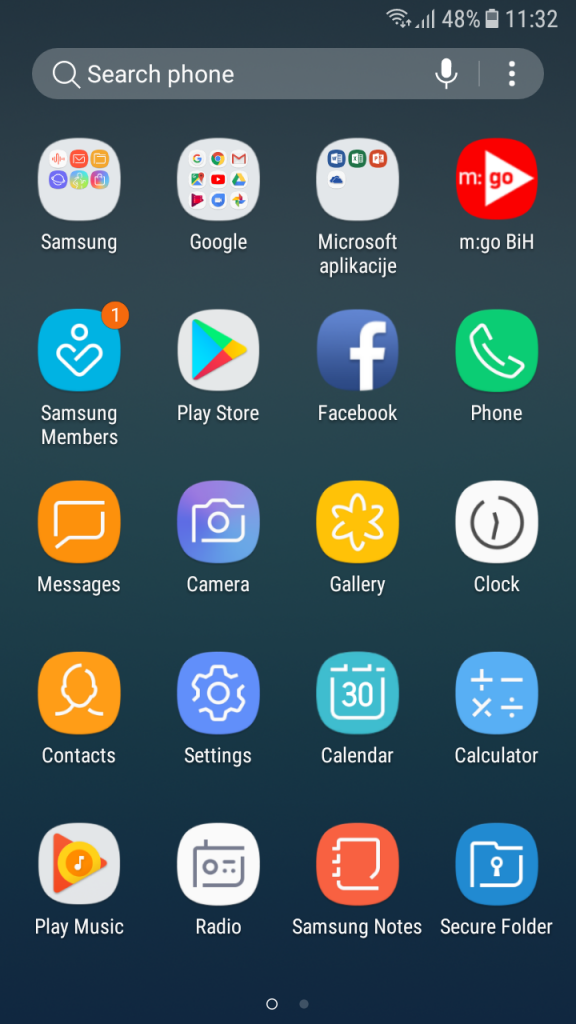
When it comes to software side of things, we have the Android 7.0 Nougat OS preinstalled on this device, which is supplemented by Samsung Experience 8.1 user interface. It is visually and functionally the same UI that we can find in Samsung flagships – the S8 and the Note8. Security patches are dated from August at the moment, and official upgrade to the Oreo OS is expected by the end of the year.

Camera
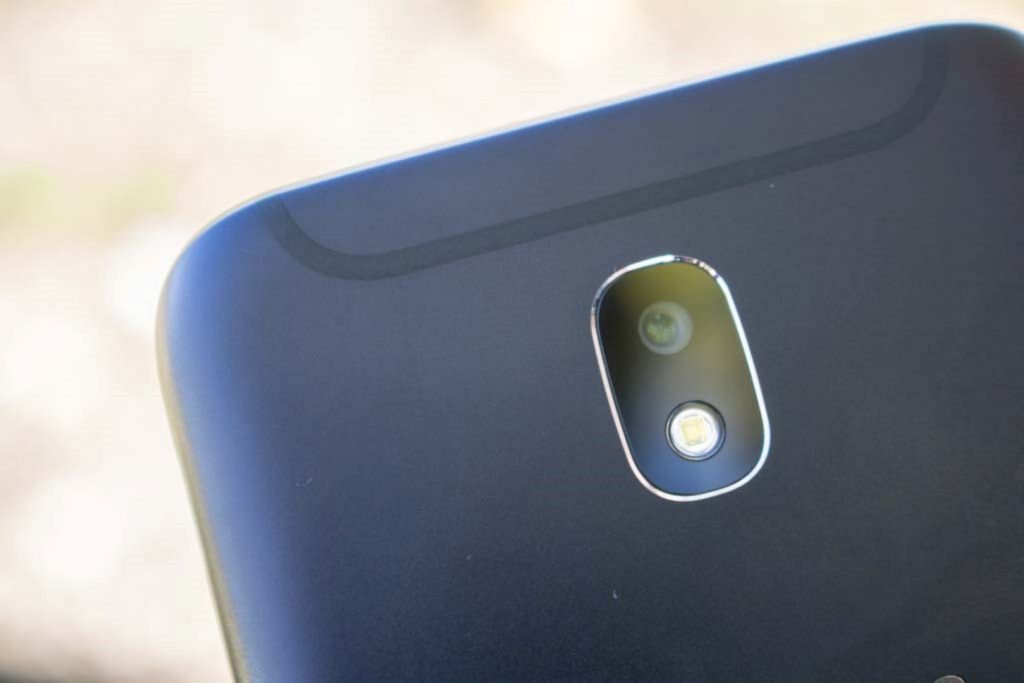
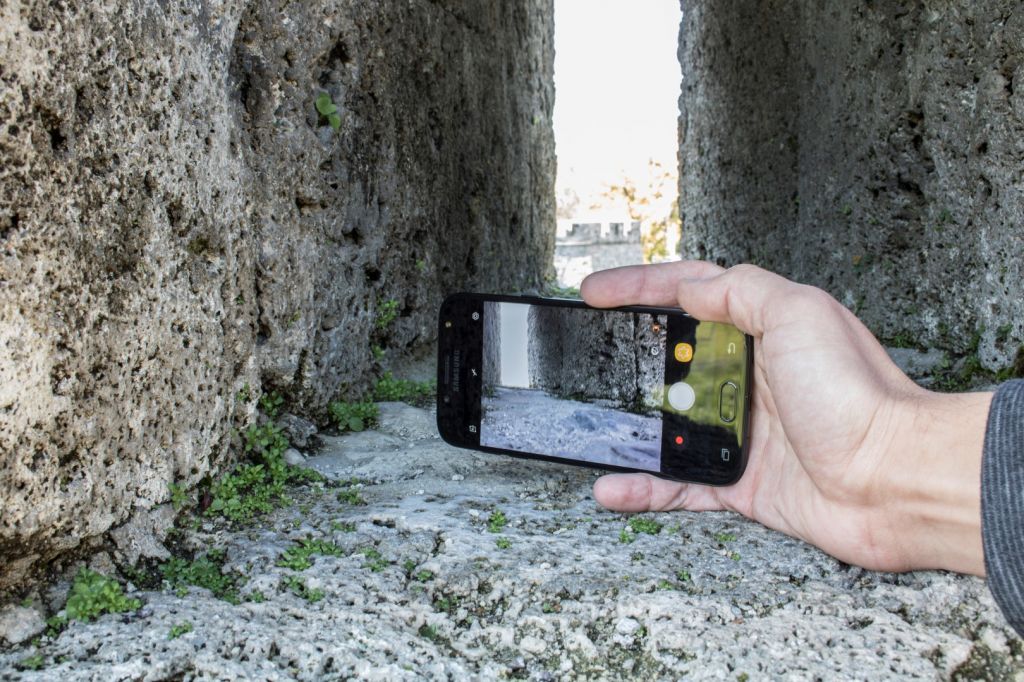
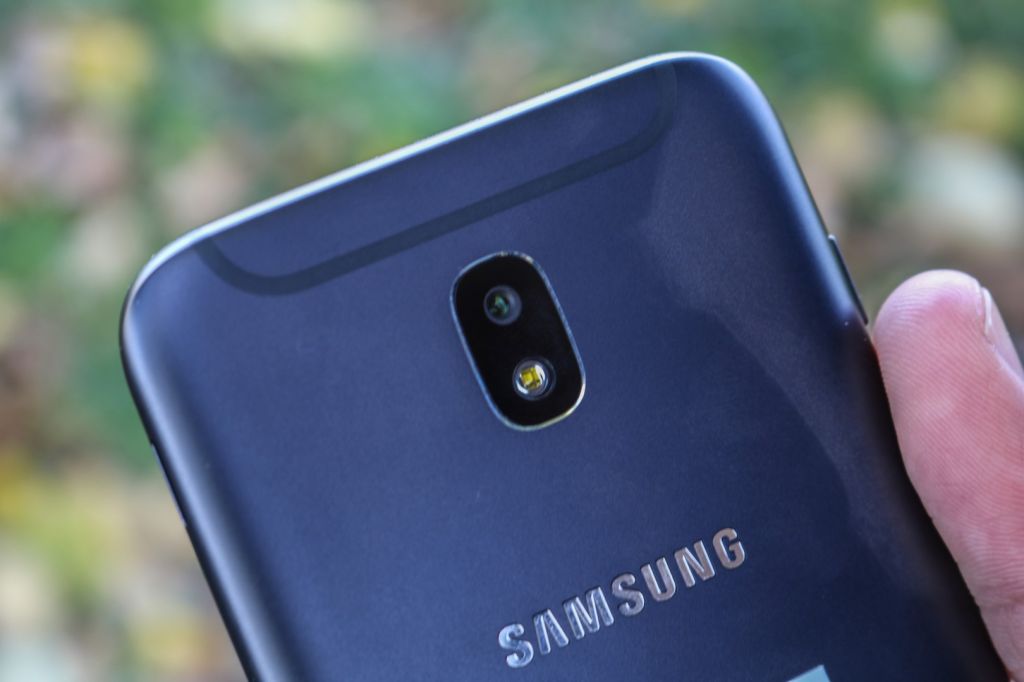
Camera has also seen an improvement. Although on the back we have the same 13MP resolution, this time we have a different sensor. The aperture is this time f/1.7, which will let more light reach the sensor compared to the last year’s model, which itself guarantees better results in low light shooting environments. The Auto-focus system is an integral part of every modern camera, and this time we have a very precise and fast Auto-focus system which secures pretty sharp and clear photos. Next to the classic camera option, there are also: Geo-tagging, Touch Focus, Face Detection, Panorama and HDR.

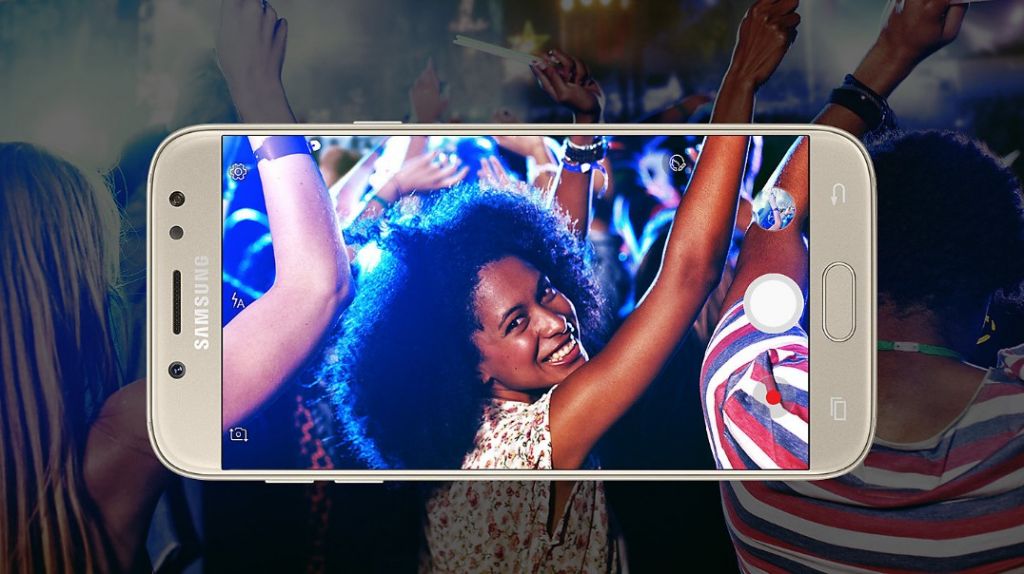
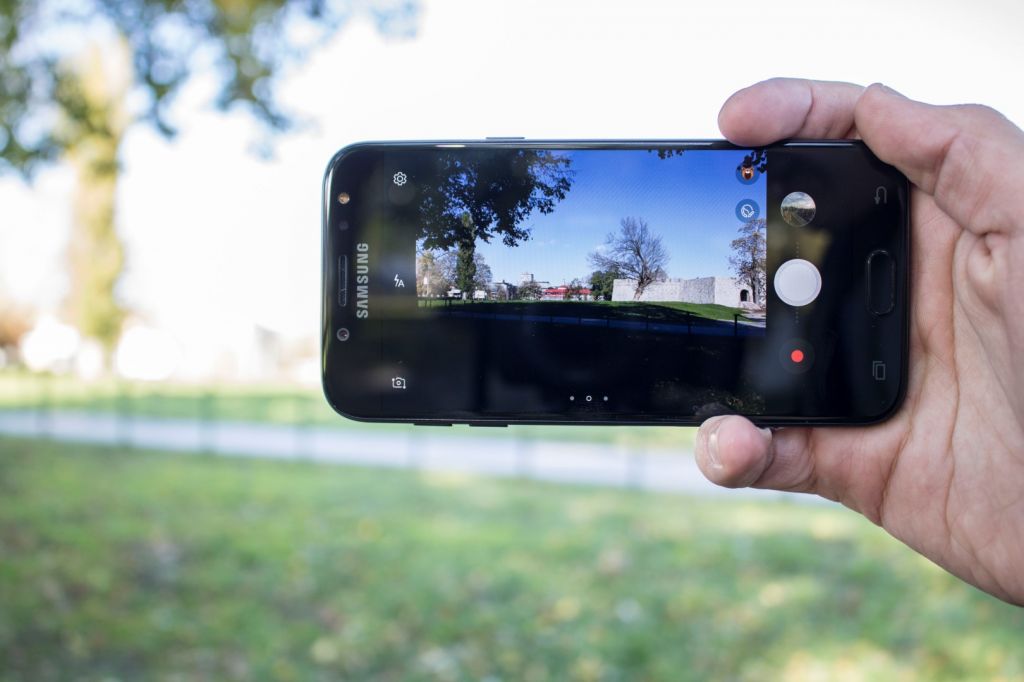
Speaking of the camera interface itself, we have the classic Samsung user interface which we could see in the S8. Navigation is simple, and the interface is generally highly intuitive. The rear facing camera really produces great photos. Colors are nicely reproduced, the level of details for the 13MP sensor is pretty good, while in-door photos do have slightly higher noise levels. All in all, the J5 (2017) provides similar, or even better results compared to all other devices in this class. Videos are captured in FullHD resolution at 30fps, which is decent, again considering the class. Details are very good, framerate is stable, but the colors could be a little bit better. Videos are captured in .MP4 format with stereo sound which deserves compliments, considering the fact that some far more expensive devices record mono sound (Apple, we’re looking at you!)

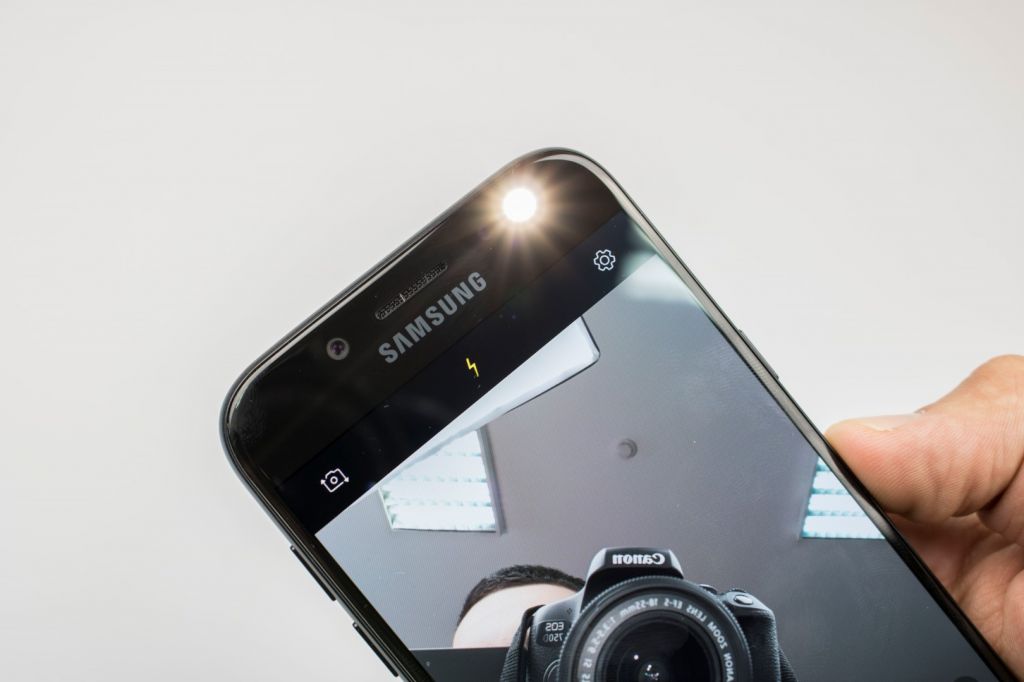
The front facing camera has seen an improvement resolution-wise as well. Last year we had a 5MP sensor backed with an LED flash, but this year the front facing camera has the amazing resolution of 13MP, again backed with an LED flash. The aperture is f/1.9 so the night time photos will be of decent quality. Day time photos have a decent level of details, with nicely managed noise levels. Dynamic range is sadly not the best attribute of the front facing camera sensor. This camera records videos in FullHD 1080p resolution, and the results are only average. What would round up the whole story of the front facing camera is the Auto-Focus system that we’ve had a chance to see in the Nokia 3 for example, which is a far cheaper device.
Connectivity
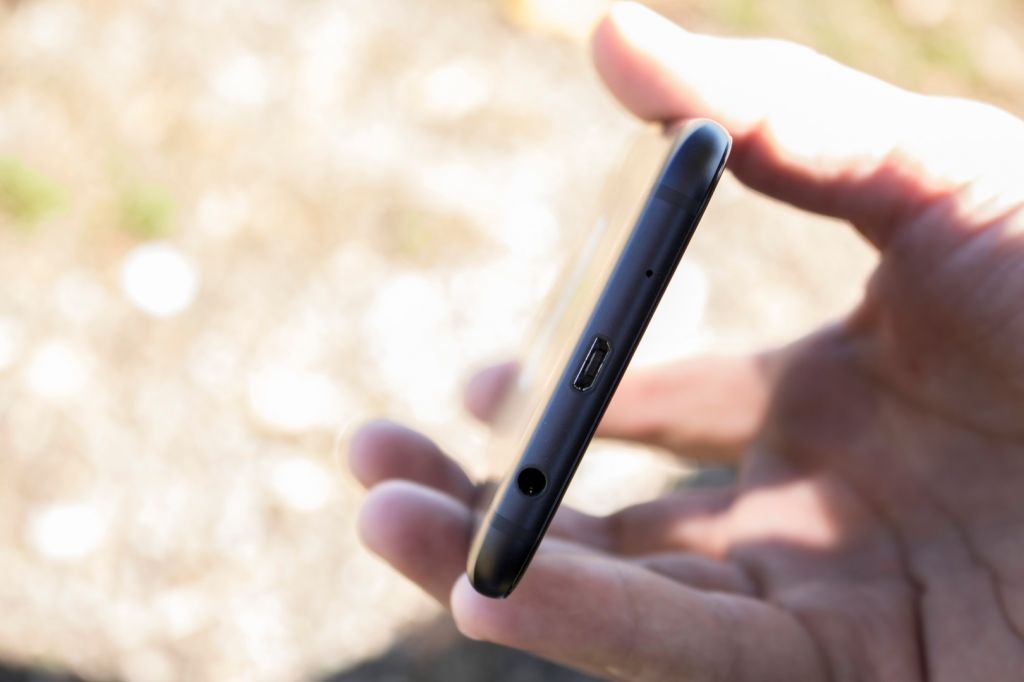
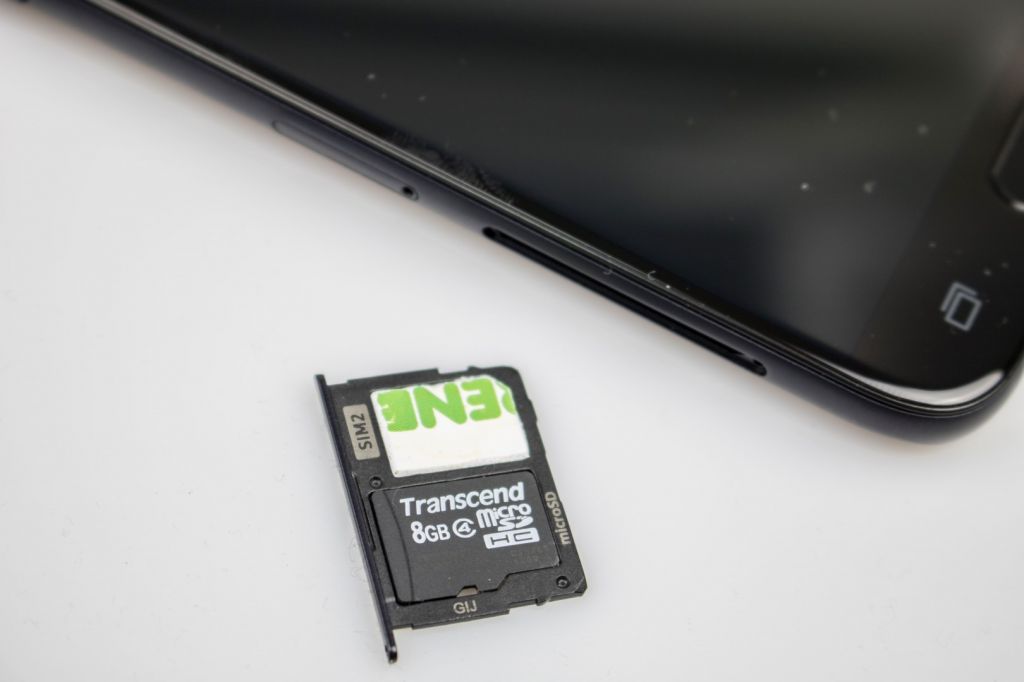
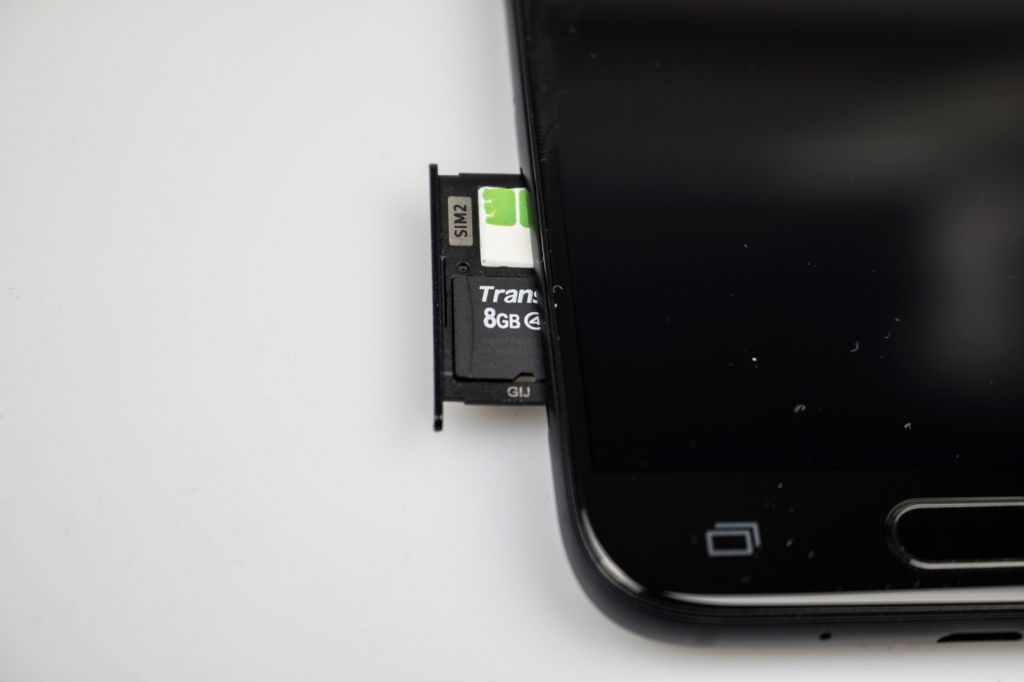
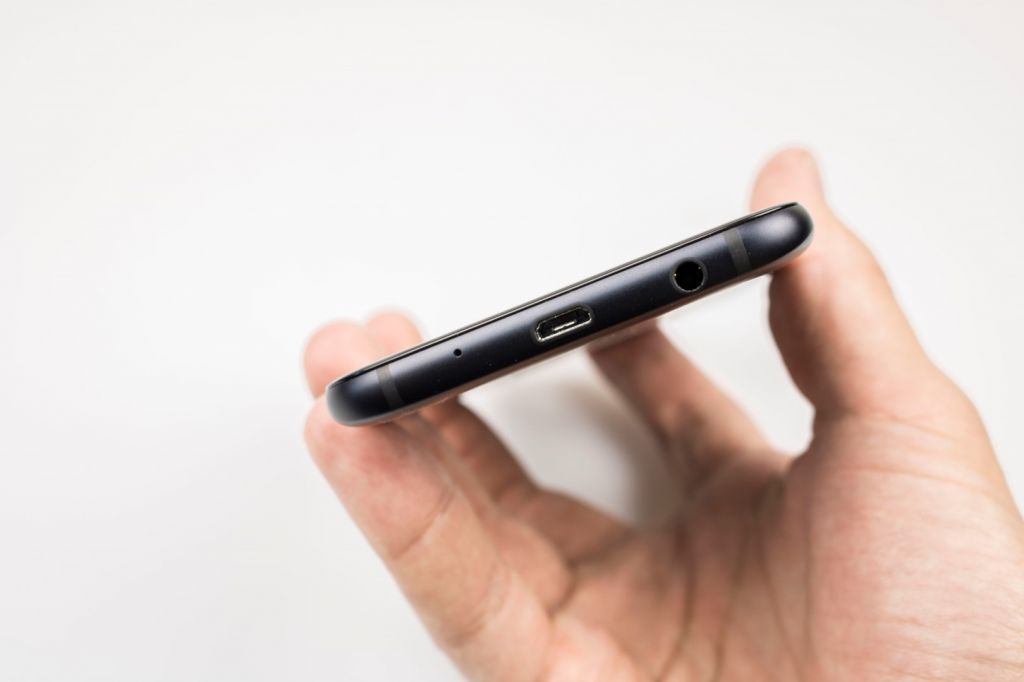
Today we’re testing the SM-J530F/DS which implies that this is a DualSIM device, and next to this version there is also a SS (SingleSIM) version. We have a hybrid slot where we can use a microSD card, but we’d need to sacrifice one nanoSIM card slot. Both slots are nanoSIM slots. Samsung opted for the classic microUSB port for their 2017 J series. The 3.5mm headphone port is also here, which we definitely supports.
Speaking of wireless connections, we have:
- WiFi 802.11 a/b/g/n/ac with HotSpot mode
- Bluetooth 4.1 with A2DP profile
- A-GPS
- FM Radio
- NFC
- 2G GSM: 850 / 900 / 1800 / 1900 MHz
- 3G UMTS: 850 / 900 / 1700 / 1900 / 2100 MHz
- 4G LTE: 800 / 850 / 900 / 1800 / 2100 / 2300 / 2600 MHz
Battery
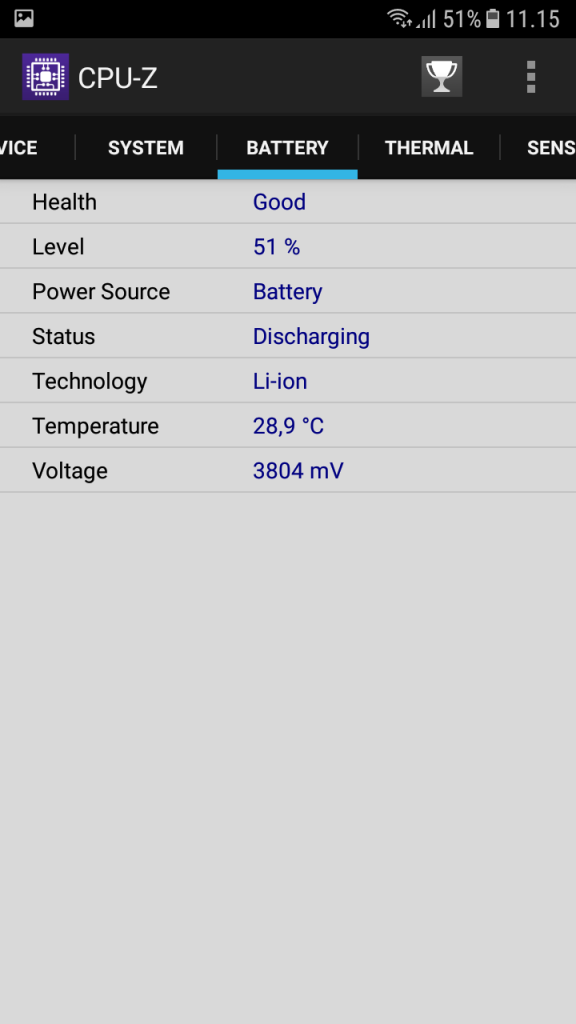
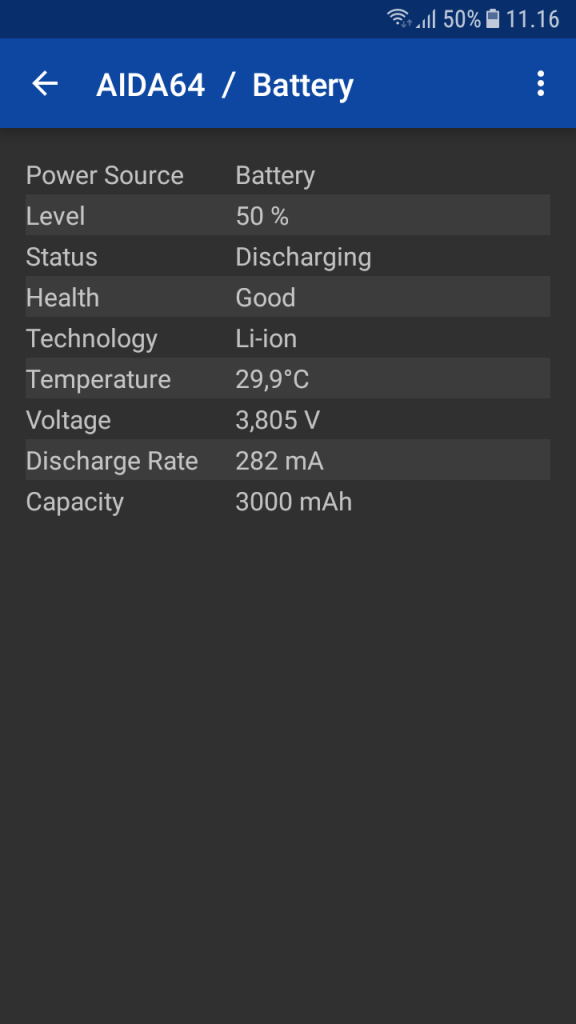
This year we lost one of the options, and that is the ability to remove the battery without visiting a professional. Although we don’t have this ability, the J5 (2017) seems like a more durable and better device. We have a Lithium-Ion battery with the capacity of 3000 mAh. This is a very good thing, and if you take into account very highly energy efficient chipset, the battery should, according to the manufacturer, last around 21 hours of talking time in 3G network, or around 83 hours of music reproduction. Pretty good results! The thing that’s missing is fast charging, and because of it, the charging could last up to 2 hours.
Final words
The lower middle class got another serious contender in the race towards the very top. Build quality, good display and a very good camera setup, all make the J5 (2017) a very interesting choice. The thing that we’d consider a downside of this device is definitely the base version with only 16GB of storage, which will, over time, definitely become a choking point. We can also forgive Samsung for not implementing fast charging in this device, and the AlwaysOn display would also represent a nice touch. Since this device is very popular, many mobile operators have it in their offer, which makes the cost drop significantly, and this is another big advantage. All in all, this is a very good device considering the price range which will definitely satisfy an average user, and we’re sure that even the more advanced users won’t have any huge problems with this device.
Do you like the new Samsung device for the lower middle class? We’d like to see your opinion in the comment section below. If you have any ideas or you would like to see a specific device being reviewed soon, feel free to let us know here or on our Facebook page. If you liked this review, subscribe to our Youtube channel, like us on Facebook, and sit back and relax while we make more of the same for you.
Samsung Galaxy J5 (2017) Full Specifications