Introduction
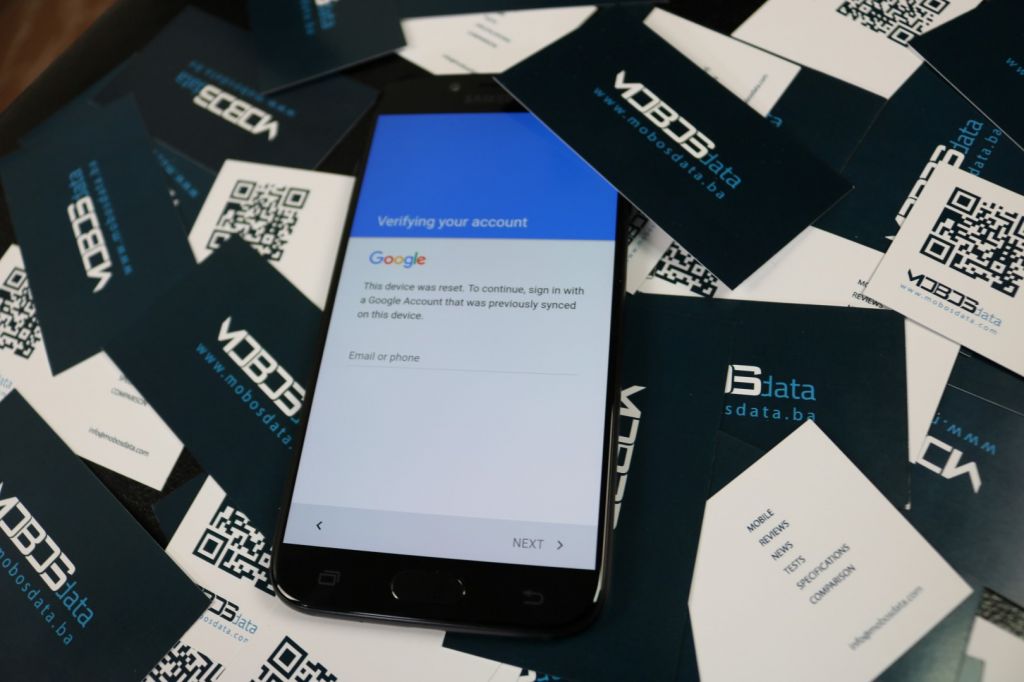
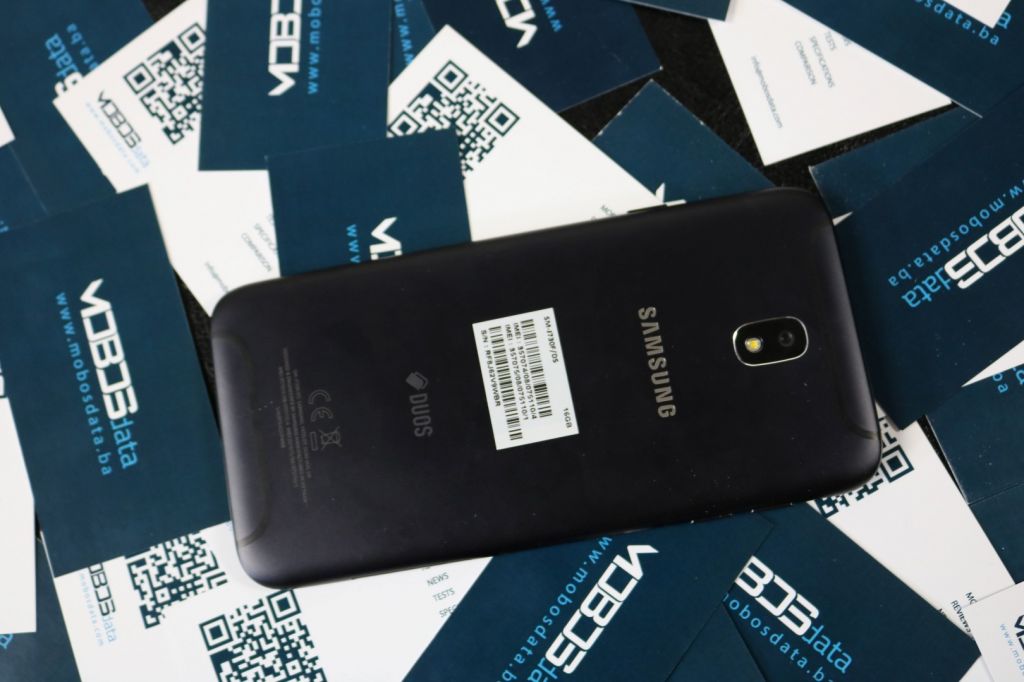
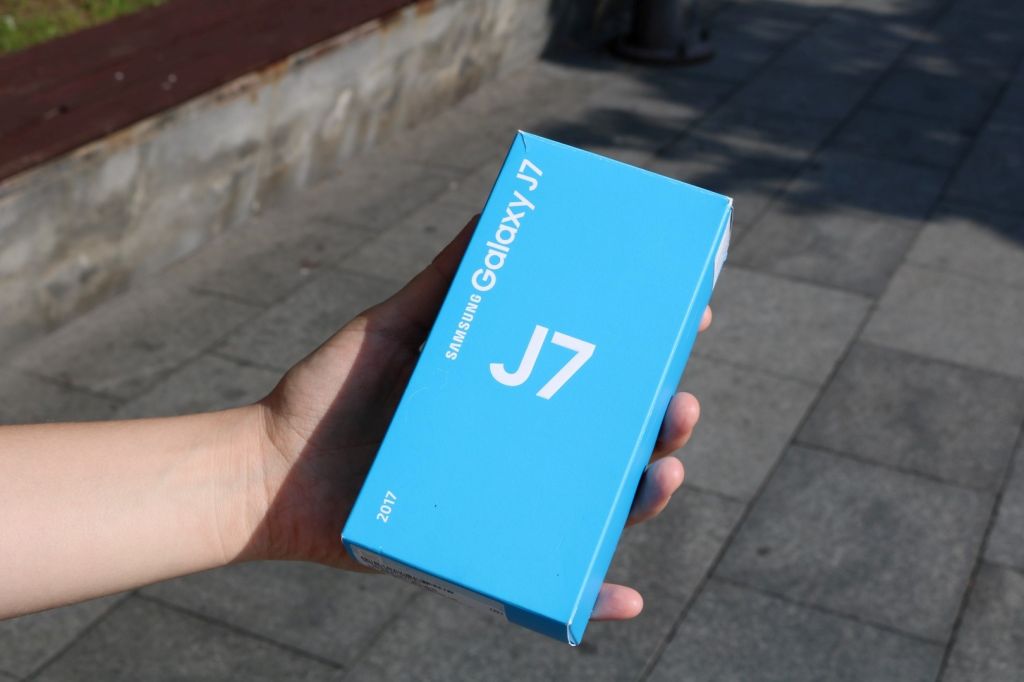
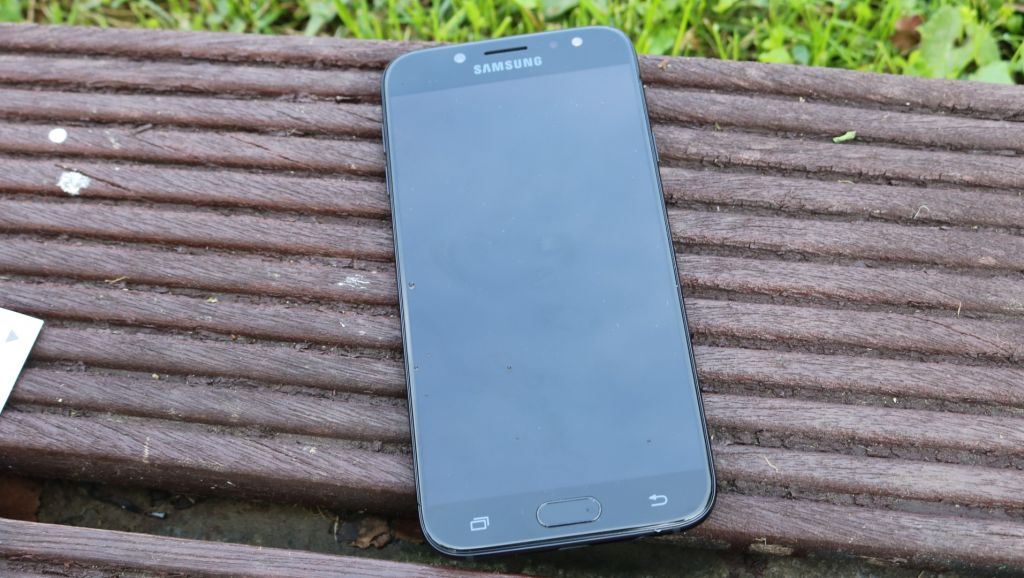
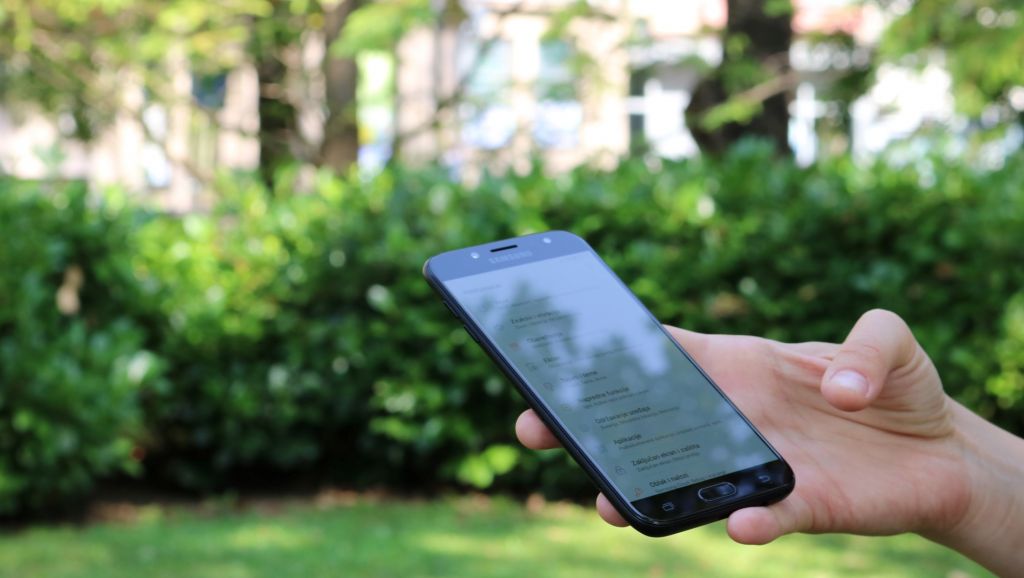
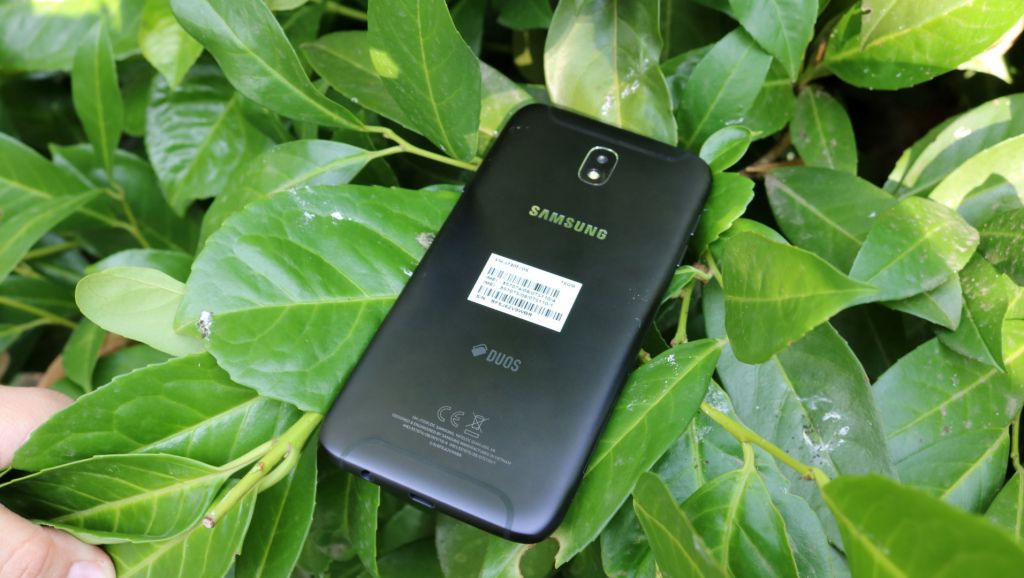
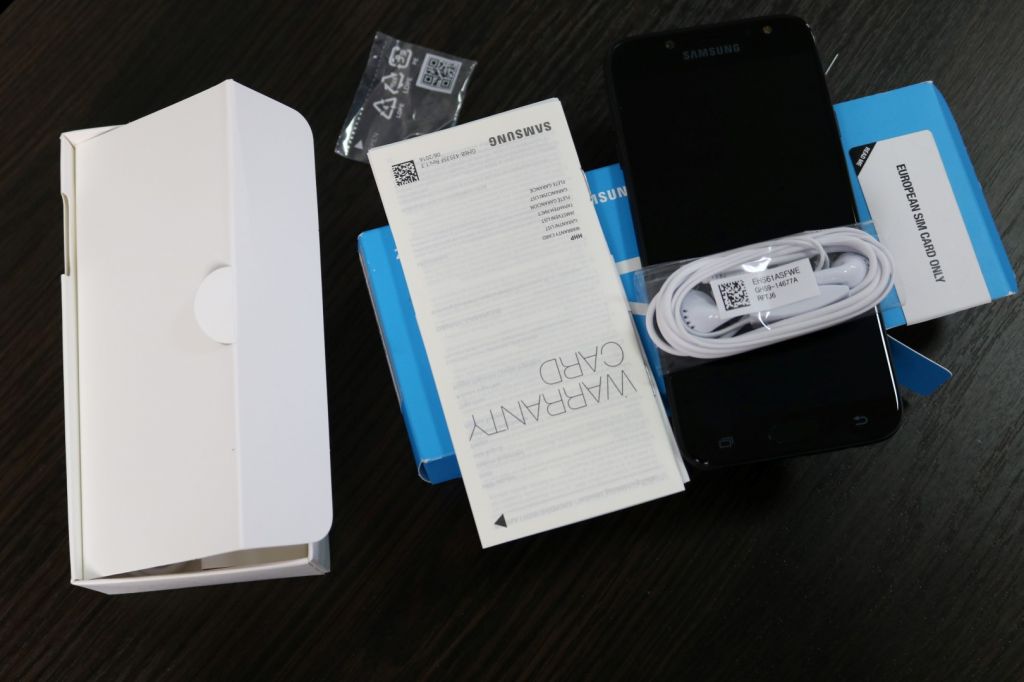
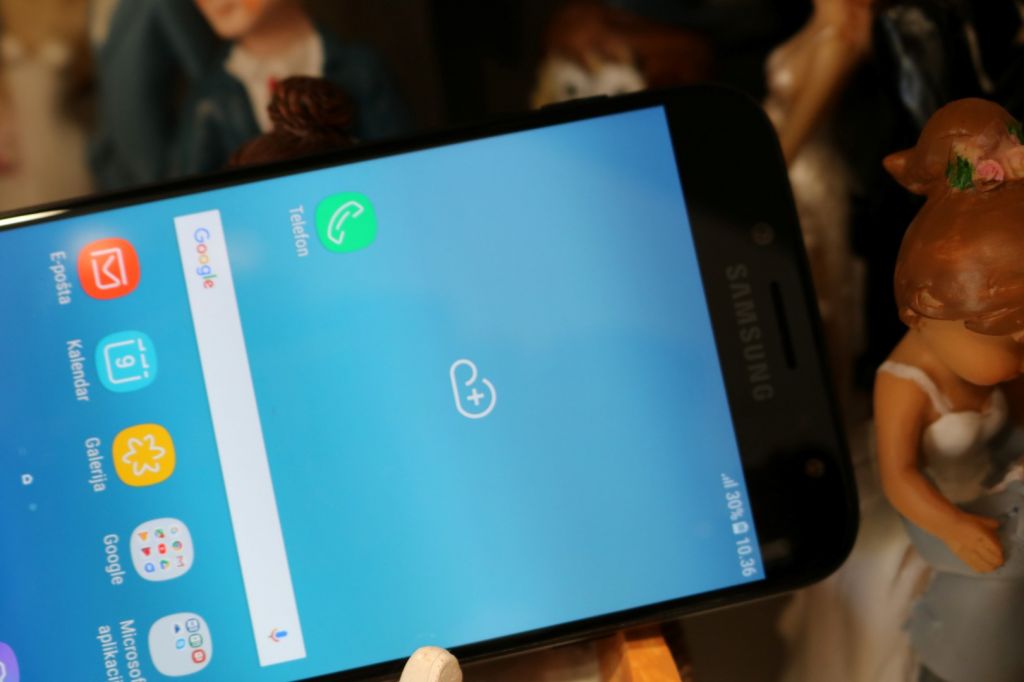
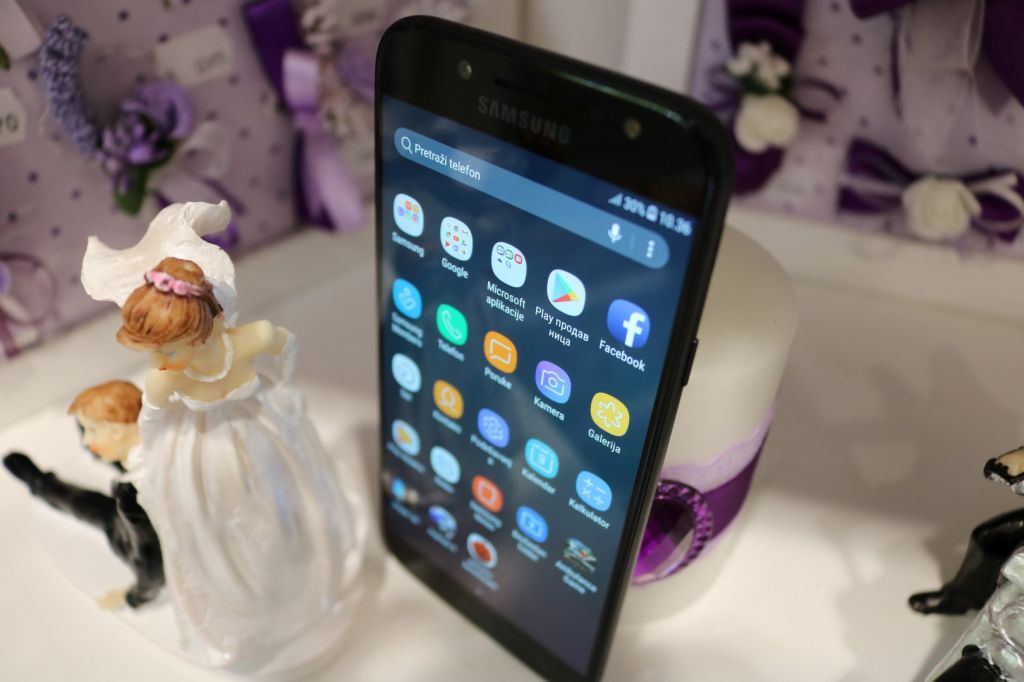
When we speak about the middle class, we cannot but to think about the Samsung’s “J” series. This is the series that stepped into the market in 2015, and it gained huge popularity with its great design, decent performances and Super AMOLED displays. It provided something for everyone: J3 was meant for users who appreciated smaller devices, J5 was the middle ground, and the J7 was for users who wanted a big display with the best performances the J series had to offer. Today we bring you the J7 (2017), the top notch “J” series product for 2017. The device we have for our review has the codename J730F/DS which means that this is a DualSIM device meant for European market, and which uses nanoSIM cards. The design is flawless! Chassis made of metal, with very thin side bezels simply looks excellent. The device sits in the hand very nicely. It is not waterproof, but the build quality really is trustworthy. For our test we have the Black color option, but besides black, there are also: Pink, Blue and Gold. Inside the factory box, Samsung has included: the Samsung charging adapter, a microUSB cable, headphones, a SIM tray tool and some paperwork. However, no device is perfect, so let’s take a look together what the downsides of the J7 (2017) are, and in which areas it really shines.
Video review
Unboxing
Display
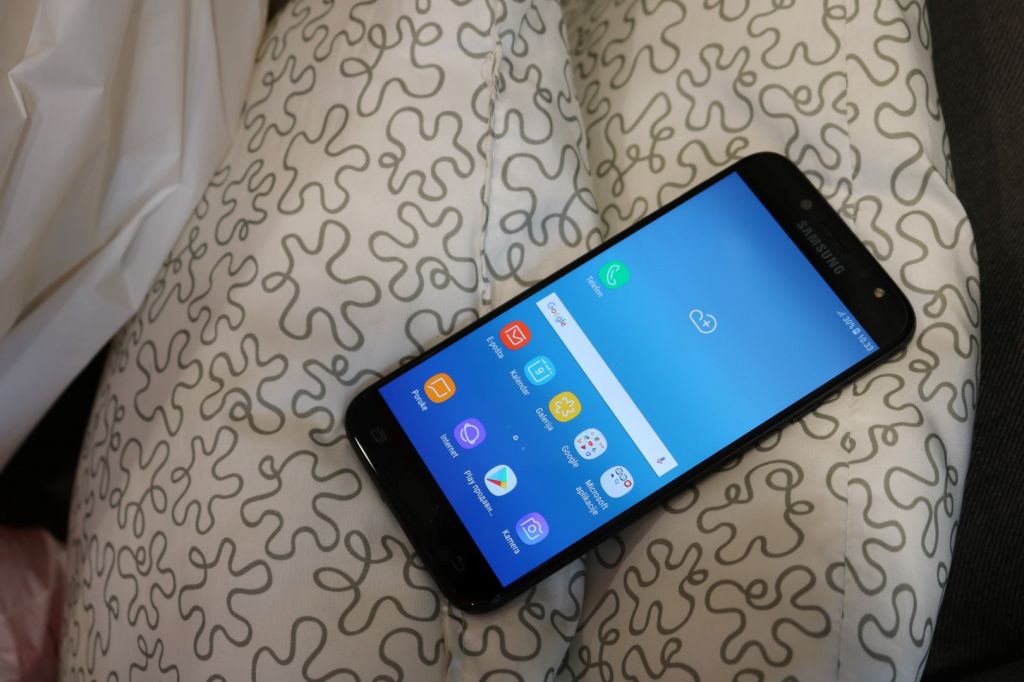
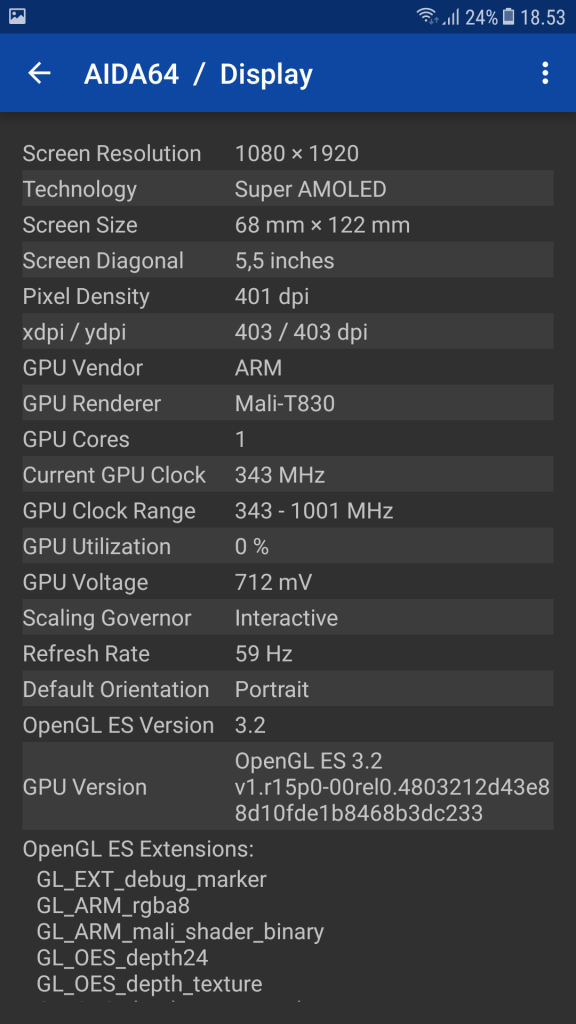
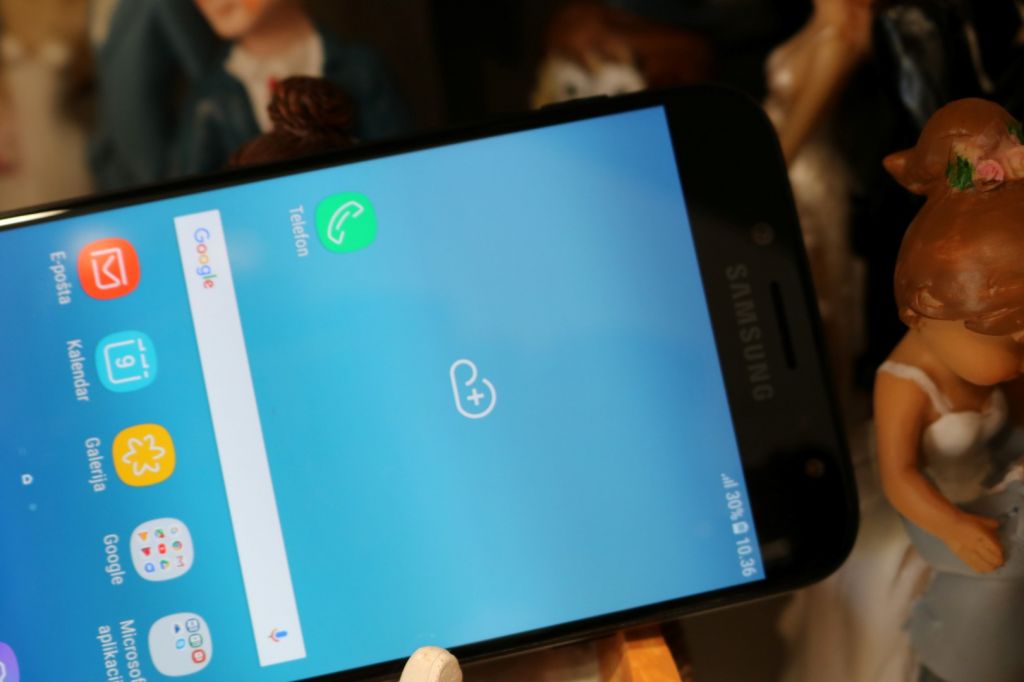
The thing that represents one of the key selling points, and the best features of the Galaxy J7 (2017) is its amazing display. It is a 5.5” Super AMOLED display, which Samsung has really perfected. This year the panel is mostly the same as in the last year’s model, with one big difference – this time it is in FullHD resolution. A 5.5” panel combined with 1080p FullHD resolution translates to stunning 401 PPI. The image is crystal clear, the sharpness is excellent, and the J7 really sets the standards in this class regarding the visibility on the sunlight. Provided that this is the Super AMOLED panel, the colors are pretty saturated and vivid. It can show up to 16 million colors. When it comes the protection of the panel, Corning Gorilla Glass 4 is used here. The J7 (2017) also has the AlwaysOn display function.
Hardware and OS
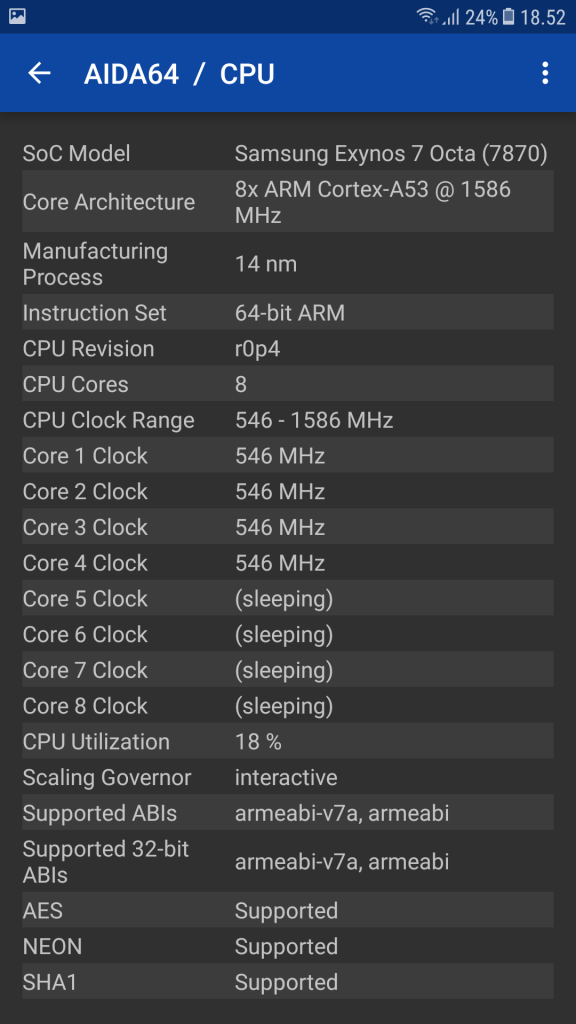
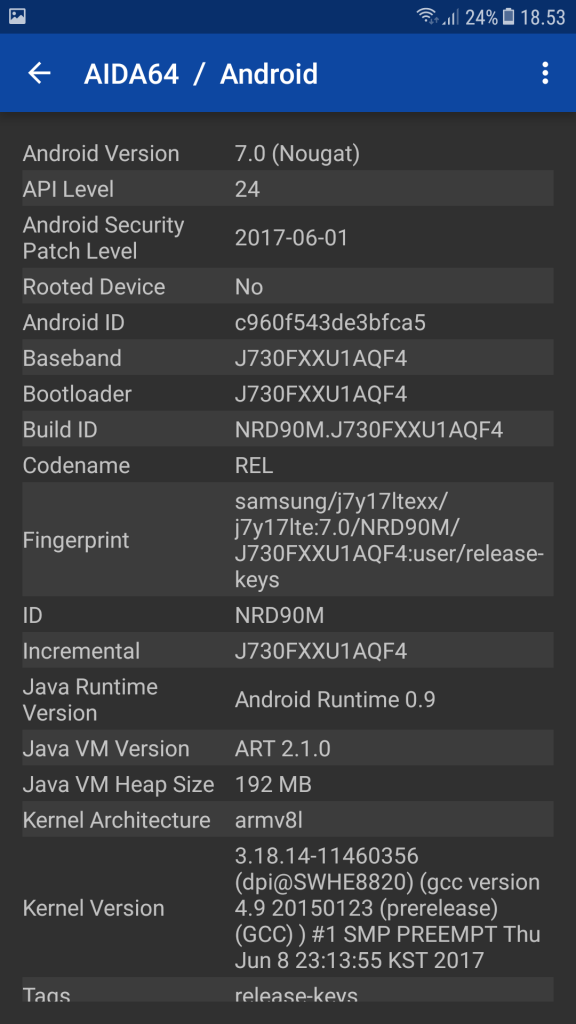
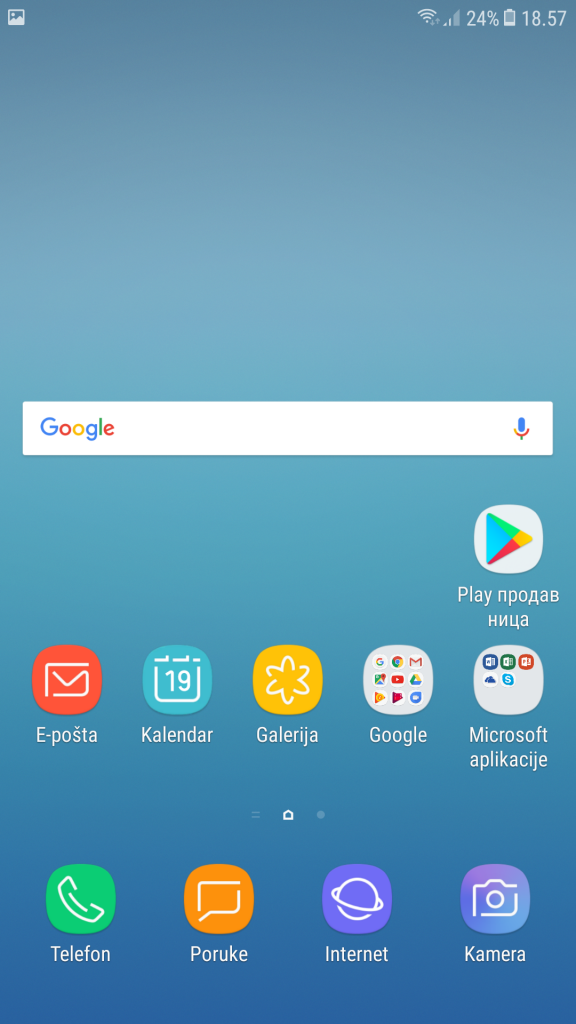
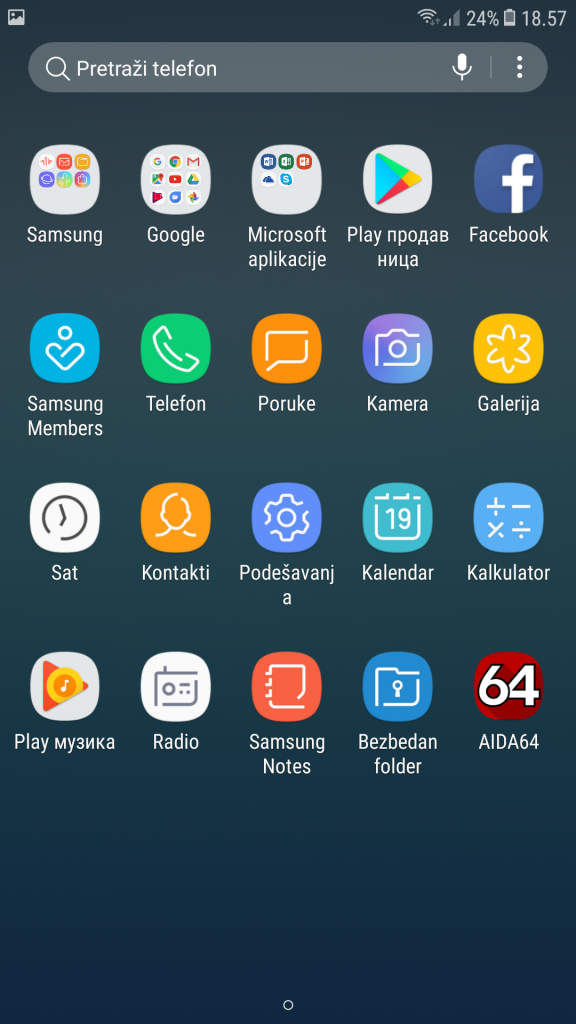
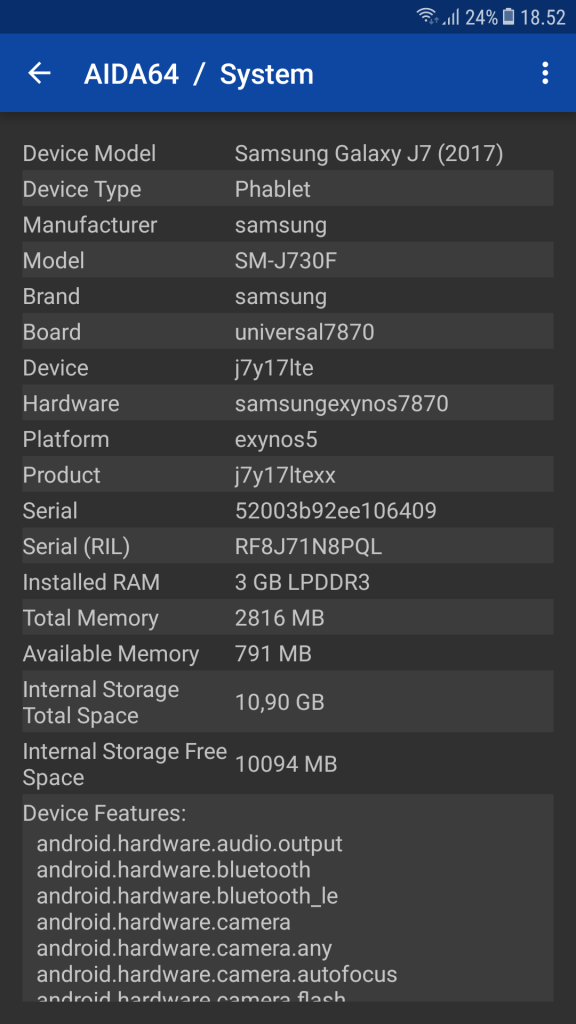
Although the screen had a significant improvement regarding the resolution, the thing that somehow missed all improvements is the chipset. We still have the Exynos 7870 chipset which is a 14nm processor. We’re not saying that this is a bad choice, but why not improve the J7 (2017) compared to the 2016’s edition in this field as well? The CPU is consisted of 8 64bit Cortex-A53 cores clocked at 1.6 GHz. Mali-T830 GPU is in charge of powering those millions of pixels. Multitasking is supported with 3GB of DDR3 RAM, while there are 16GB of storage memory. The thing that is definitely a plus is that the microSD card slot it physically separated from the SIM card slot, so you don’t depend on how many SIM cards you have installed. This device showed fluent work, everything is very quick, and it even showed great performances during playing more demanding games. Overheating is within normal limits, so the device doesn’t drain the battery too much due to “thermal throttling”. Social applications such as Viber, Instagram and Facebook are quite easily executed by the J7 (2017). An excellent addition regarding hardware is definitely the fingerprint scanner which is built into the Home button on the front of the device, and it works – perfectly. The J7 (2017) runs on Android 7.0 Nougat firmware which has been modified by Samsung. The UI looks very nice, it is highly intuitive, Samsung calls it GraceUX and it operates on all Samsung devices which run on Android 7.0 or newer versions. The update to 8.0 Oreo is definitely recommended, but you’ll have to wait a little bit, since Oreo has just now been released for Pixel devices.
Camera
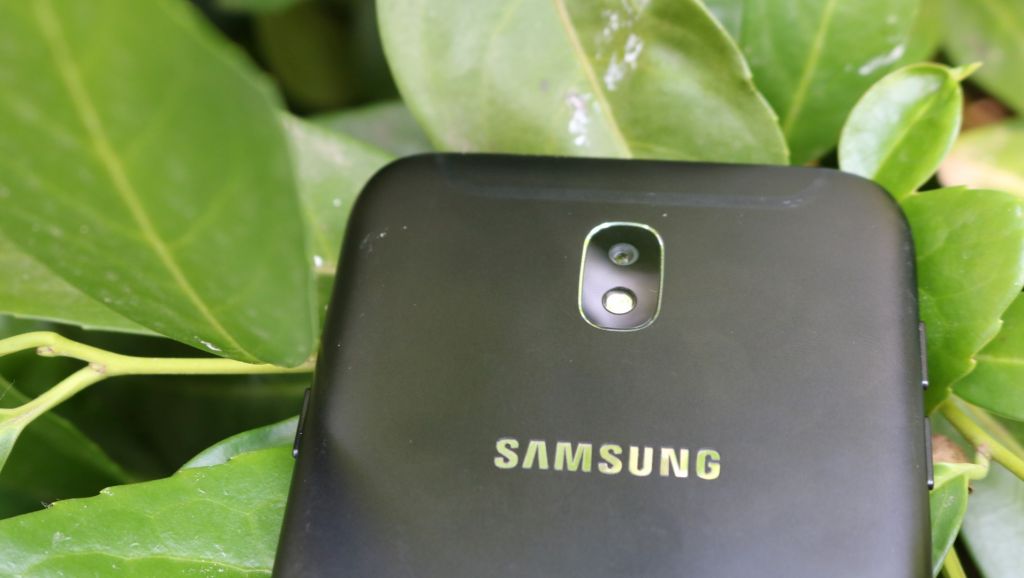
Cameras have also seen some improvements! On the rear, this time we can find a 13MP sensor, but with a bigger aperture, which is now f/1.7. For low light shooting conditions there is an LED flash which is located just below the main camera sensor. It is the very well-known Sony IMX258 sensor which we’ve seen in other manufacturers’ products as well, and which even found its place in the LG G6 flagship. The J7 still didn’t get optical image stabilization, as it still remains reserved for more expensive phones. The rear facing camera can be started by double pressing the Home button. This device takes quite nice photos. Colors are well reproduced, and the noise level is on a satisfactory level. One thing that we’ve noticed, however, is that the photos can be a little bit blurry near the edges. HDR mode is supported, but the device doesn’t support auto HDR. 4K video is not supported, but to be perfectly honest, we didn’t really expect it all in the “J” series, since even the more expensive “A” series for 2017 hadn’t been 4K compatible. The front facing camera was overhauled, and it now has a 13MP sensor with f/1.9 aperture. It is also supported with an LED flash for low light shooting conditions. It isn’t equipped with the auto-focus system, but this is supplemented with the well-adjusted focal length. Night photos are great thanks to big aperture and the LED flash. It also captures videos in FullHD 1080p resolution.
Connectivity
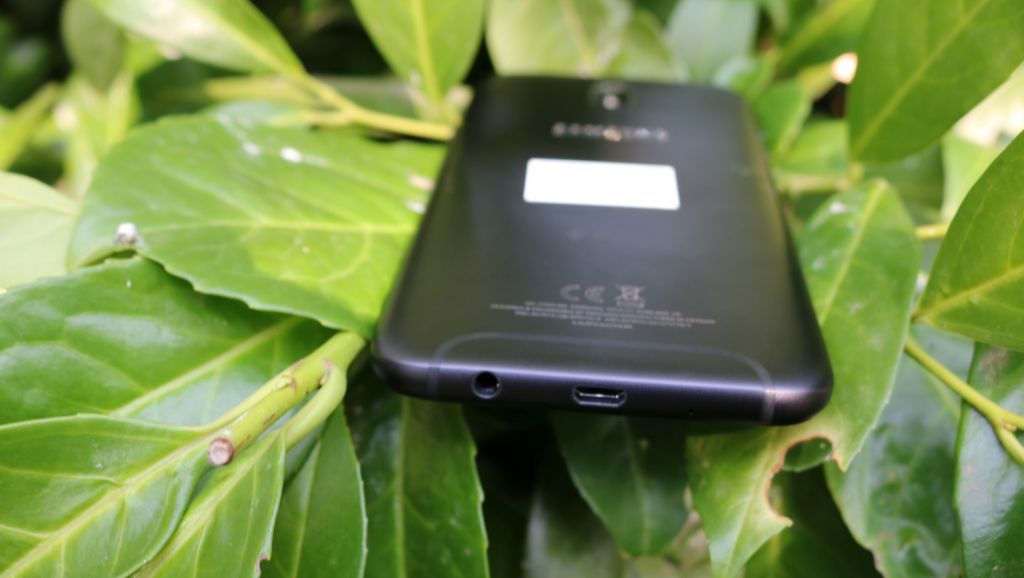
As we have said, the J7 (2017) has a DualSIM tray which is separated from the microSD card slot. The device supports two nanoSIM cards, and it, of course, supports 4G networks. MicroUSB port is used for charging and data transfer, but at this time it seems a little obsolete. Speaking of wireless connections we have:
- WiFi 802.11 a/b/g/n/ac with hotspot mode
- NFC
- Bluetooth 4.1
- A-GPS
Supported network frequencies for the J730F/DS are:
2G: 850 / 900 / 1800 / 1900 MHz
3G: 850 / 900 / 1900 / 2100 MHz
4G: 800 / 850 / 900 / 1800 / 2100 / 2600 MHz
Battery
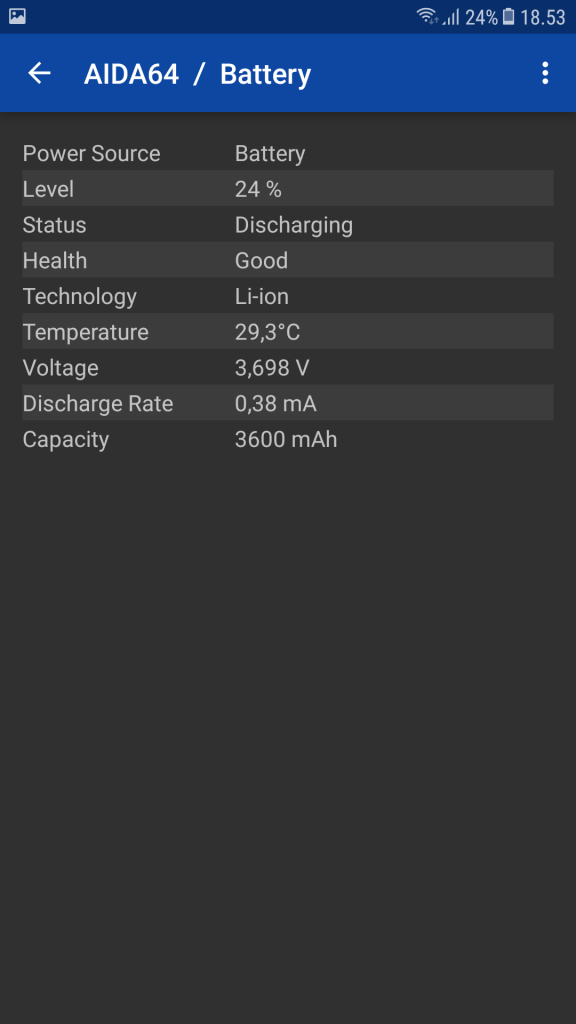
The J7 (2017) has a bigger battery compared to the last year’s model, and this time it is a non-removable lithium-ion battery with the capacity of 3600 mAh. Samsung states that one full charge can bring around 24h talking time using 3G networks, or around 91h of music reproduction. This device does not support fast charging which would be a nice addition, but same as the OIS, it remains reserved for the higher class.
Final words
The J7 (2017) definitely provides a premium feel to the middle class. It is a very elegant device with more than just decent specifications with an amazing FullHD 5.5” display. The thing that is missing, and that could make this device complete, is the Type-C connector and fast charging. The display, which was great last year, got a better resolution, but the chipset has remained the same. Also, this device is still not waterproof. With the price of around 300€ it steps deep into the budget phone market, and taking into account that some Chinese manufacturers have stepped up their game, perhaps some Xiaomi alternative could offer even more in this price range. However, those who are still not confident buying phones from unknown manufacturers, and who want to have regular system updates, the J7 (2017) is a device for you.
Do you like the Samsung Galaxy J7 (2017)? We’d like to see your opinion in the comment section below. If you have any ideas or you would like to see a specific device being reviewed soon, feel free to let us know here or on our Facebook page. If you liked this review, subscribe to our Youtube channel, like us on Facebook, and sit back and relax while we make more of the same for you.
Samsung Galaxy J7 (2017) Full Specifications