


Introduction
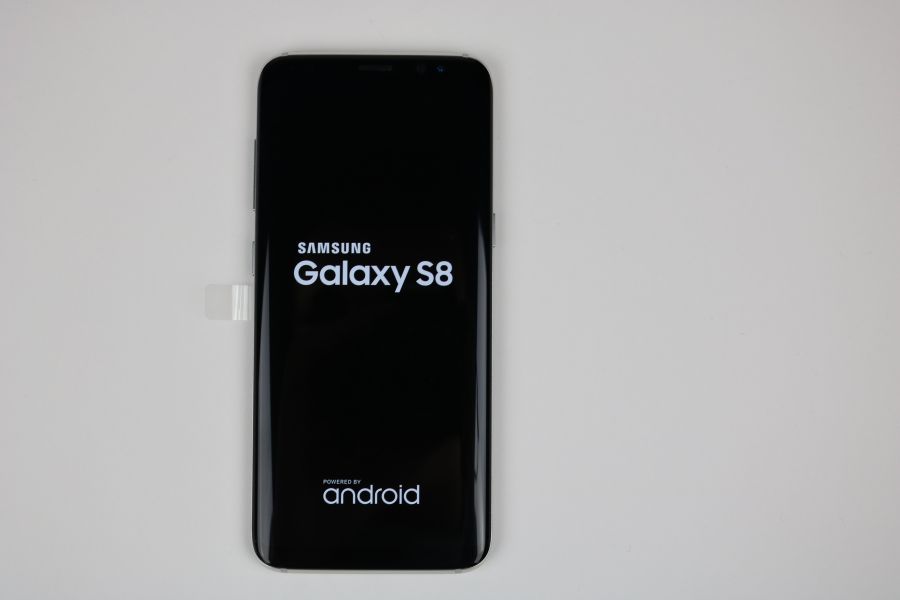
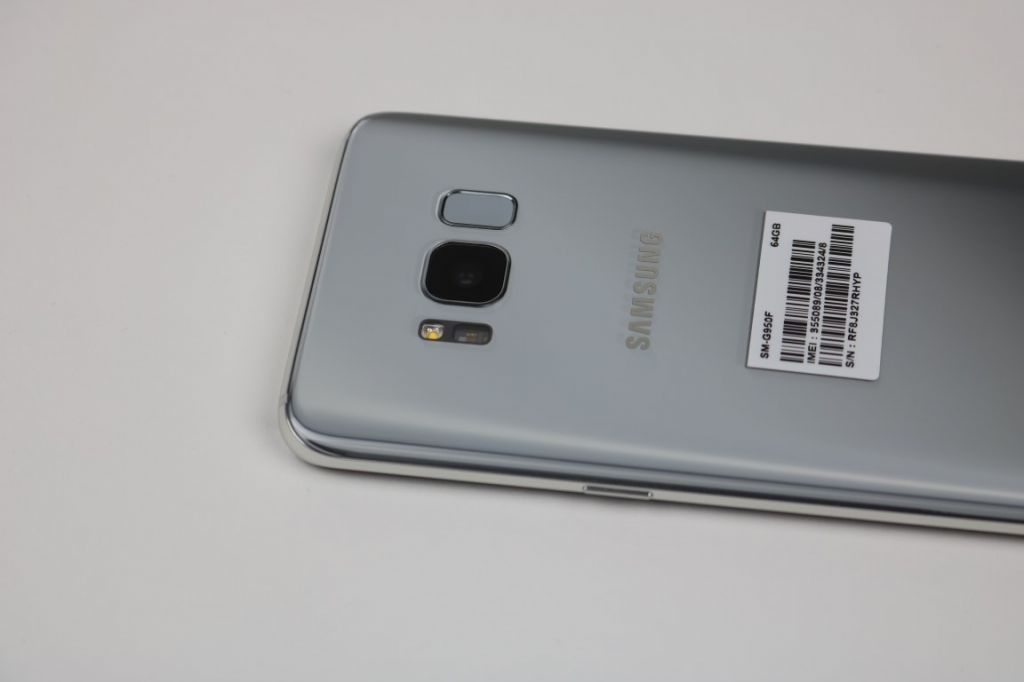
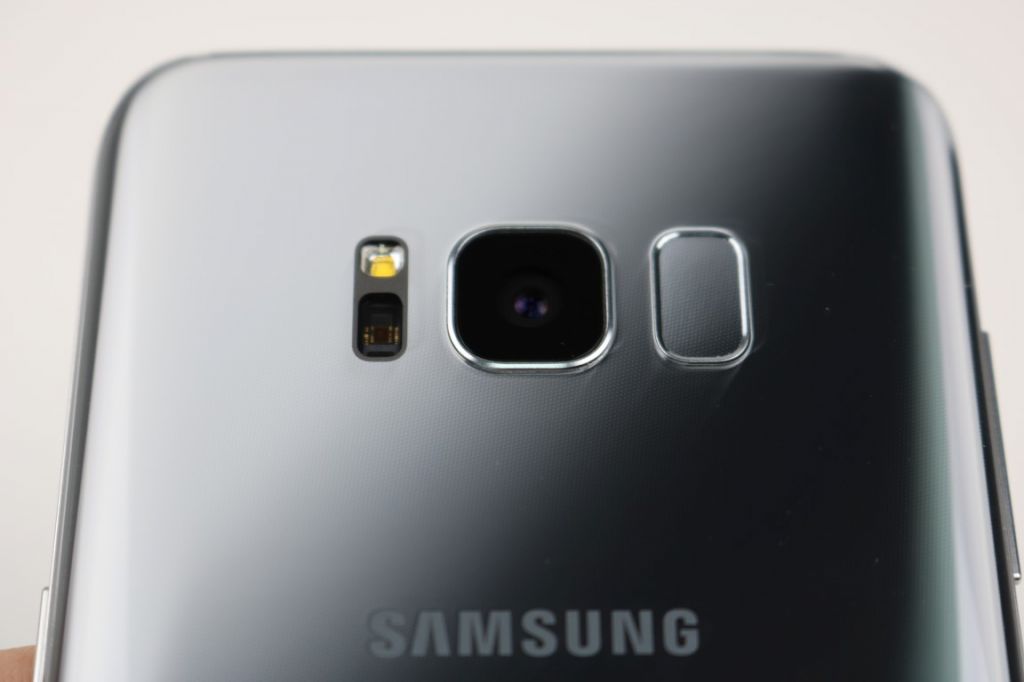
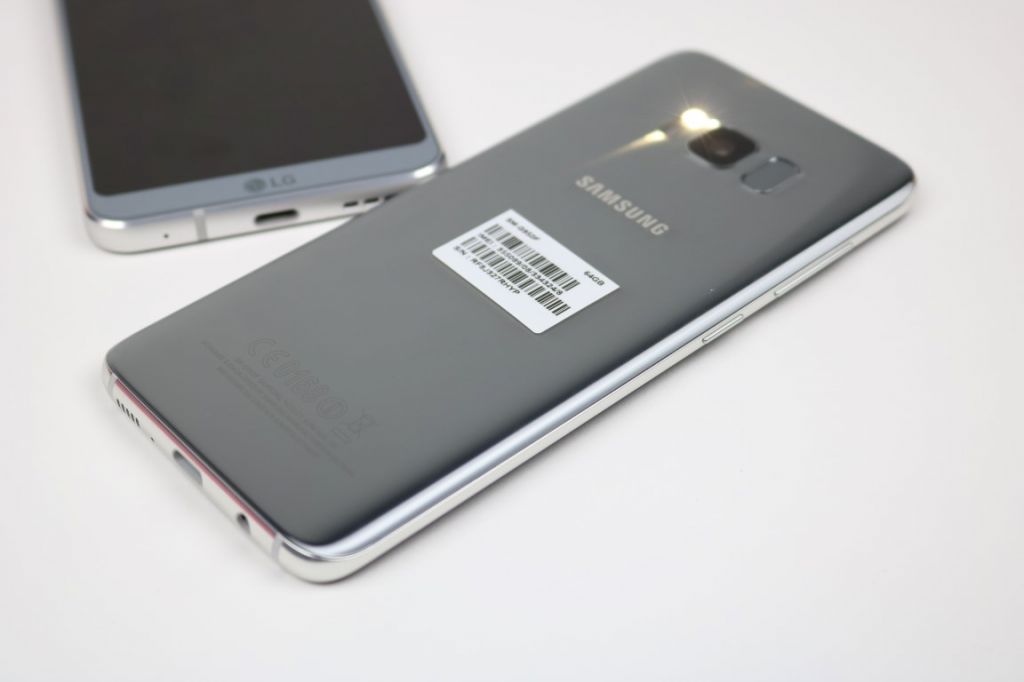
One of the most anticipated flagships of the 2017 is definitely the Galaxy S8. Unveiled towards the end of March, this device became available in EU of April 28. The size of the device is more or less the same as the S7, but this time we have a 5.8” diagonal compared to the 5.1” diagonal in the S7. How? This is achieved through shrinking down the bezels of the device, and increasing the screen-to-body ratio. Fingerprint sensor is this time located on the back of the device, next to the camera, and hardware buttons are replaced with software, on-screen buttons. Next to the display, the S8 brings plenty of improvements “under the hood”. New Samsung’s chipset brings even more power with a 10nm processor which will bring improvements to the battery life. Also, the S8 has a new and never before seen display aspect ratio – 18.5:9. Improvements are visible on the field of cameras as well – the rear camera is basically the same as the sensor in the S7 with a more polished software, while the front facing camera brought an increase to the 8MP (5MP on the S7), and it got auto-focus. The S8 is available is several colors: Midnight Black, Orchid Gray, Coral Blue, Maple Gold and Arctic Silver which we have here for the review. Of course, the device has remained waterproof, which is still on the list of specifications. Let’s now see, in more details, what improvements the S8 brought.
Unboxing
Display
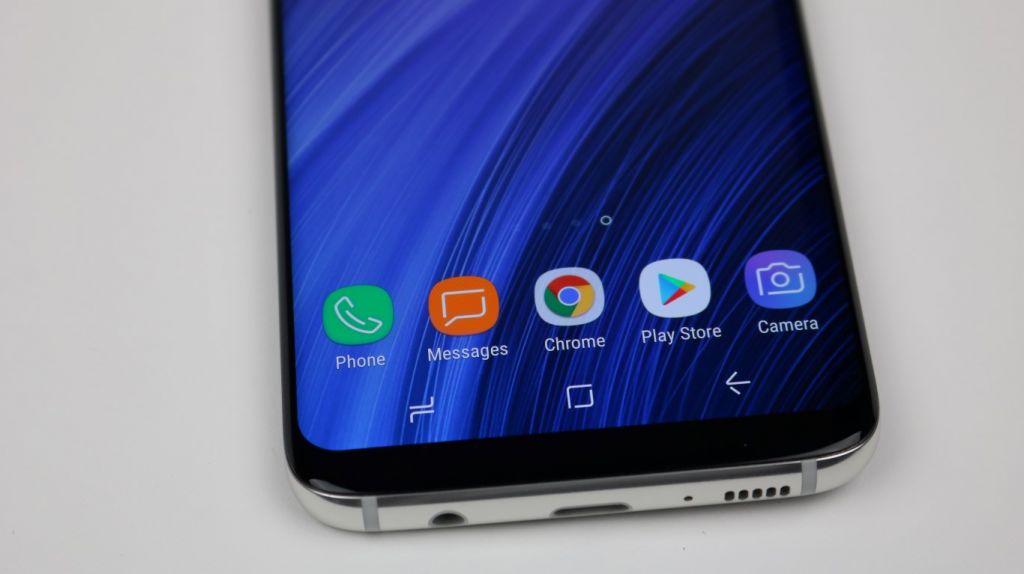
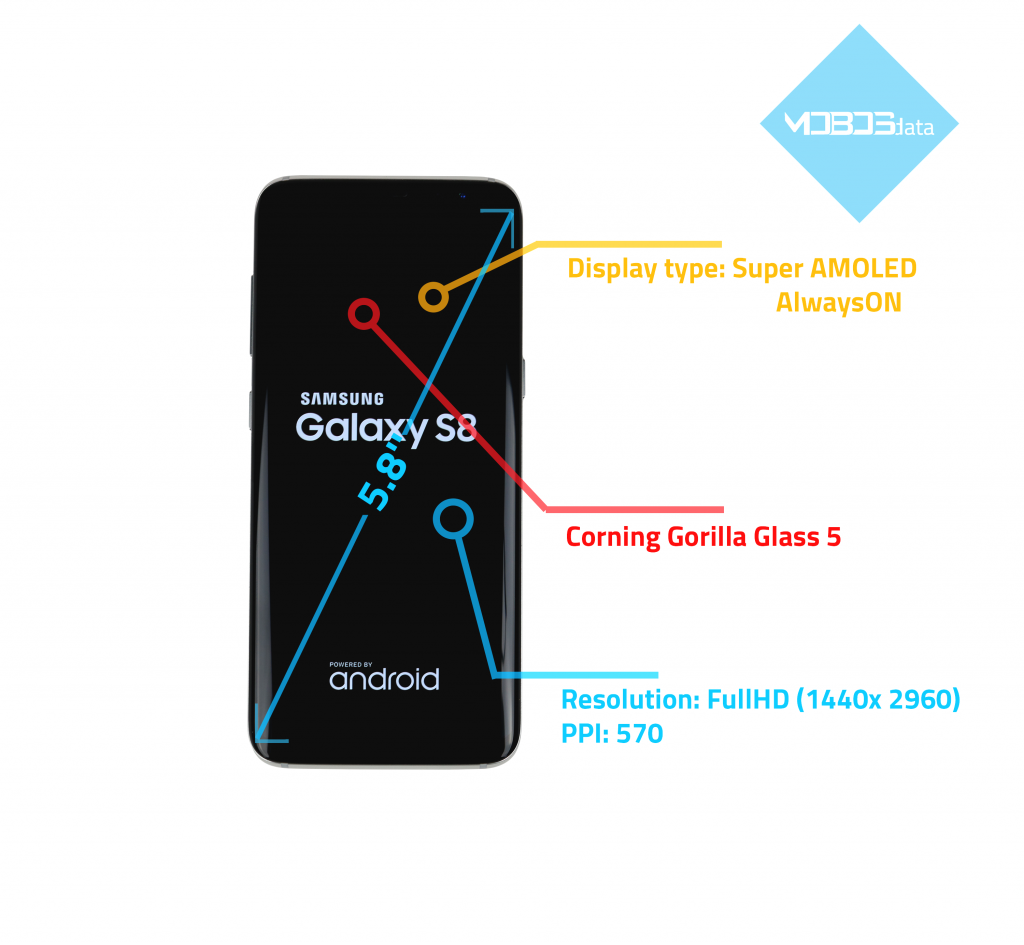
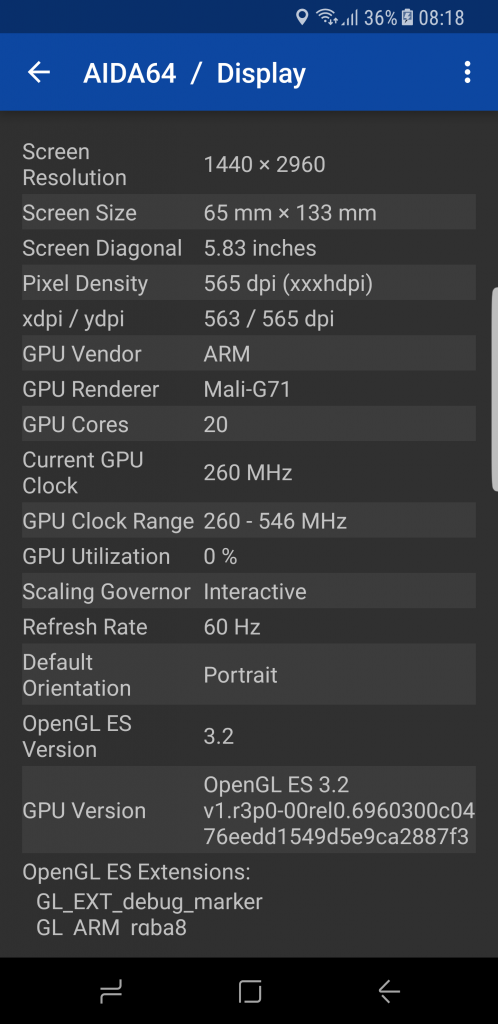
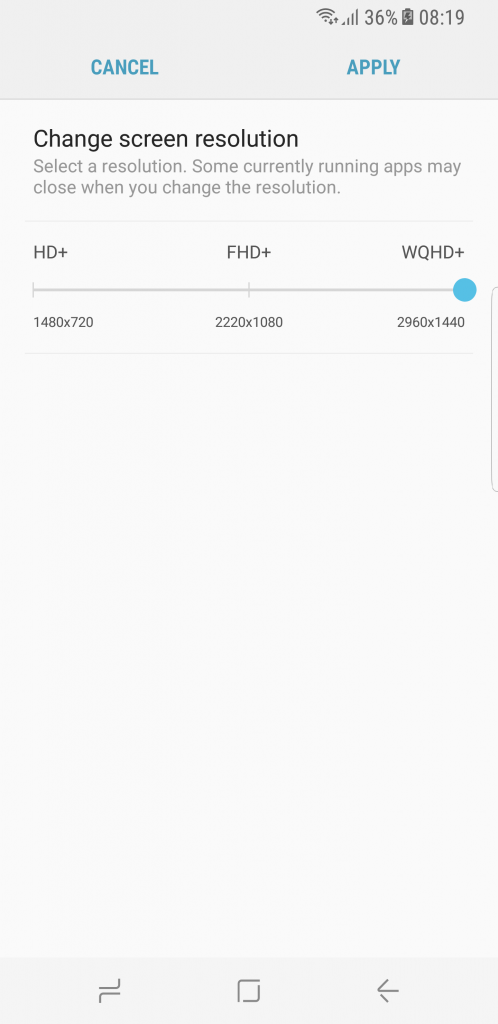
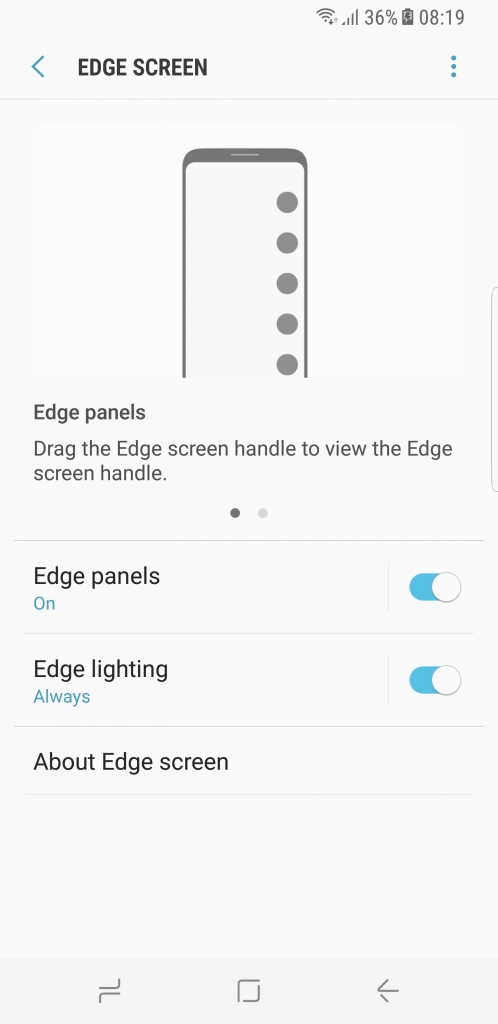
The thing that first pops up from the new S8 is definitely the display. The S8 brings a 5.8” display that Samsung calls “Infinity Display”. This screen is, simply, a jackpot. Well-known SuperAMOLED panel is still a trademark of Samsung’s flagships. The 5.8” display with the resolution of (WQHD+) 2960 x 1440 pixels shows up to 16.7 million colors. The screen is protected by Corning Gorilla Glass 5. Of course, the Edge Screen is still here, and it hides shortcut for the most frequently used applications or your favorite contacts. The thing that sets apart the S8 from the competitors, alongside curved edges and the resolution, is the aspect ratio of the display – 18.5:9. Non-standard aspect ratio can represent a problem when viewing contents designed for different aspect ratios, when we get black stripes towards the edges, and because of this we can’t use the whole screen of the S8. The number of PPI is 570. AlwaysOn display is also present, and it fits excellently into the whole story of the display. Visibility on the sunlight is great, if not the best ever seen on a smartphone screen. Brightness sensor is very effective, and with the automatic mode, it offers excellent levels of lowest and highest brightness.
Hardware and OS
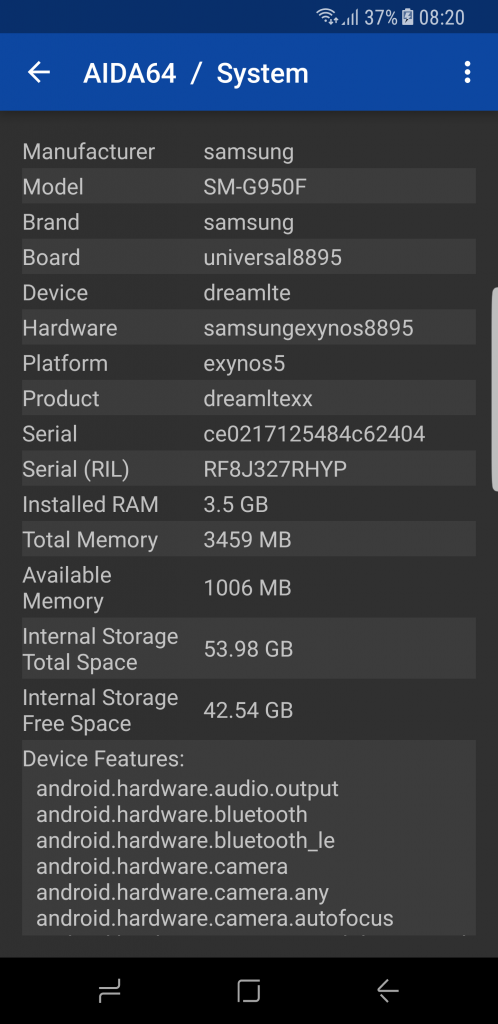
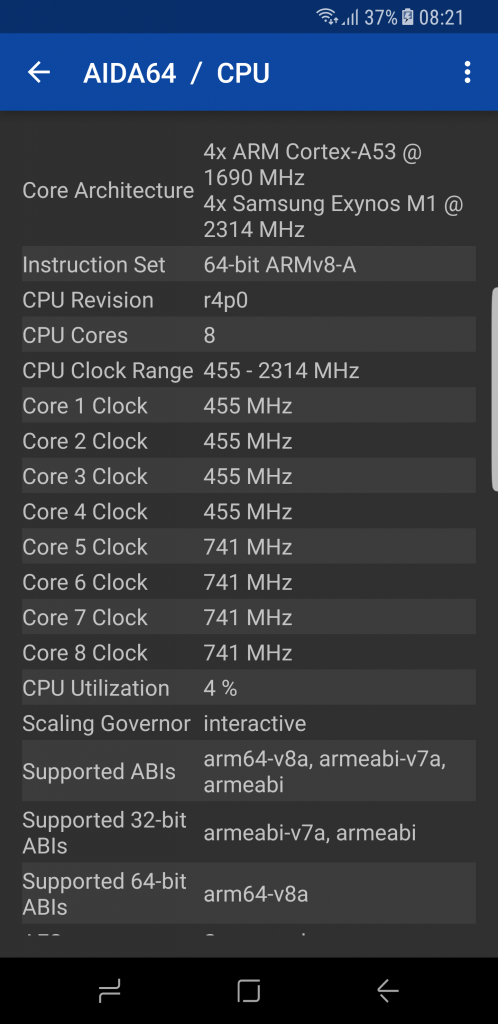
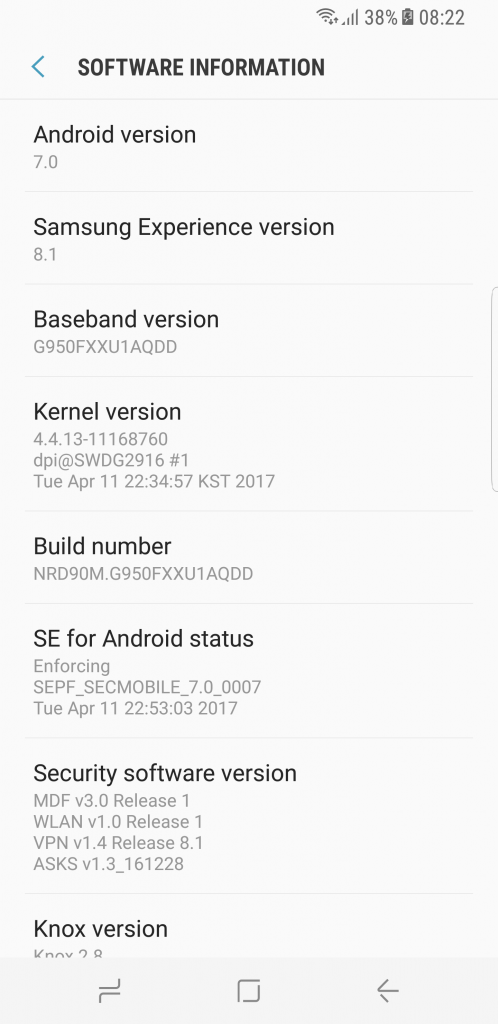
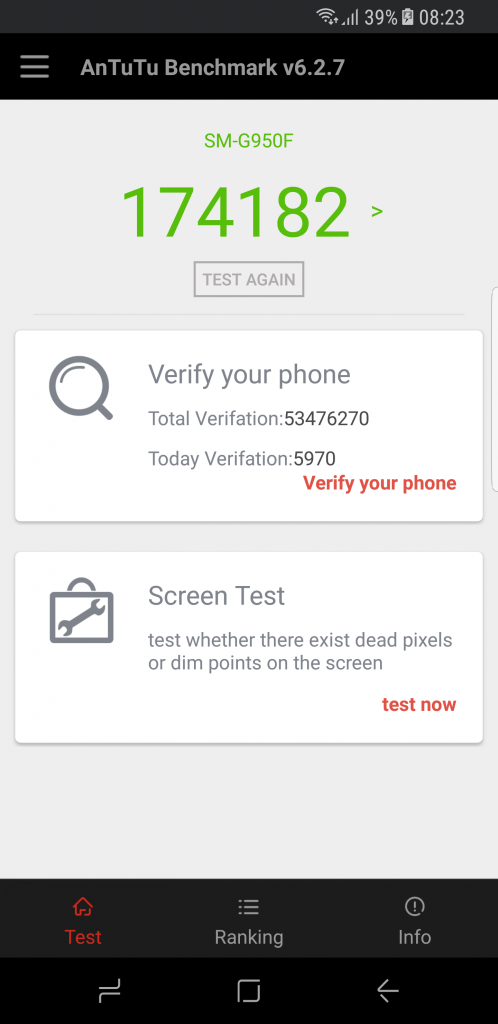
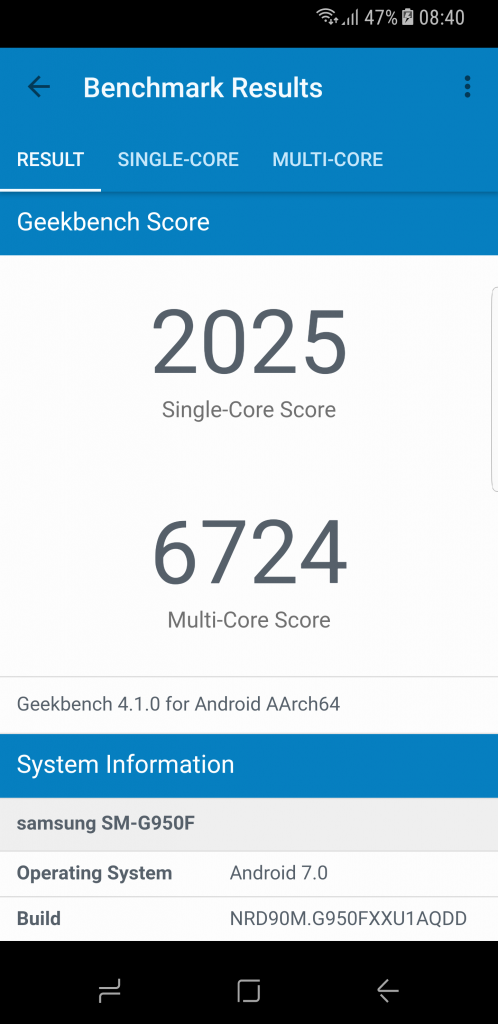
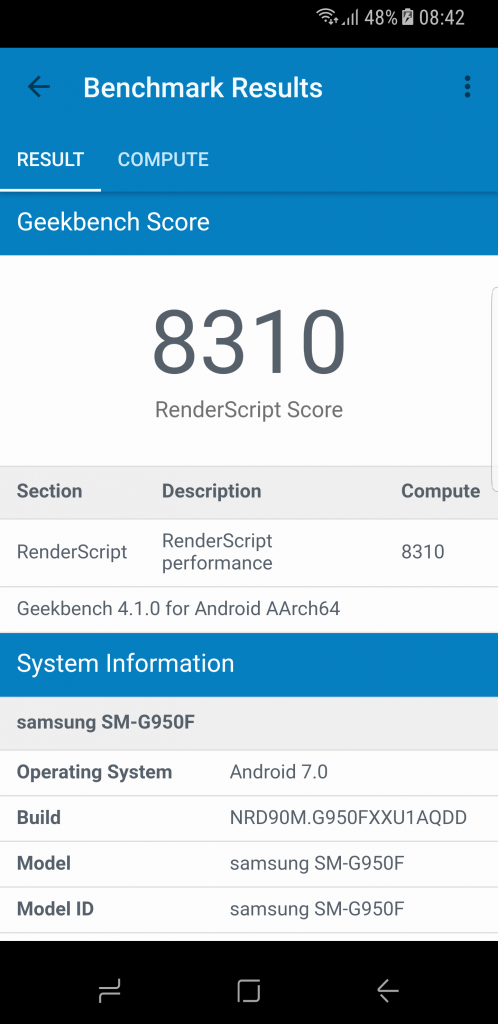
Next to all new things visible at first sight, the biggest improvement is achieved “under the hood”. This device comes in two versions: Qualcomm Snapdragon 835 for American market, while for all other markets Samsung has made available their new Exynos 8895 Octa, and brought with it the new 10nm processor. This new processor should secure up to 30% better performances and around 40% less battery consumption. Exynos chipset version has 8 cores, 4 of which are clocked at 2.3 GHz, and other 4 clocked at 1.7 GHz. Faster cores are tasked to do more demanding operations, while everyday work uses 4 slower cores. Cores are, therefore, separated by less and more demanding use. The S8 is equipped with 4GB of LPDDR4 RAM, while internal storage has only one option – 64GB. Thanks to the excellent hardware, the S8 positions itself at the very top of Android products. Benchmark tests proved this by showing the best results ever for any Android device. The S8 comes with preinstalled Android v7.0 Nougat firmware and GraceUX user interface. One of the news brought by the S8 and the S8+ is the new virtual assistant which Samsung calls – Bixby. The use of Bixby is still, however, very limited, since the system is still under development for most regions. This system has a separate hardware start button on the left side of the device. Alongside Bixby, we still have the very well-known Google Assistant.
Camera
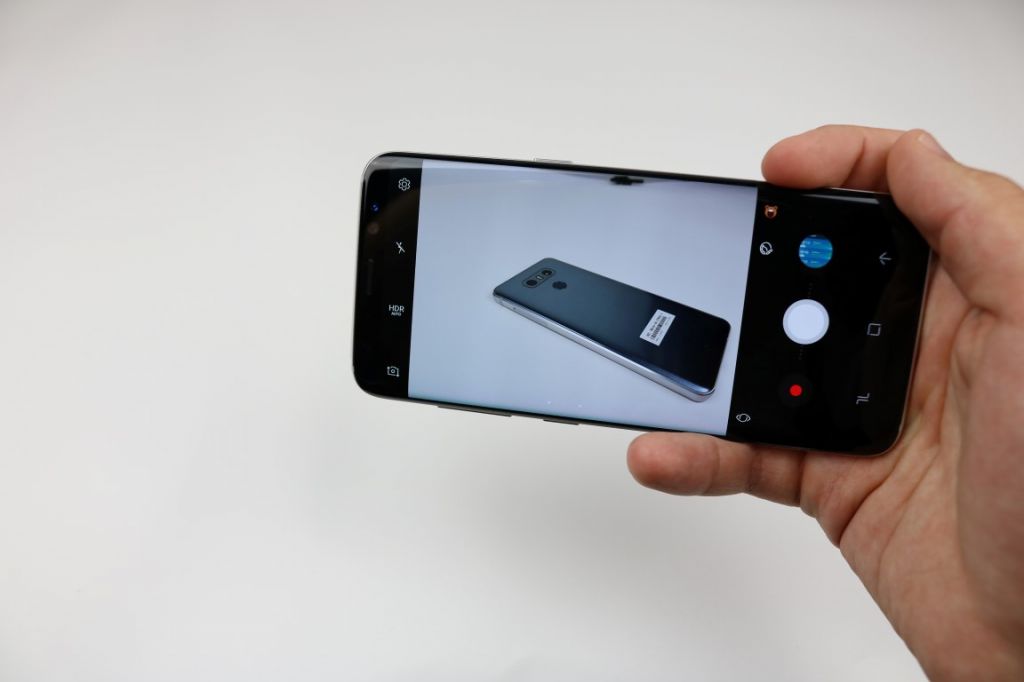
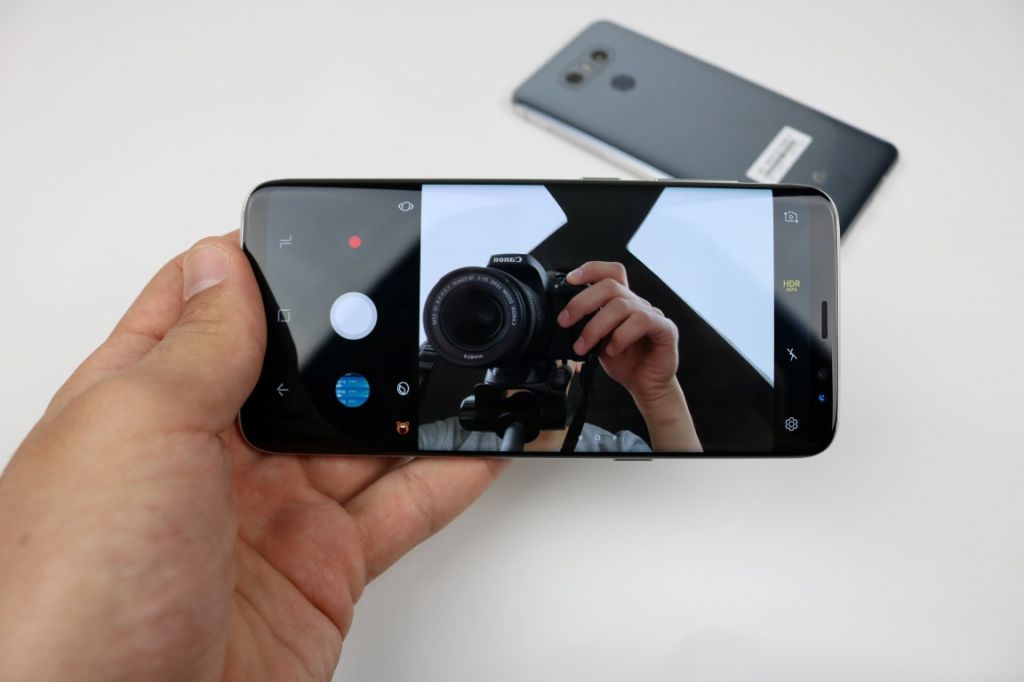
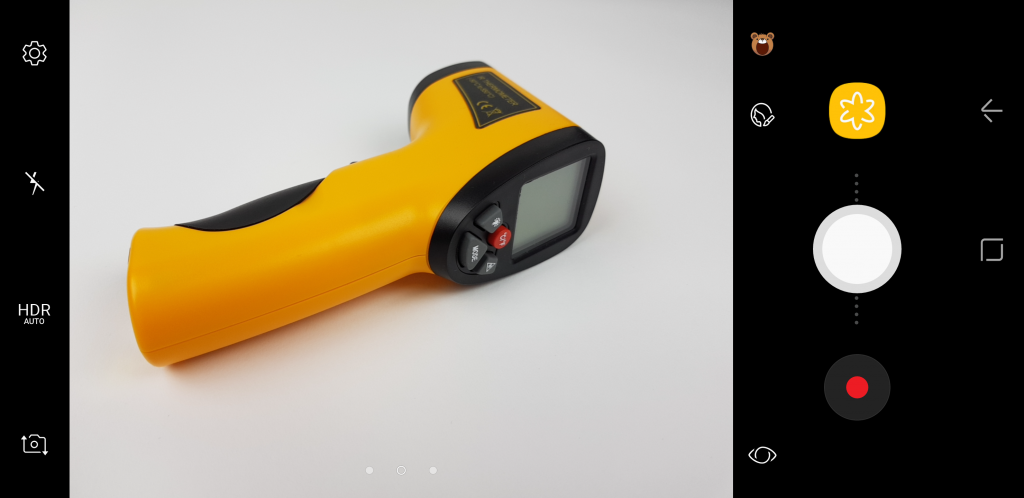
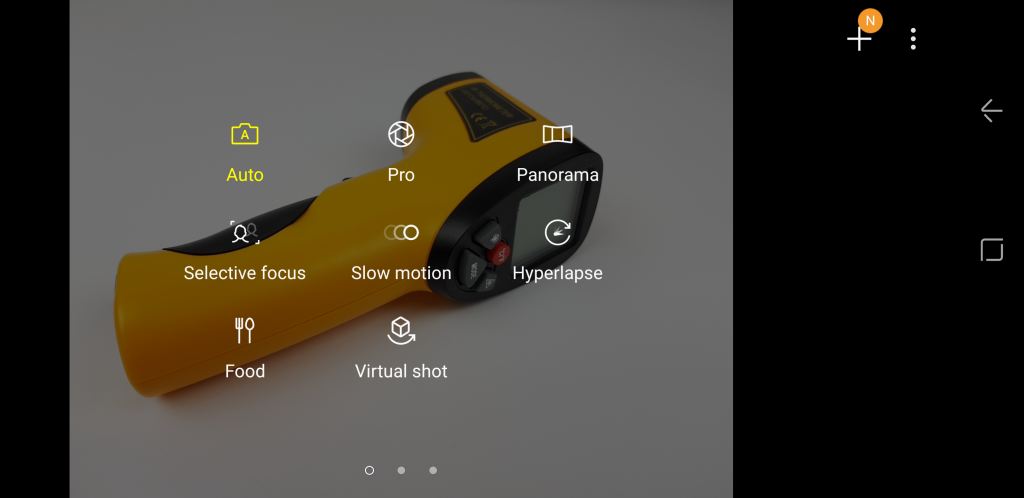
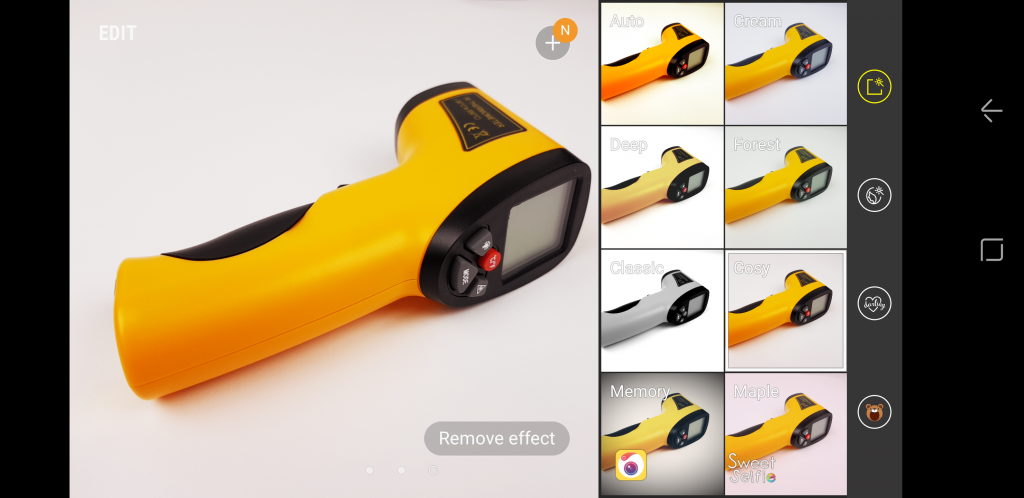
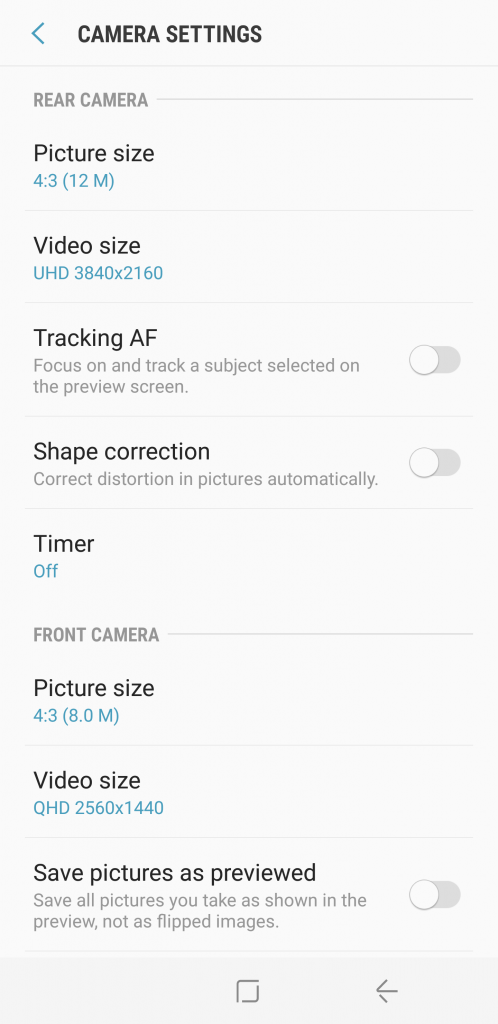
Galaxy S8 comes with a 12MP Dual-Pixel main camera, and an 8MP front facing camera with auto-focus, which makes this the first Samsung device with the AF system in the front facing camera. Next to the camera sensor, there is an LED flash which serves to help when taking photos and videos in low light environments. Although, parameters-wise, this camera has remained quite similar to the one in the S7/S7 Edge, using slightly improved camera parameters and a detailed overhaul of the camera software the S8 camera should bring the best photo taking experience ever when it comes to Samsung devices. The sensor has retained its 12MP resolution, the aperture is the same as in the S7, the width is 26mm, and the S8, same as the S7, supports PDAF and OIS. Of course, there are other camera options such as: Geo-Tagging, ability to take 9MP photos during video capturing, Touch Focus, Smile and Face detection and HDR. Video is captured in now already standard 4K resolution at 30fps, but next to the classic 4K video, there is an option to take FullHD videos at 60fps, as well as capturing HDR videos. The biggest improvement is visible in the field of the front facing camera. This time it has the resolution of 8MP, the aperture is the same as in the rear facing camera, HDR video is also supported, and it is captured in 1440p resolution at 30fps. Both cameras take wonderful photos, definitely among the best regarding smartphones. Excellent colors, plenty of details and shooting speed are definitely things which will bring the photo taking experience of the S8 to the next level.
Connectivity
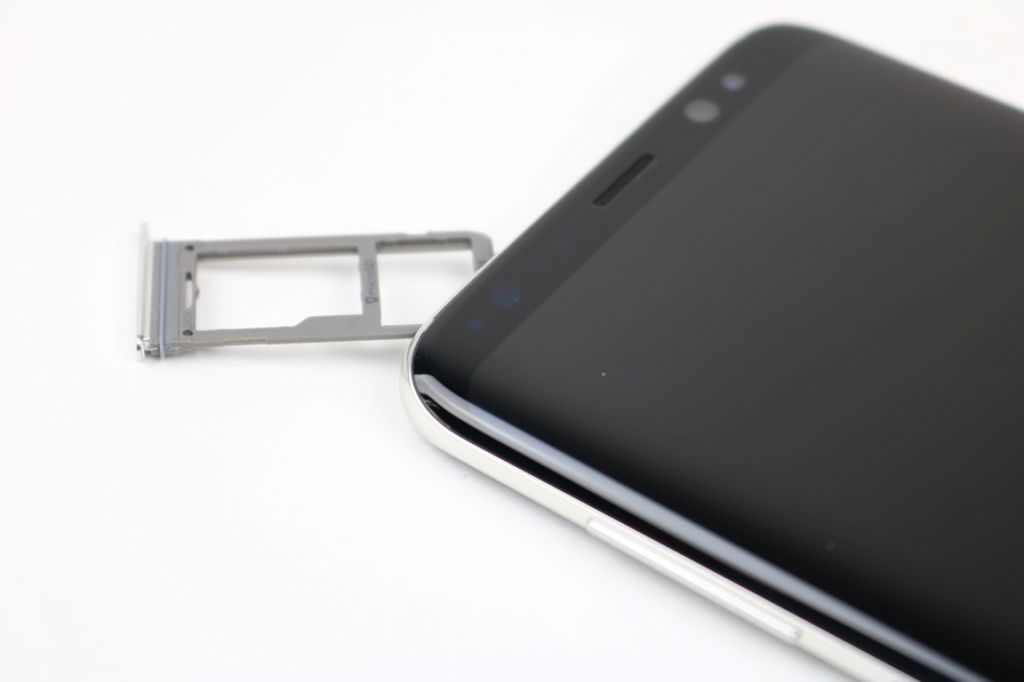
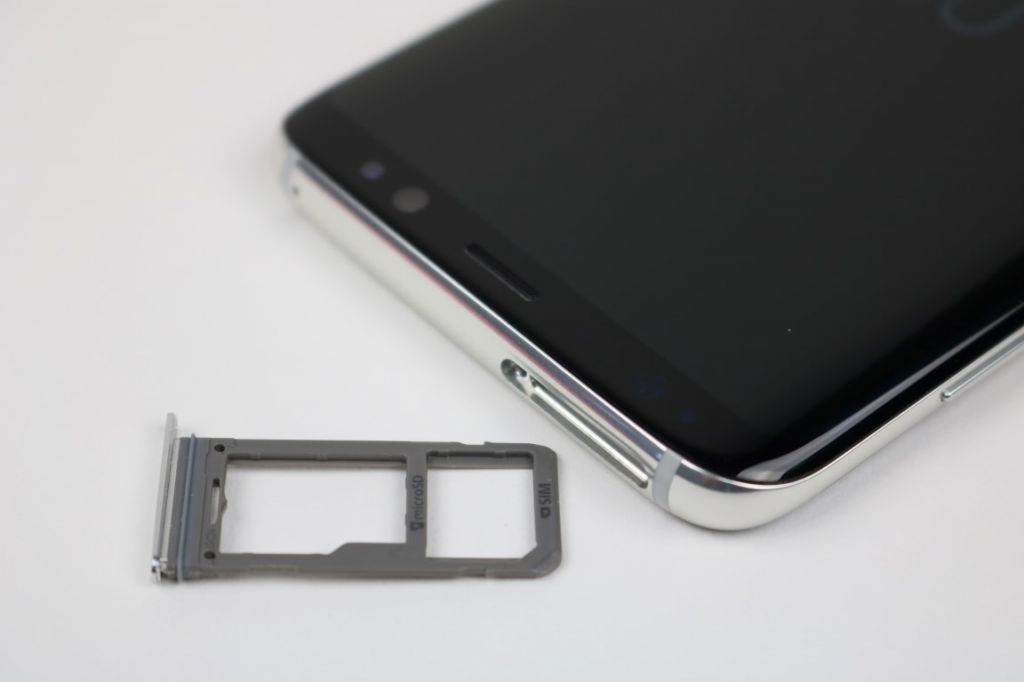
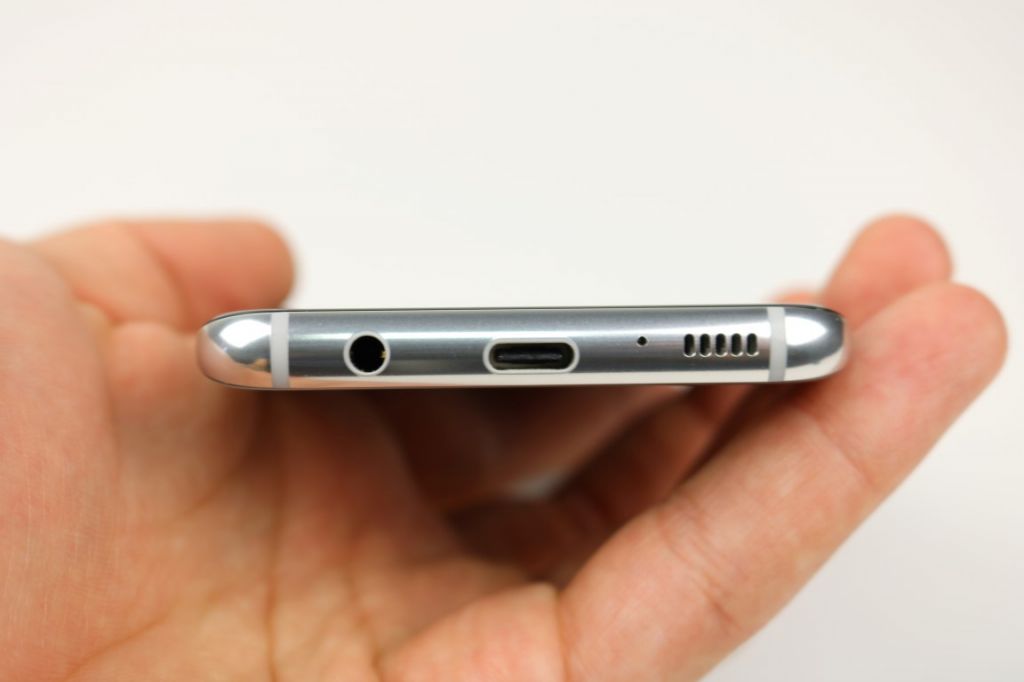
The S8 is a well-rounded device when it comes to the list of connections as well. 2G, 3G and 4G networks are standard, but this time the download speeds in the S8 can go up to 1Gbps, while the maximum upload speeds go up to 150Mbps. We have a SingleSIM version, but of course, a DualSIM version is also available. SingleSIM devices have a separate microSD card slot, while the DualSIM version packs a microSD card into the SIM card tray. Type-C has become standard to the upper middle and premium classes, so it is also present in the S8. In the factory box there is also the adapter from Type-C to microUSB, and Type-C to Type-A USB connector (OTG).
The rest of the list contains:
- WiFi
- BlueTooth v5.0
- NFC
- Samsung Pay
- A-GPS
- 3.5mm audio port
Battery
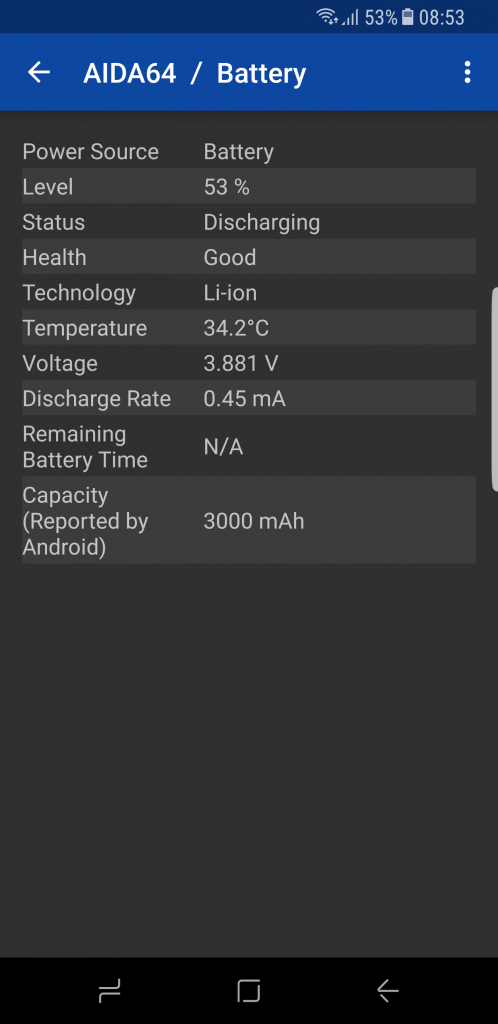
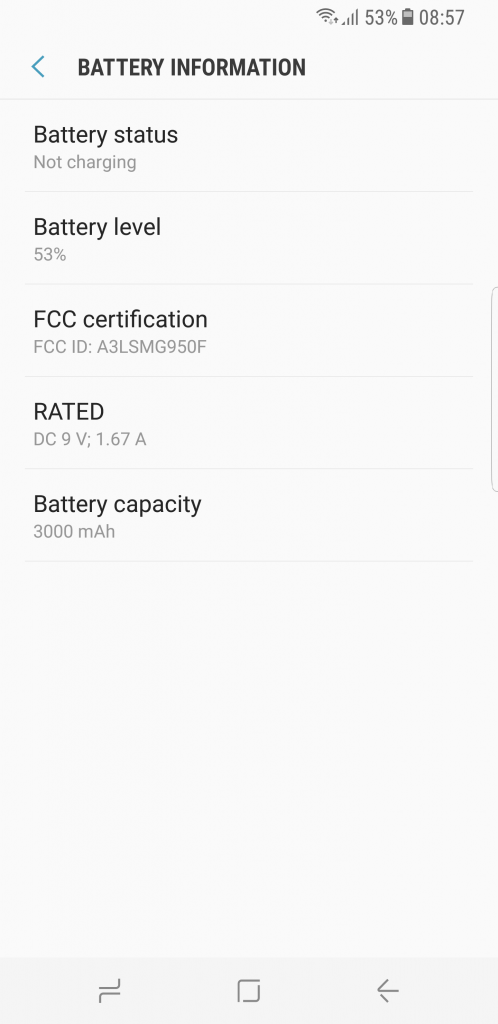
The S8 packs a battery with the same capacity as the last year’s S7. It is a Li-Ion 3000 mAh battery, which, this time, cannot be removed without opening the device.
The S8’s battery, with the new chipset, but a bigger screen than the S7/S7 Edge, has the same, or even slightly longer life with one full charge.
Results are:
- talk time: around 20 hours (less with Always-On display enabled)
- 3G network: around 11 hours
These results are on par, or even slightly better than the results in the S7, for which mostly the new chipset can be credited.
Final words
The S8 proved to be an excellent representative of the premium class. It really has a great build quality, an unusual display and high level performance. All this has placed the S8 into the cutting edge of the Android devices. Next to great performances and attractive design, the S8 showed good results regarding the battery as well. Improvements compared to the S7 are definitely noticeable, but the starting price of this device, which is almost double the amount of the predecessor, seems a little too steep. Our recommendation is that, if you’re already using the S7, you should wait a little bit for the price of the new device to fall down a little.
Do you like the Samsung Galaxy S8? We’d like to see your opinion in the comment section below. If you have any ideas or you would like to see a specific device being reviewed soon, feel free to let us know here or on our Facebook page. If you liked this review, subscribe to our Youtube channel, like us on Facebook, and sit back and relax while we make more of the same for you.
Video review
Advantages and disadvantages
Reasons for and against it
10nm chipset fabrication
perfect display
bad position of Fingerprint scanner
price
no 128GB option