Introduction
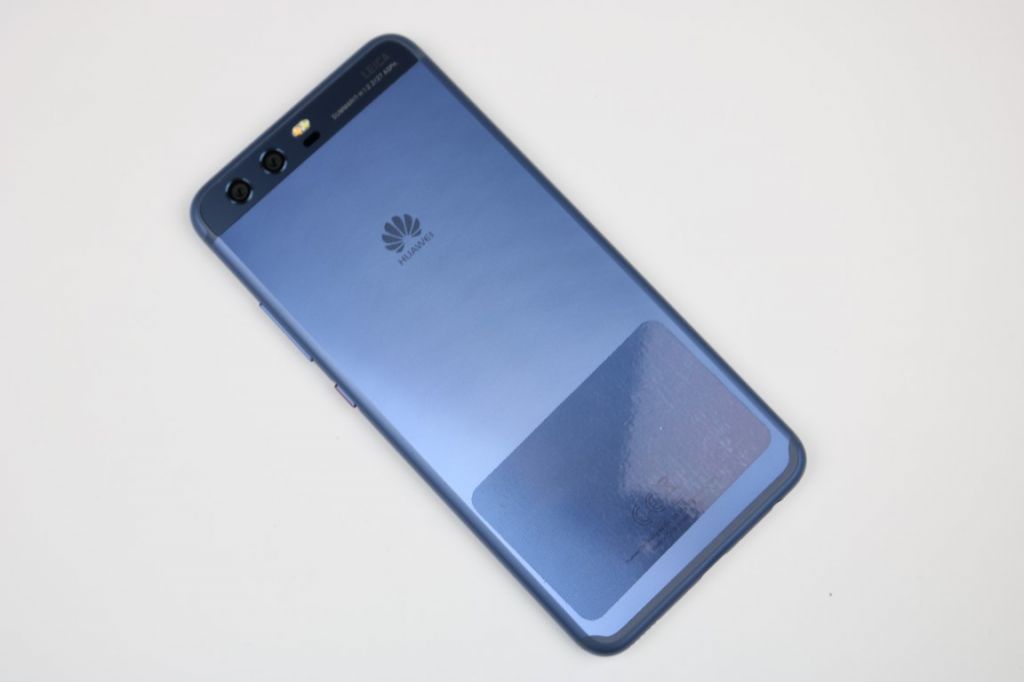
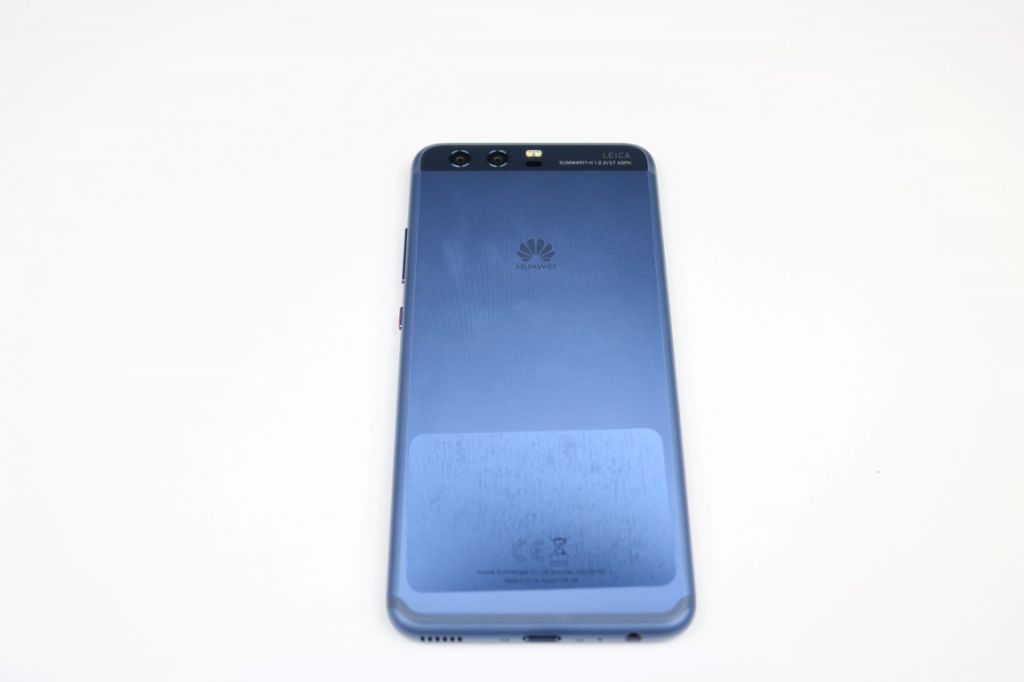
After the very successful P9 for 2016, and Mate 9 which was a refreshment for the end of the year, Huawei brings us the flagship for 2017 – the P10. Unveiled in February of 2017, it brings improvements in several fields compared to the last year’s model. Some of these improvements are more advanced main camera sensors, chipset and bigger battery. This device also has a dual camera setup on the rear, which is this time also developed by Leica. The front facing camera retained its resolution, but has other improvements on the sensor. The predecessor used HiSilicon Kirin 955 chipset which performed very well in direct comparison to the competitors, so the P10 has a refreshed version from the Mate 9 – Kirin 960 chipset. A well-known fact in Huawei devices is that the CPU performance was always on par with the competitors, but the GPU has always been falling behind. The P10 comes in several colors: Mystic Silver, Rose Gold, Graphite Black, Dazzling Gold, Dazzling Blue and Greenery. This device has all qualities of a modern flagship, and it really looks like one. Let’s now see how it performed in our tests.
Unboxing
Display
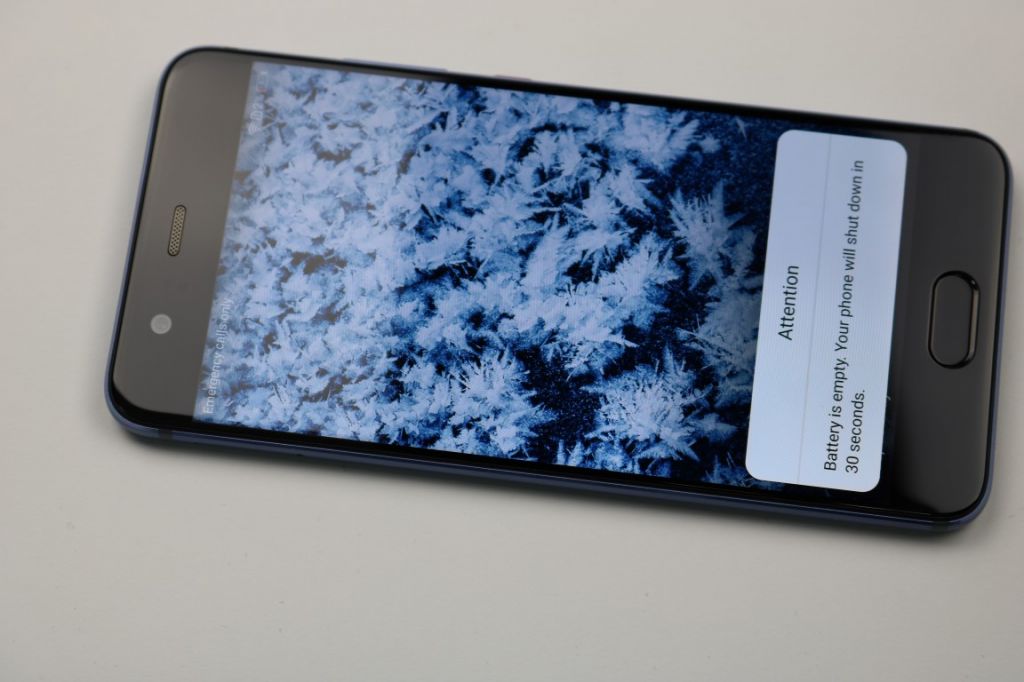
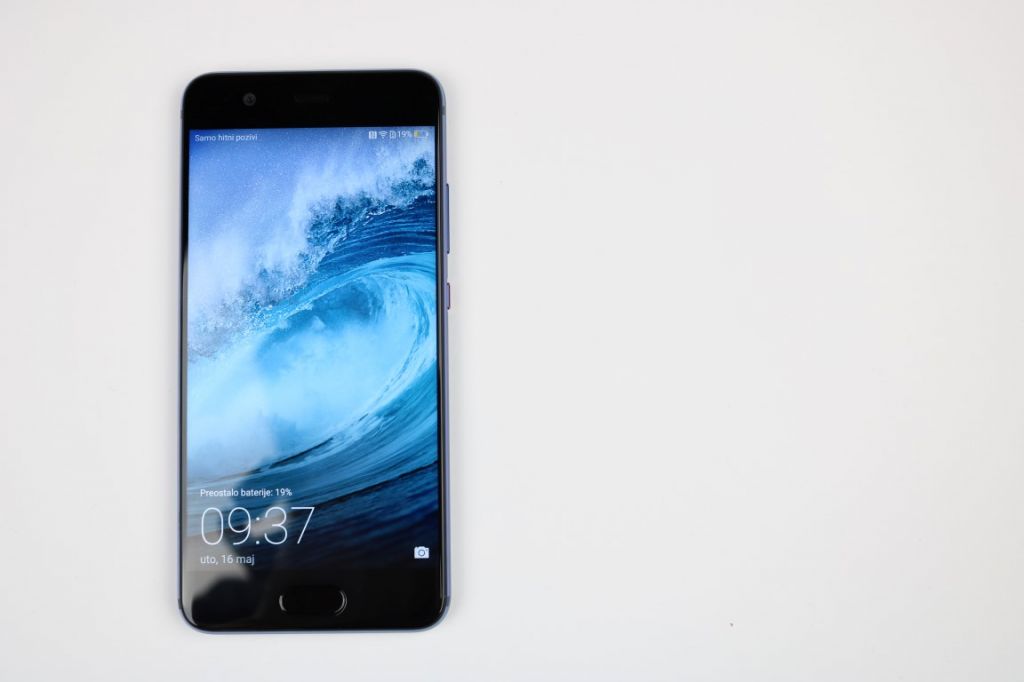
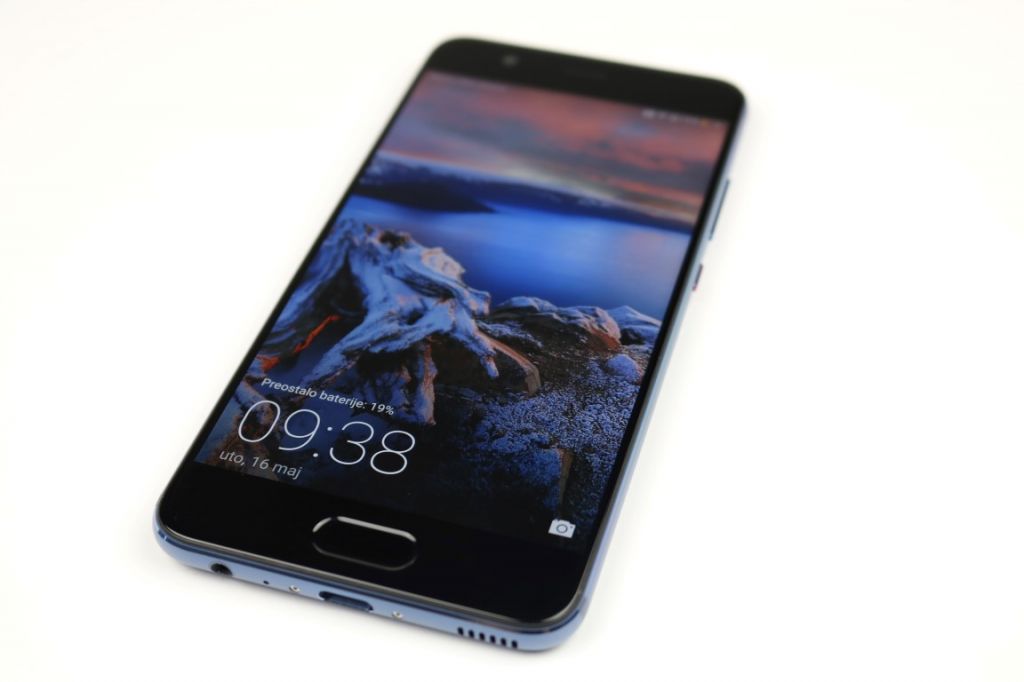
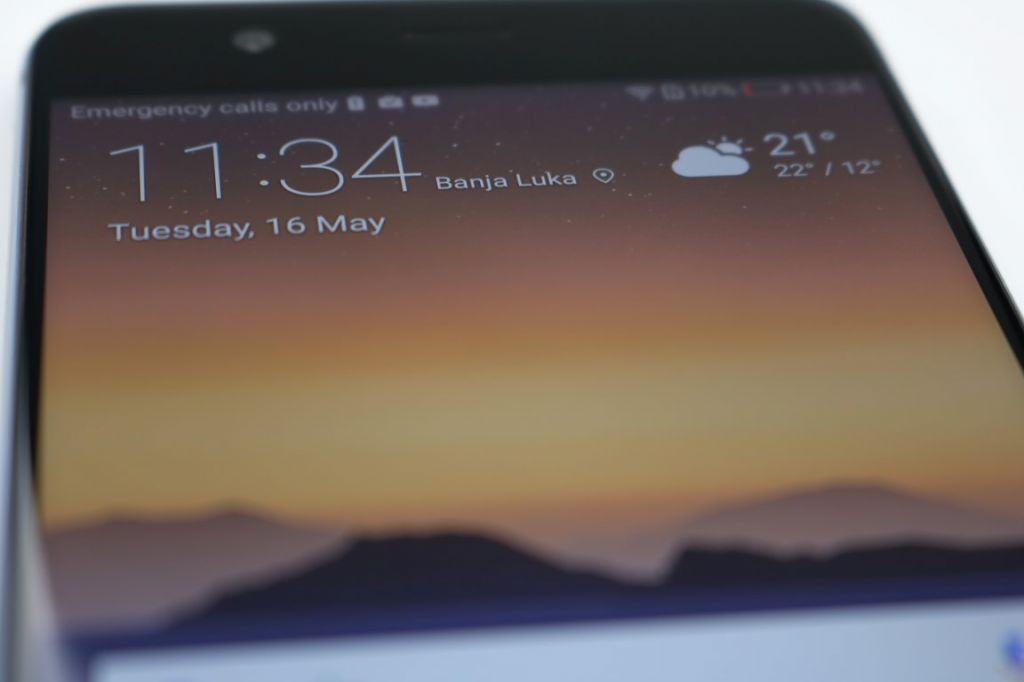
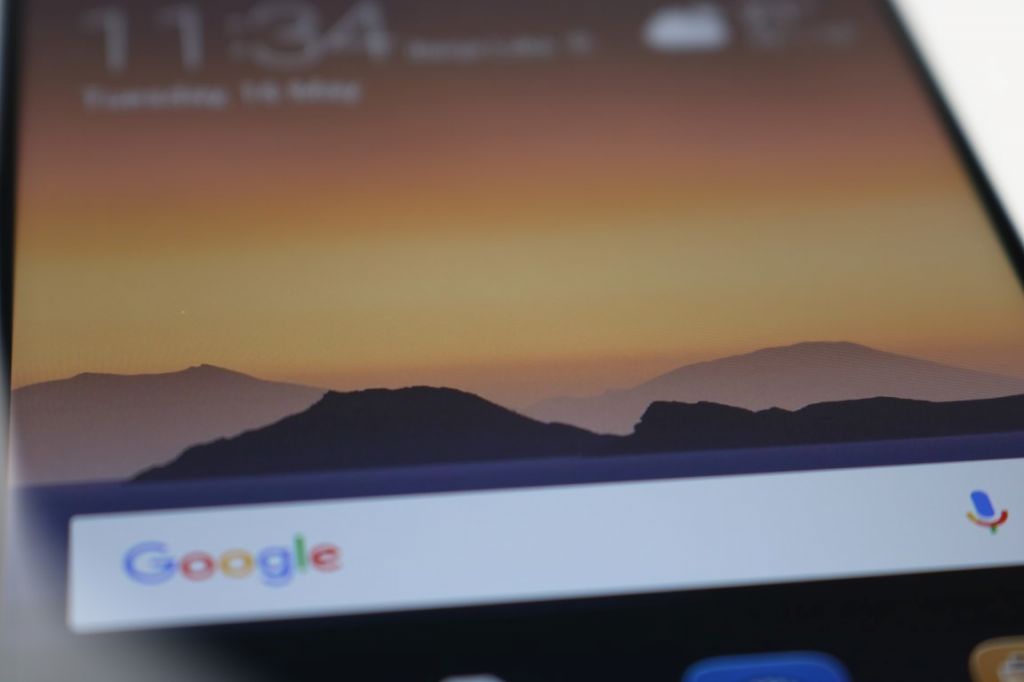
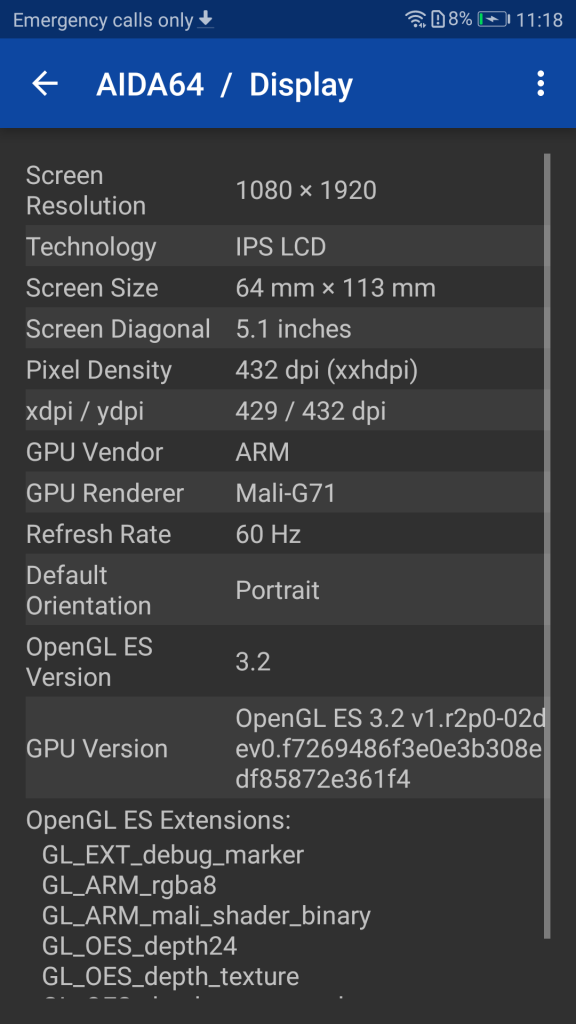
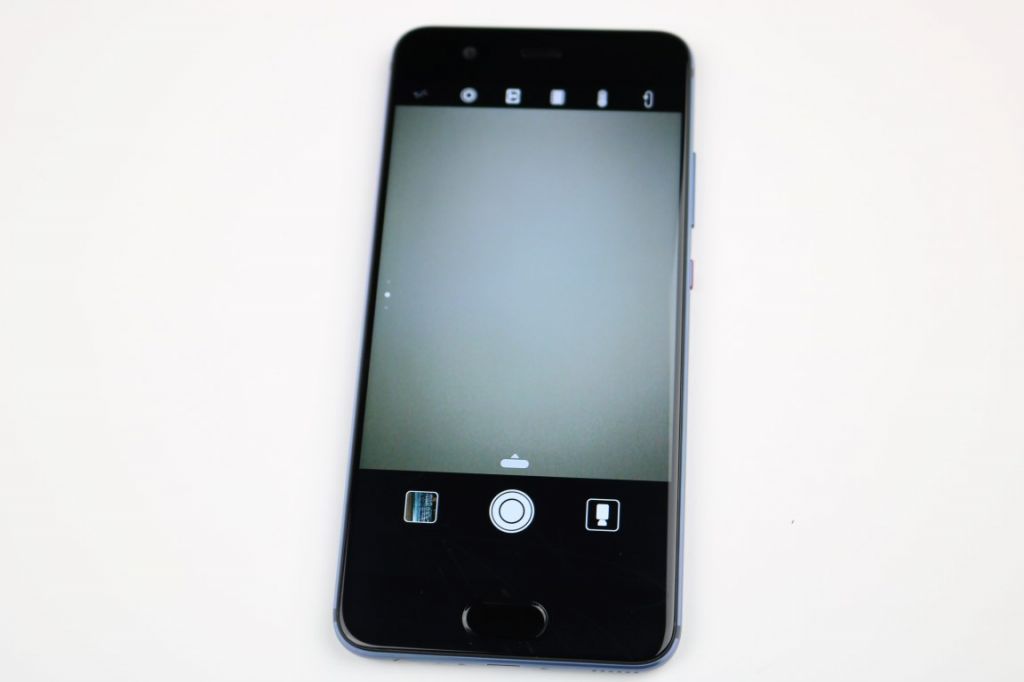
Of course, one of the most important points of every flagship is its display. The P10 is equipped with a slightly smaller display compared to the last year’s device, which is not necessarily a bad thing. This year’s flagship has a 5.1” display while the resolution has remained the same, the standard one for Huawei’s devices – FullHD. QHD resolution remains exclusive for P10 Plus and Mate 9, although other manufacturers had the same resolution in their last year’s flagships. This can be seen as an advantage, because smaller resolution usually means longer battery life. Also, the same resolution with a slightly smaller panel brings a slight boost to the number of PPI, which is this time – 432. This time as well, IPS-NEO LCD technology is used, and it shows up to 16.7 million colors. Screen protection has also improved, and we now have Corning Gorilla Glass 5. The display shows very sharp images with clear colors. Contrast is great as well. Visibility on the sunlight is also very good, especially if auto brightness settings are used through the sensors on the front side of the phone, which makes for excellent brightness of the screen taking into account that this is an IPS LCD display.
Hardware and OS
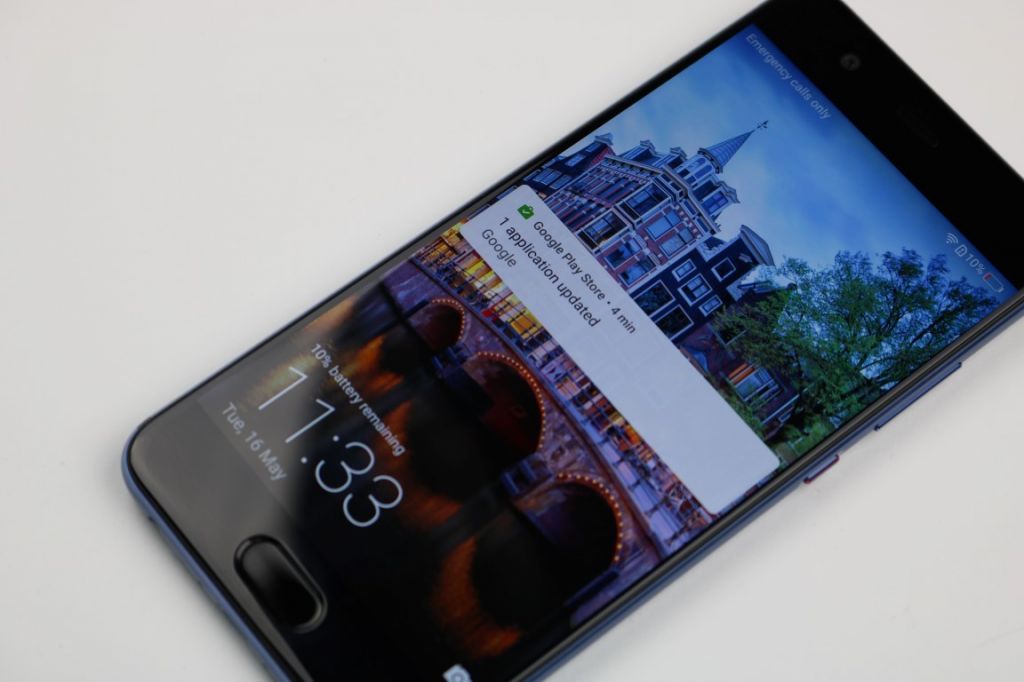
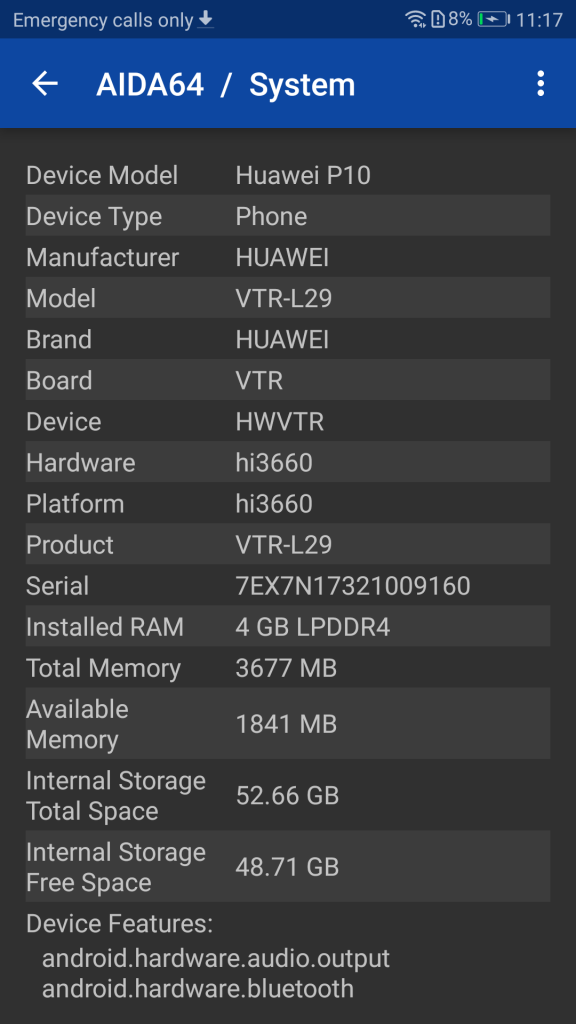
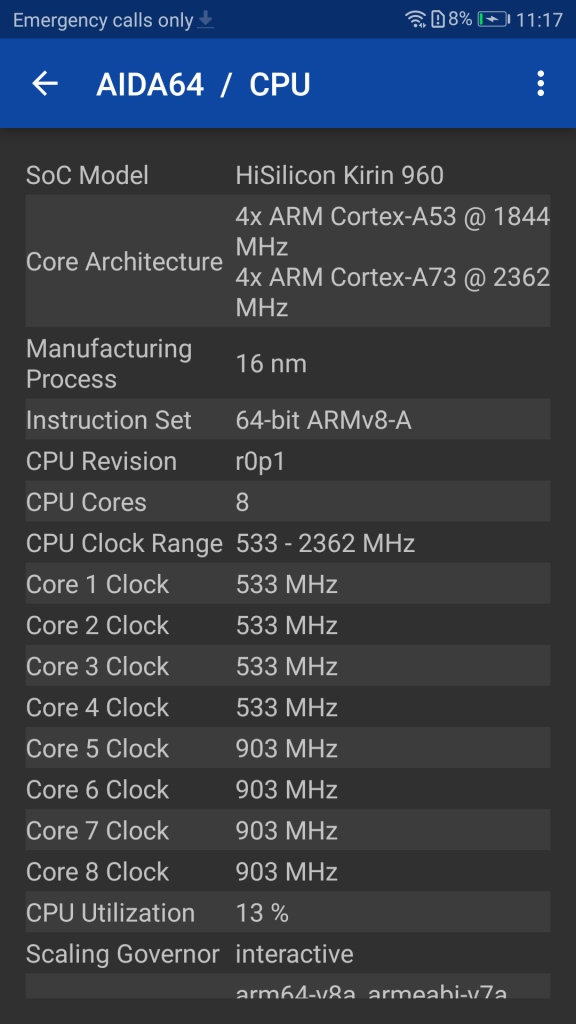
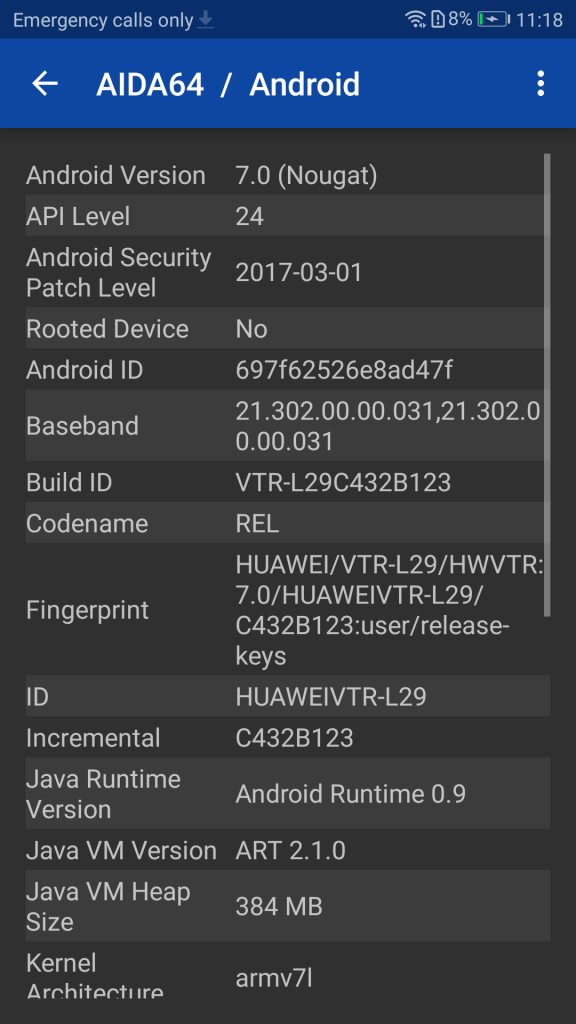
“Under the hood” we find a very well-known Kirin 960 chipset from the Mate 9. It is a chipset made up from 8 processing cores, 4 of which are clocked at 2.4 GHz, and other 4 clocked at 1.8 GHz. This chipset is a direct competitor to the Samsung’s Exynos 8895 Octa chipset, and Qualcomm Snapdragon 835 chipset. Kirin 960 shows excellent results in all CPU benchmark applications, and finally Huawei has decided to implement a suitable GPU in one of their flagship phones – Mali-G71 MP8. This is a brand new GPU solution from HiSilicon lineup, and it represents a jackpot for the FullHD resolution of the P10. Overheating is not an issue on the P10 during light and mid-range use, but after longer time spent playing more demanding 3D games, overheating and drop in performances is noticeable. The chipset is combined with 4GB LPDDR4 RAM and either 32 or 64GB of internal storage. Storage is expandable via microSD card up to 256GB. The P10 comes with preinstalled Android v7.0 Nougat firmware with Huawei Emotion 5.1 user interface. The device also has a built-in fingerprint sensor which is located inside the home button.
Camera
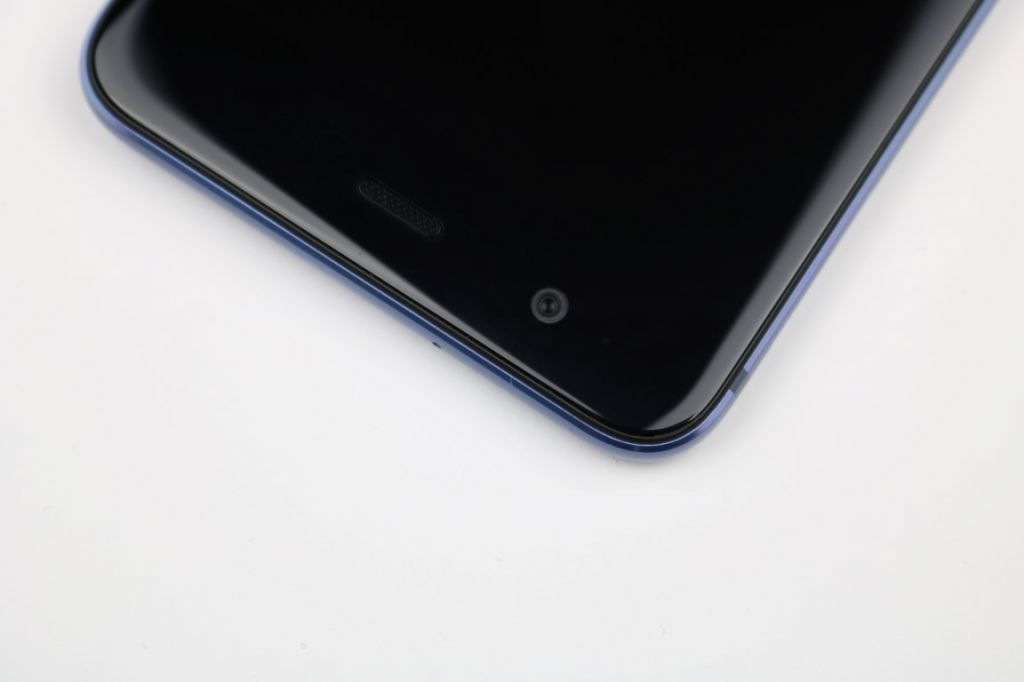
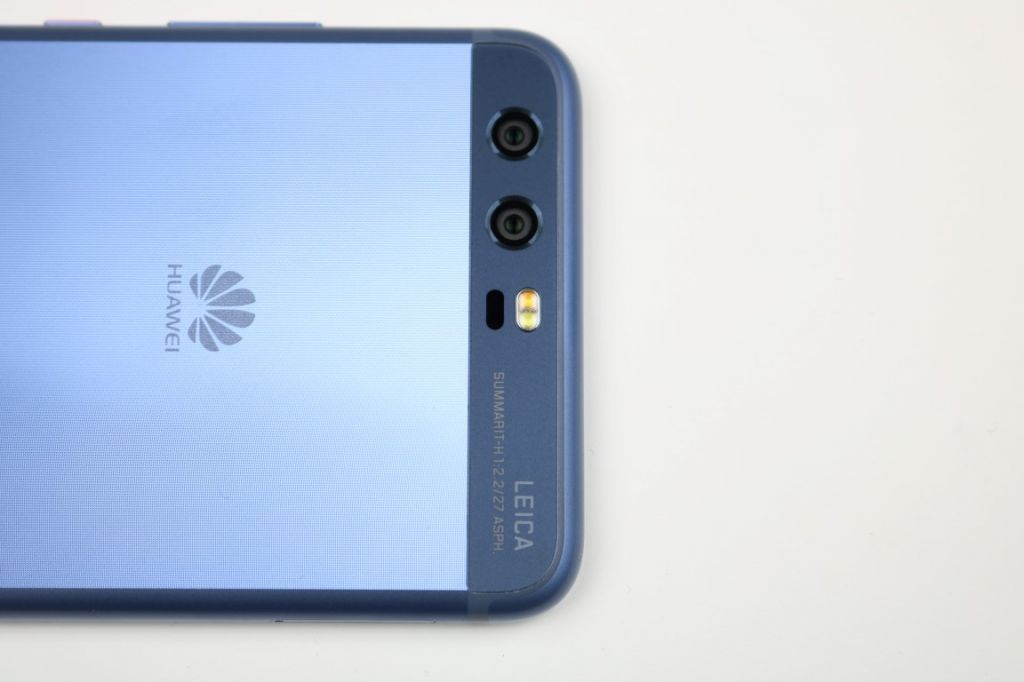
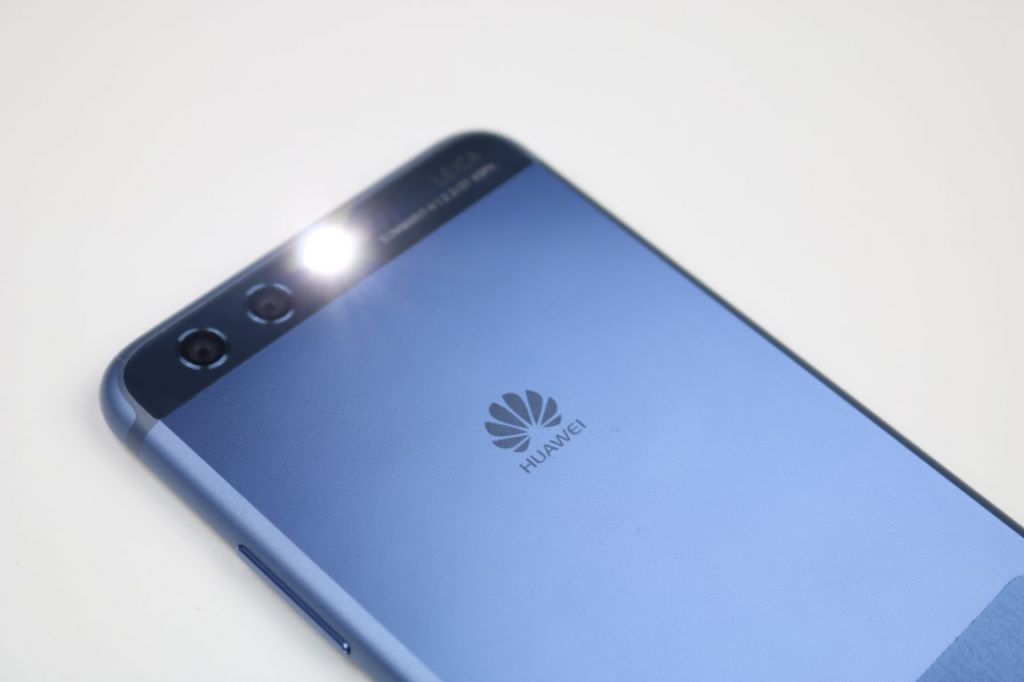
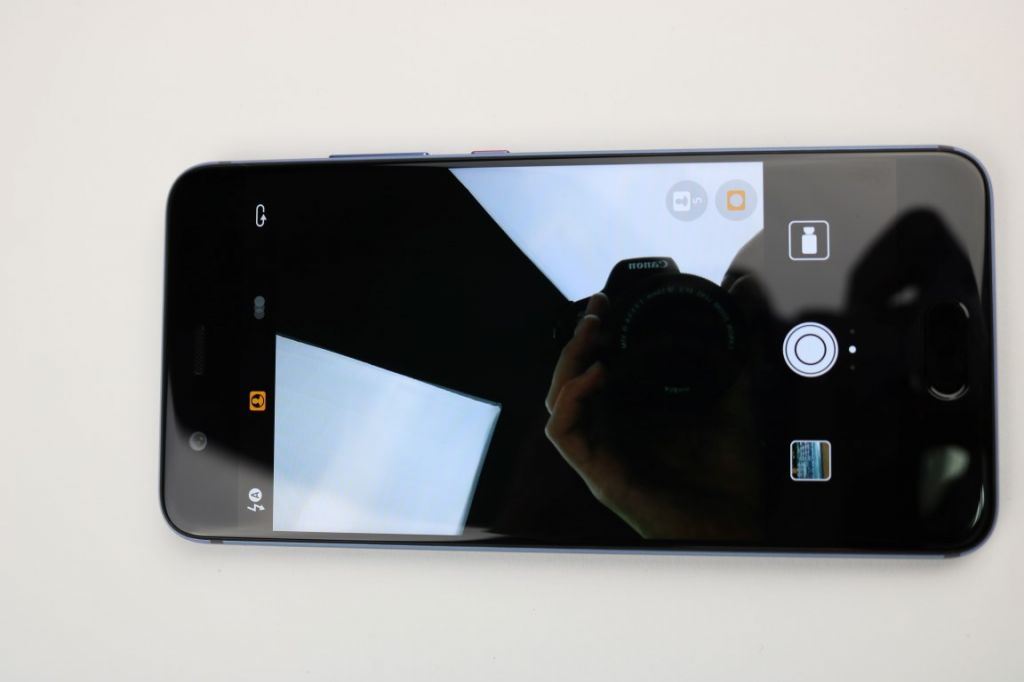
As we have previously seen in P9 and Mate 9 devices, the P10 also brings a dual rear facing camera. These are the same sensors we can find in the Mate 9. So this is a well-known Leica Dual Camera v2.0, with a 12MP color sensor and a 20MP monochrome sensor. OIS is available only for the color sensor. The cameras work in pair, in a way that the monochrome sensor captures all the little details, while the 12MP color sensor captures colors, and this way we get 20MP color photos. For low light conditions, the Huawei P10 is equipped with a double LED flash. Other camera options are: Portrait Mode, Pro Mode, Geo-Tagging, HDR, Panorama and Smile/Face Detection. The pictures taken by the P10 are, in one word, excellent. Plenty of manual settings in the PRO mode are another big plus. Photos are very sharp, colors seem very natural and noise levels are very low. This camera is placed among the TOP5 mobile cameras. Video is captured in 4K resolution which is definitely a huge leap forward compared to the P9 and its 1080p video. Alongside 4K videos, FullHD videos at 60fps are also supported. The front facing camera of the P10 has the resolution of 8MP with an aperture of f/1.9. The selfie camera is, as usual, very good. Colors are very nicely shown, and the sharpness is great taking into account that this is a sensor with no auto-focus. Bokeh effect is achieved through the software. It captures video material in FullHD resolution at 30fps
Connectivity
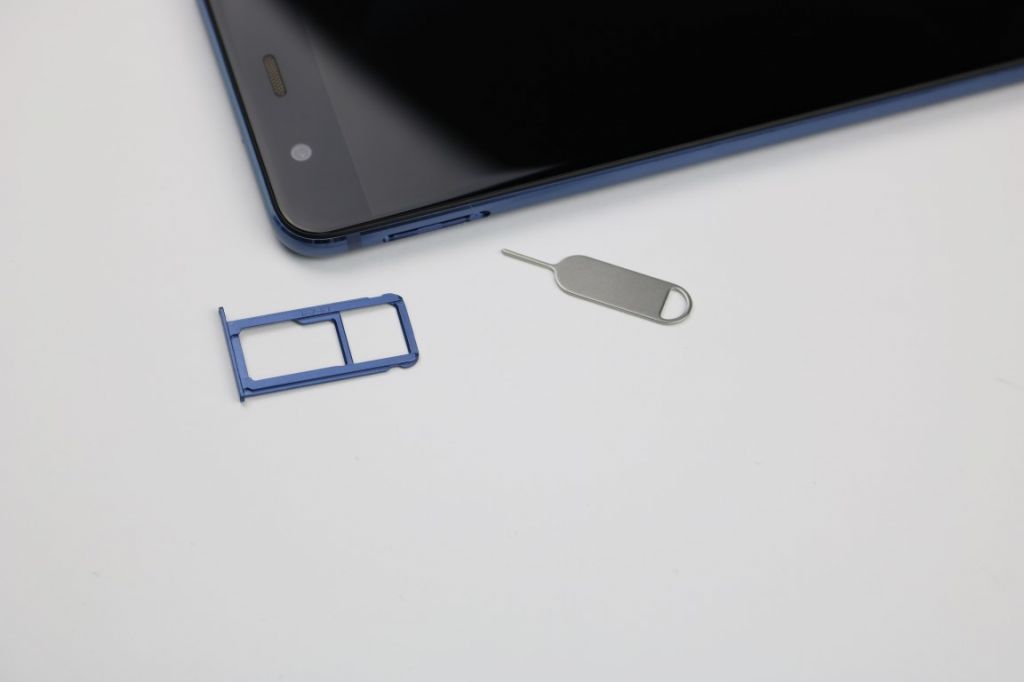
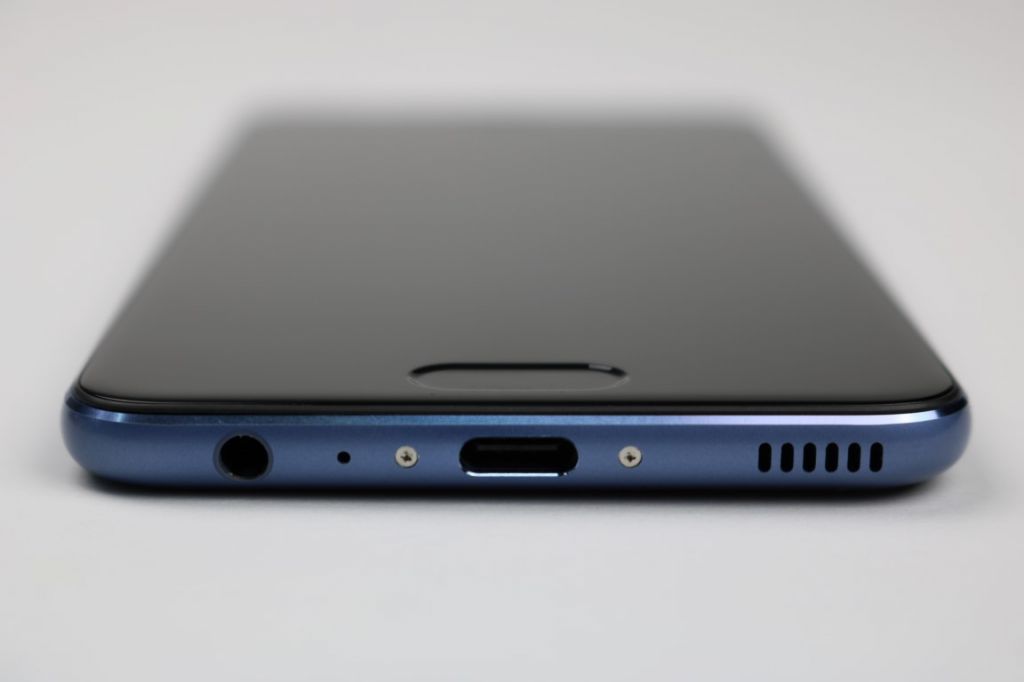
The list of connections of the P10 is complete. The device comes in two versions: SingleSIM and DualSIM. For the beginning, it is worth to mention that the P10 supports LTE networks. USB Type-C port was present in the P9 as well, but now the difference is that the P10 has USB version 2.0. 3.5mm audio port is also present, and in-ear headphones are shipped in the factory box alongside the P10.
List of wireless connections contains:
- WiFi (with HotSpot mode)
- BlueTooth v4.2
- A-GPS
- NFC
- DLNA
The only thing missing from the list of connections is the FM Radio.
Battery
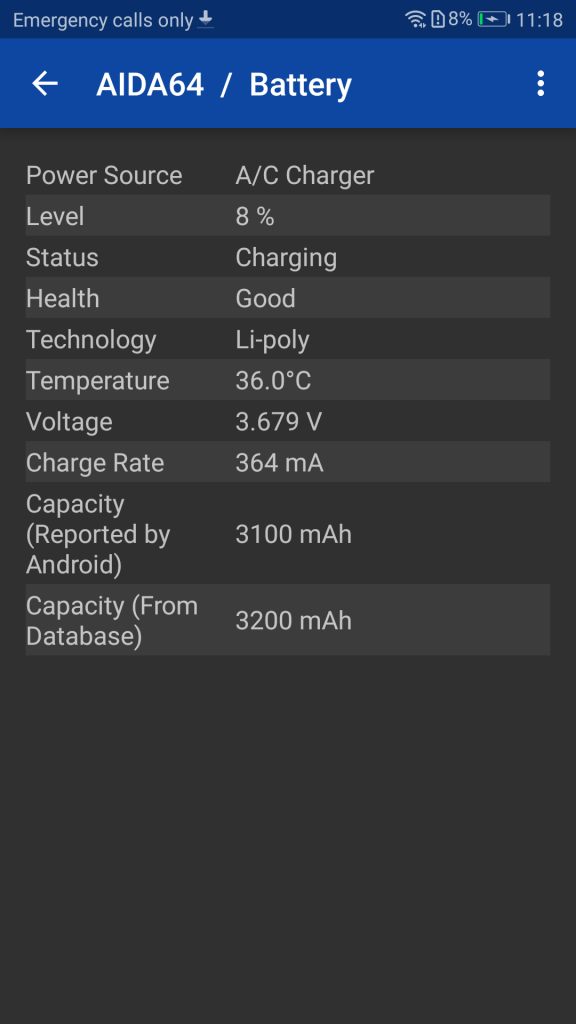
Battery has also undergone some improvements. It is still a Li-Ion battery which cannot be removed without opening the device. The capacity, this time, is 3200 mAh.
Results achieved with one full charge are:
- around 280 stand-by hours
- around 18 3G usage hours
This device supports quick charging and by using the original adapter and the USB cable which is shipped inside the factory box, half an hour charging will charge the phone up to 55%.
Final words
Huawei P10, or Mate 9 Mini as it might be called, showed great results in our tests. Improvements compared to the last year’s flagship are quite obvious and noticeable. New camera setup, bigger battery and a stronger chipset definitely are a good reason to switch your P9 for a P10. Alongside all listed advantages and disadvantages of the P10, the question remains whether it pays off to switch to the P10 if you’re currently using the Mate 9 or the Mate 9 Pro? The answer is no. Everything you already had a chance to see in the Mate 9 of the Mate 9 Pro is built into the P10.
Do you like the Huawei P10? We’d like to see your opinion in the comment section below. If you have any ideas or you would like to see a specific device being reviewed soon, feel free to let us know here or on our Facebook page. If you liked this review, subscribe to our Youtube channel, like us on Facebook, and sit back and relax while we make more of the same for you.
Huawei P10 Full Specifications