Introduction
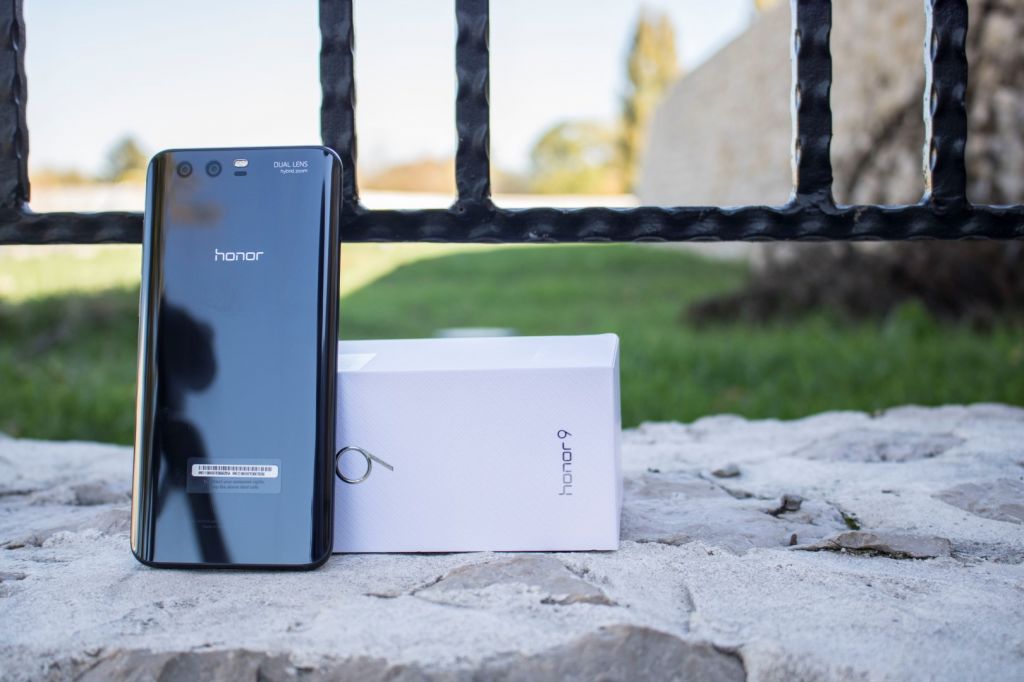
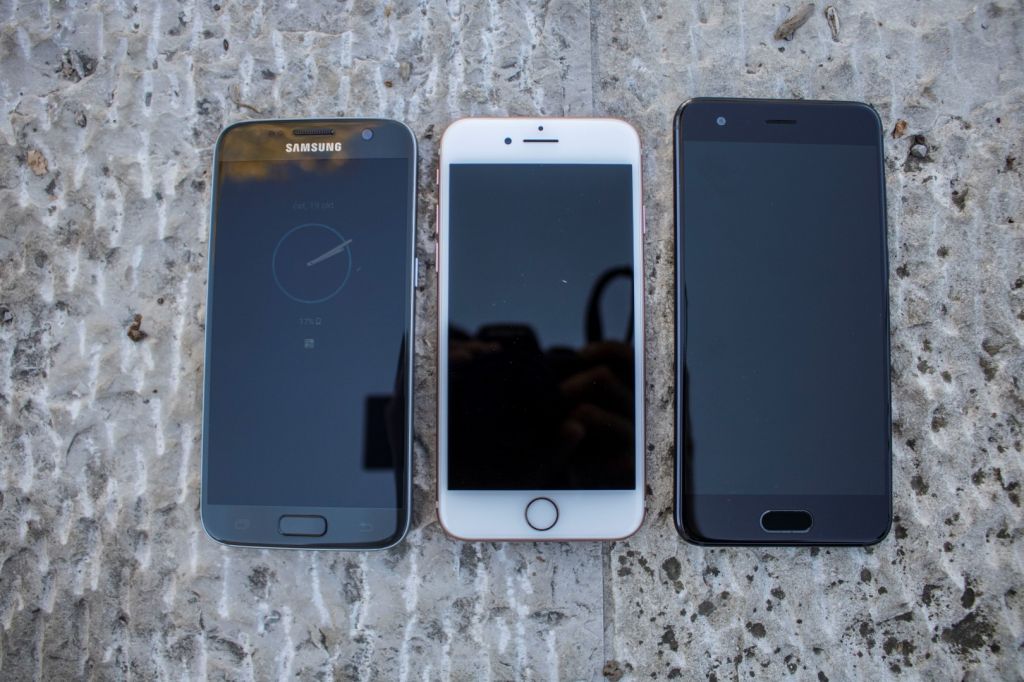
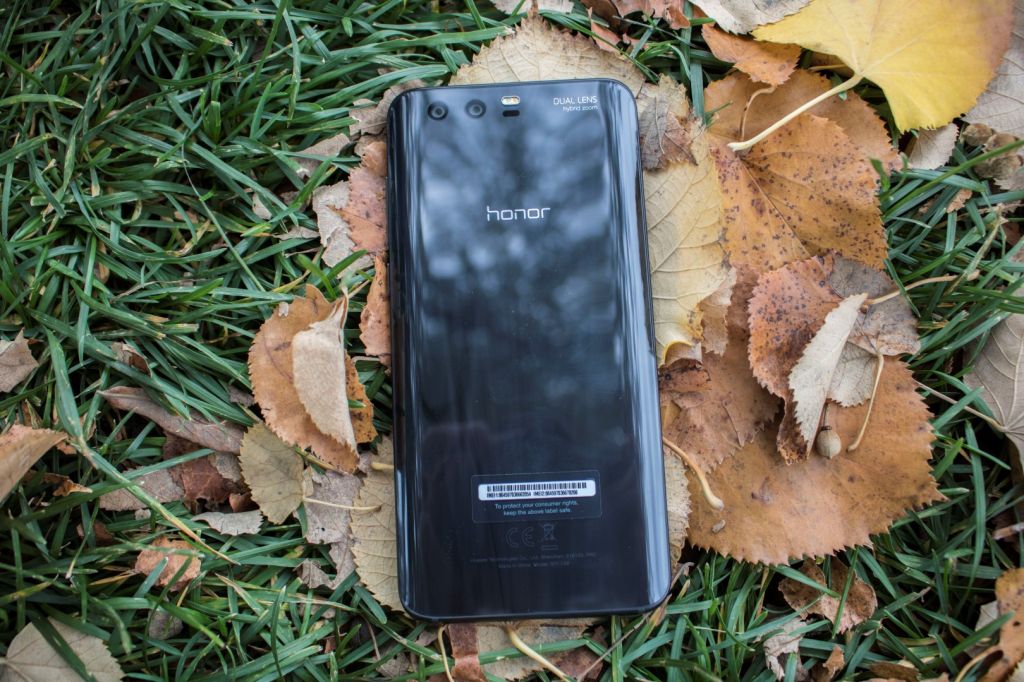
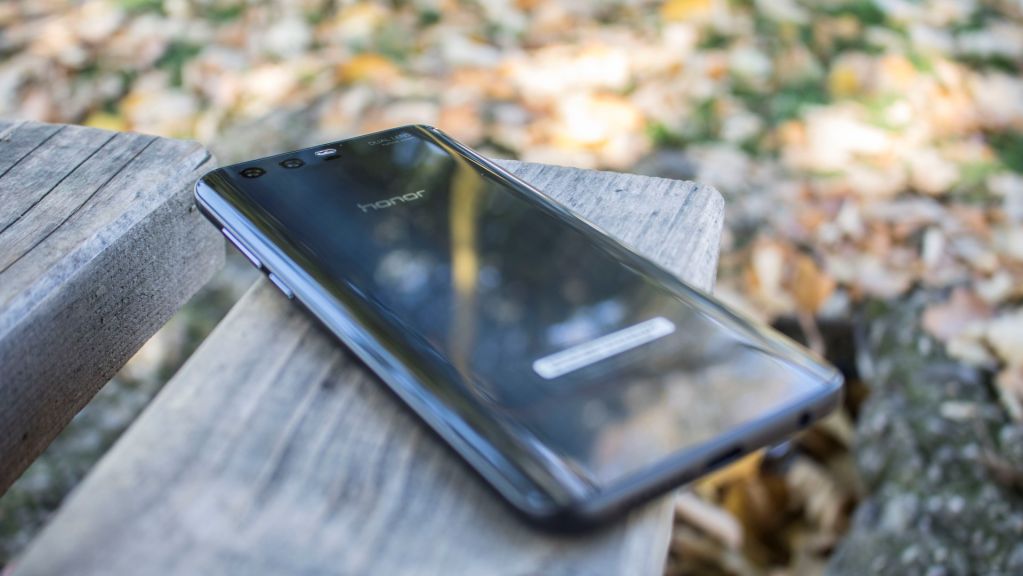
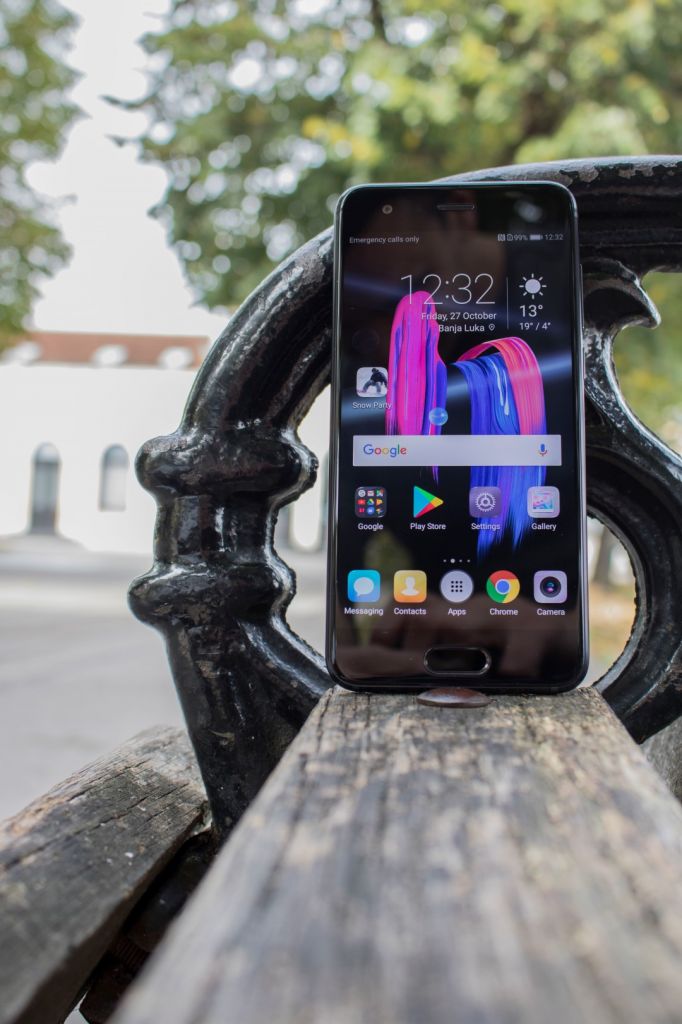
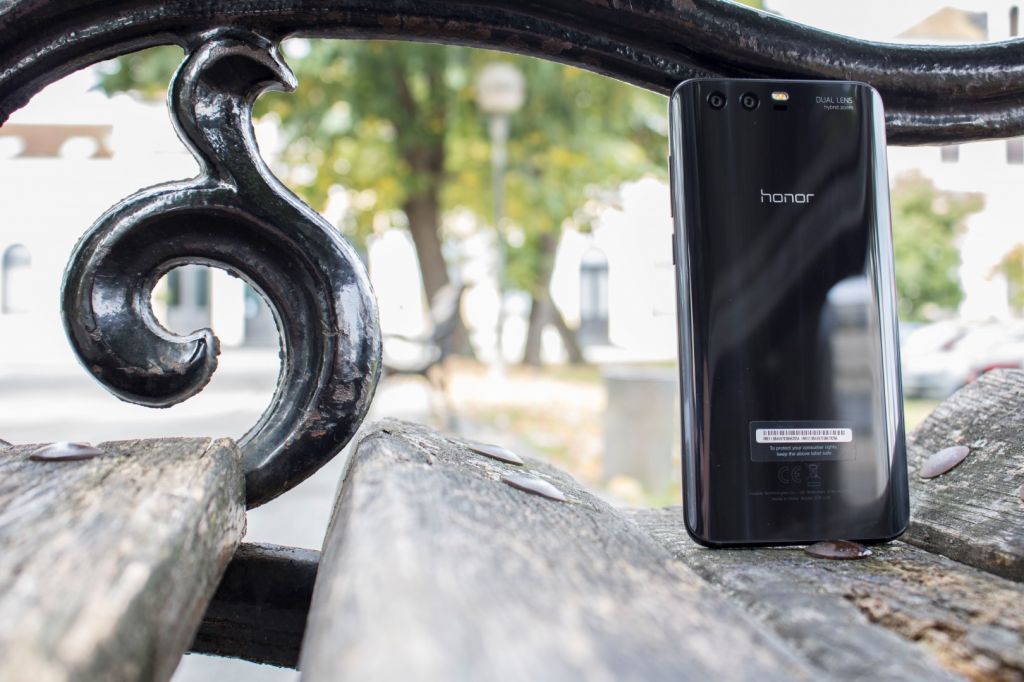
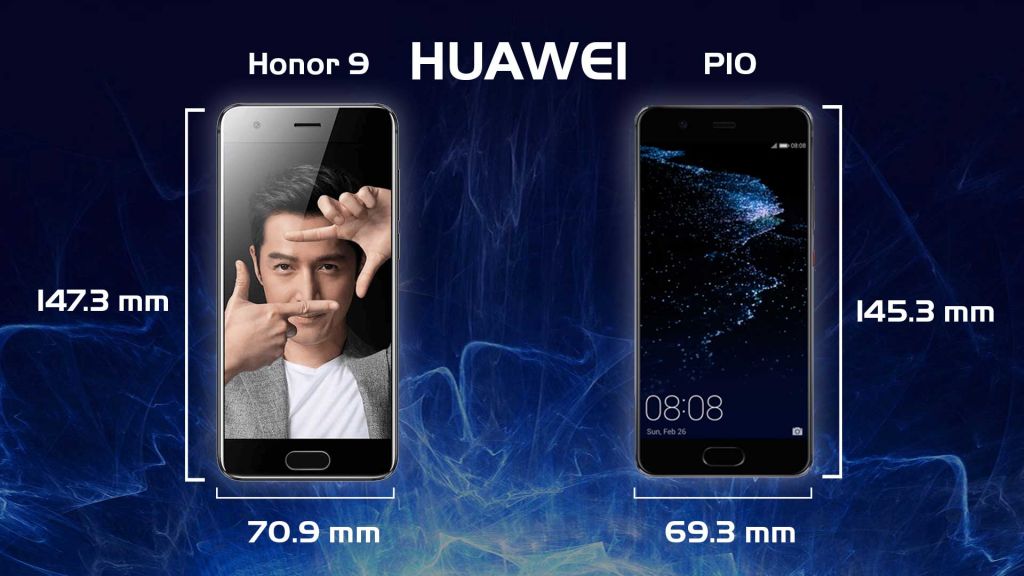
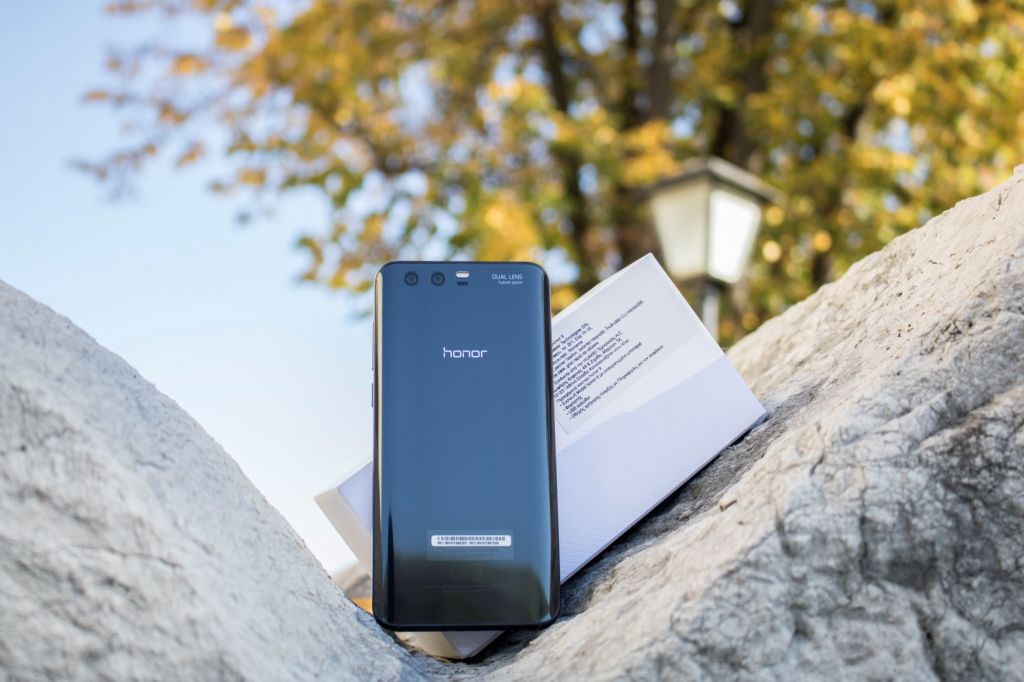
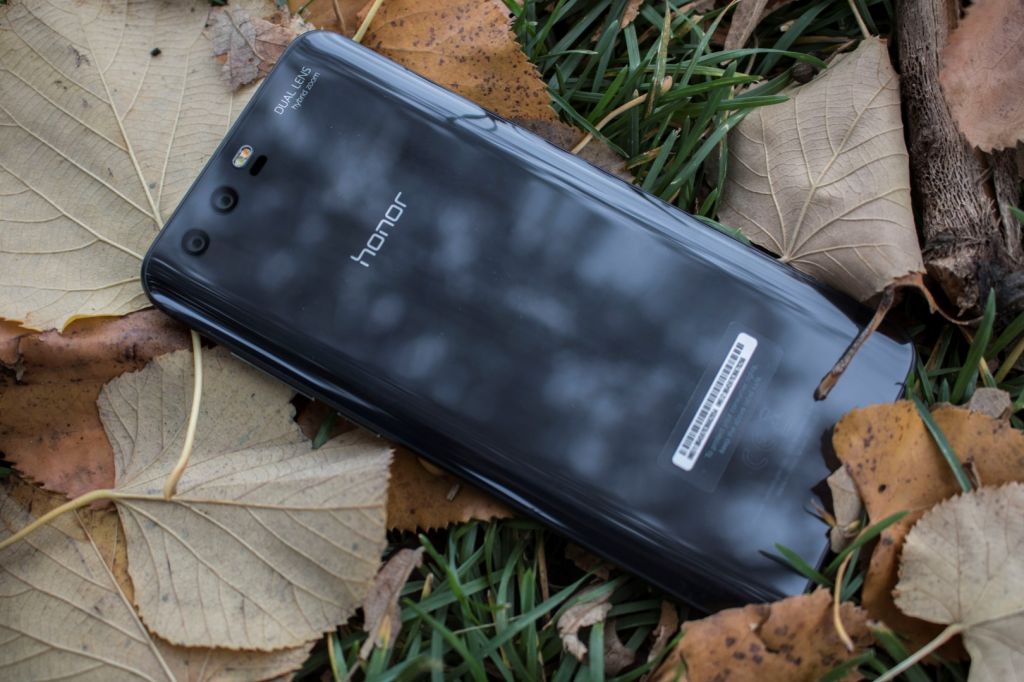
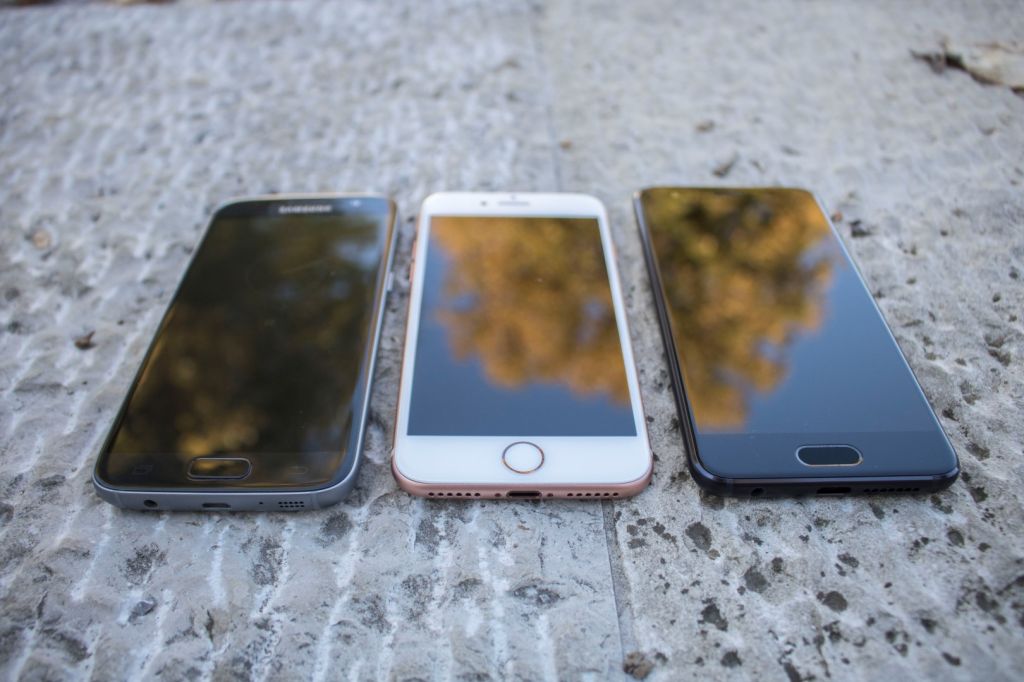
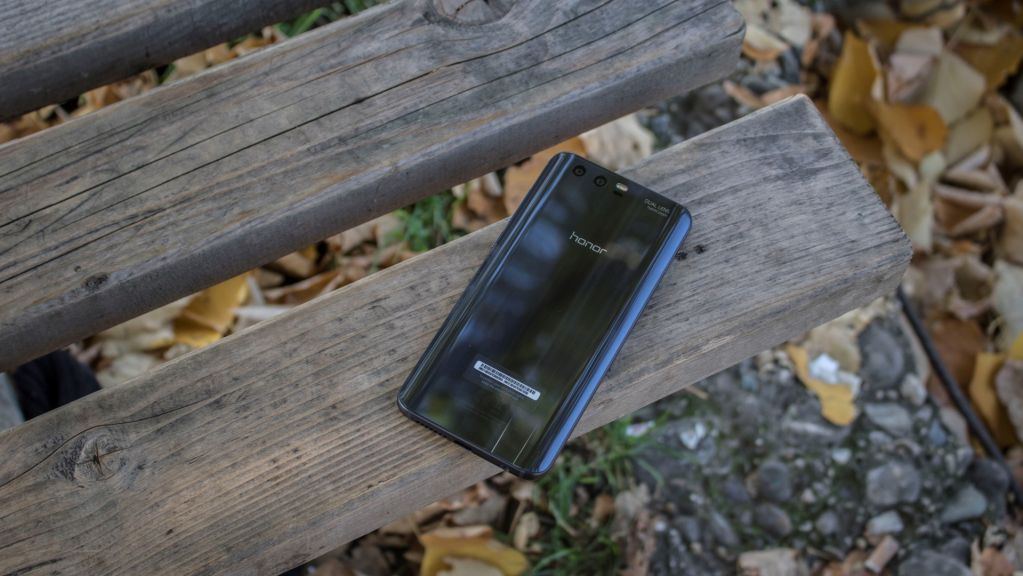
Today we’re testing another device from Huawei family! Huawei is known as one of the first manufacturers to have implemented the double camera setup in their devices, which was followed by other manufacturers as well, and now we can see this more and more often, even in the middle class devices. First such device was the P9, which stepped into the market with outstanding camera sensors for the time, one of which was RGB (color) and the other one was monochrome (black and white). The main advantage of this setup were far better results when taking photos in low light environments. This was also the first time we could see the Live-Bokeh effect, which was only improved in subsequent models. Its successor, the P10, had a similar approach to the cameras, but it had a 20MP monochrome sensor. Today we’re testing the Honor 9 which is very similar to the P10, but still offers completely new user experience with its amazing design and very good display. There is the same chipset, same camera setup and only slightly bigger display. The main difference is in the background glass which is curved towards the edges which brings a completely new feel to the device. Dimensions are more or less the same: Honor is only 2mm higher compared to the P10, it is 1.5mm wider and 0.5mm thicker.
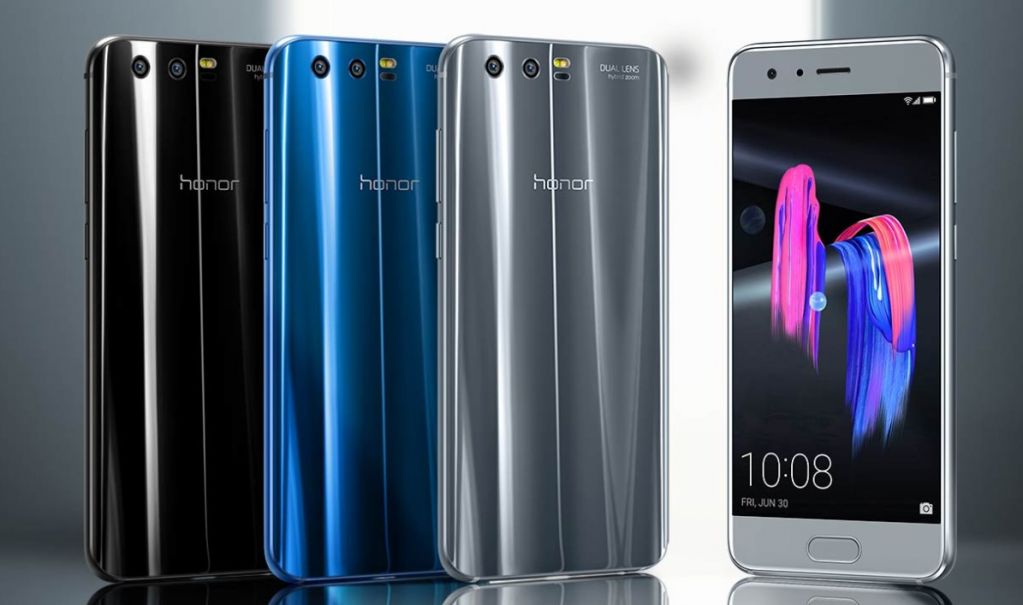
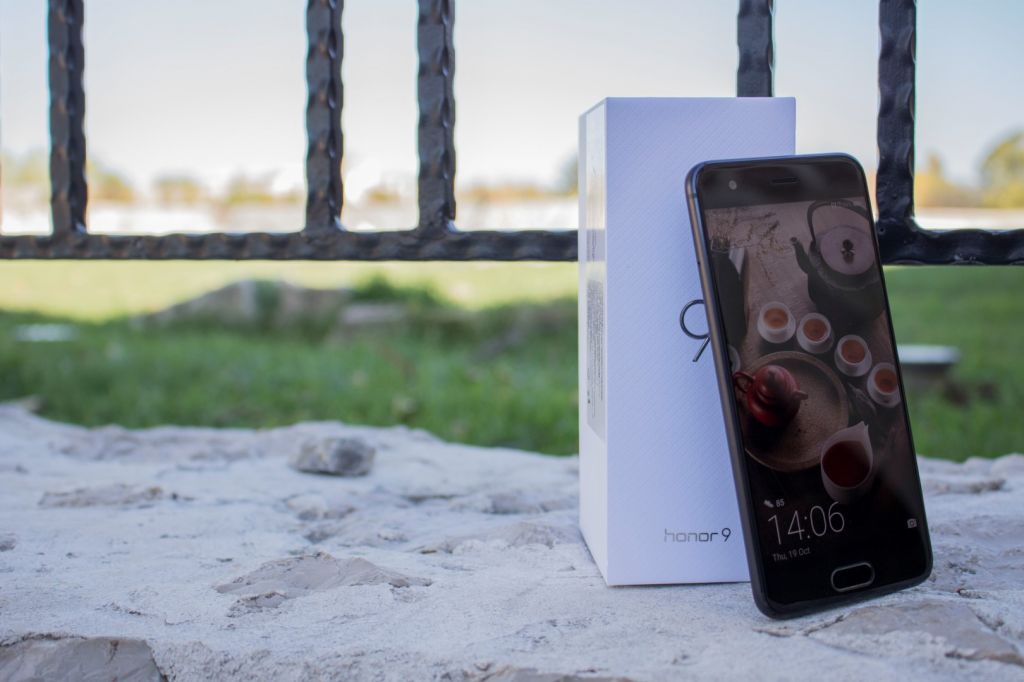
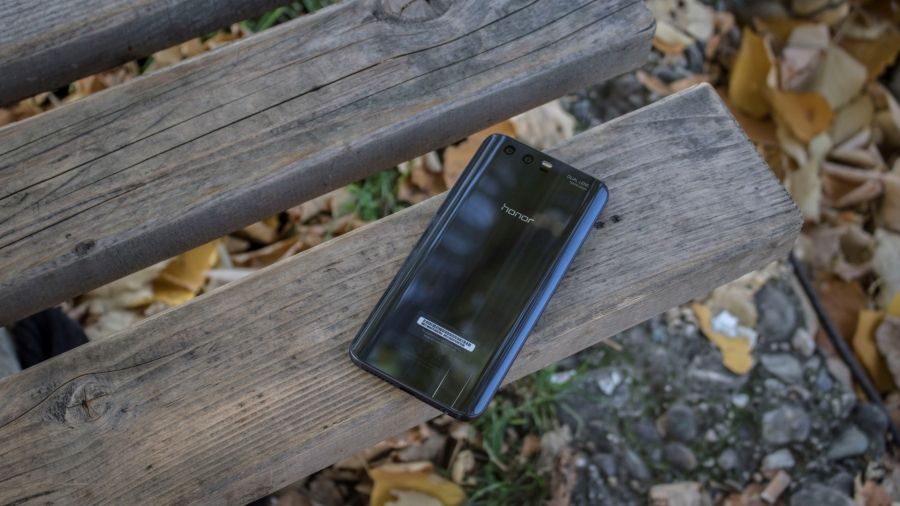
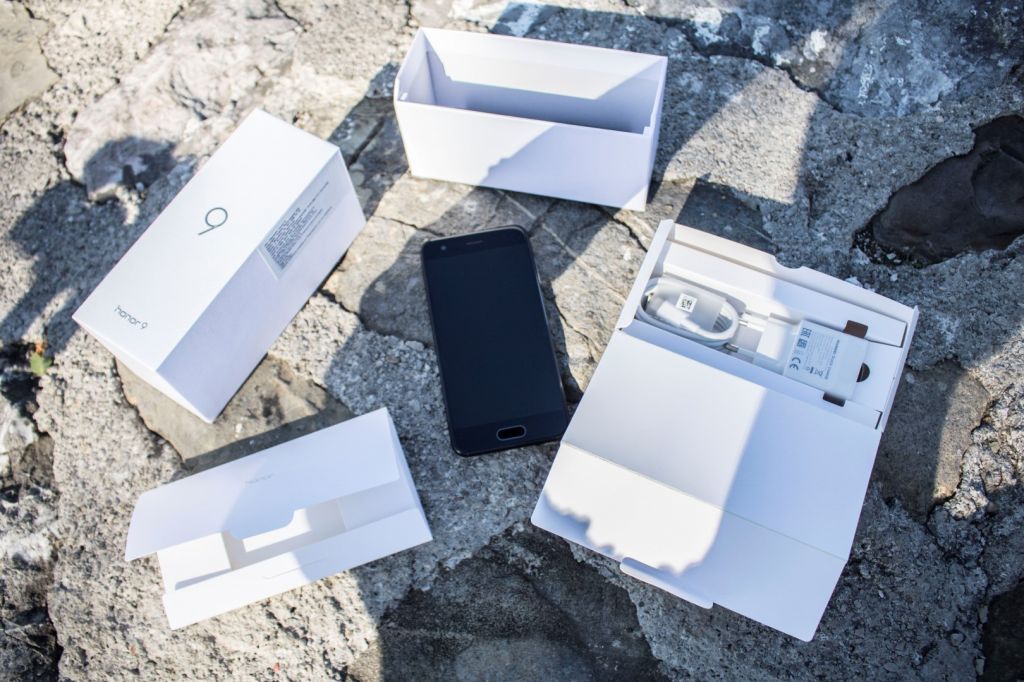
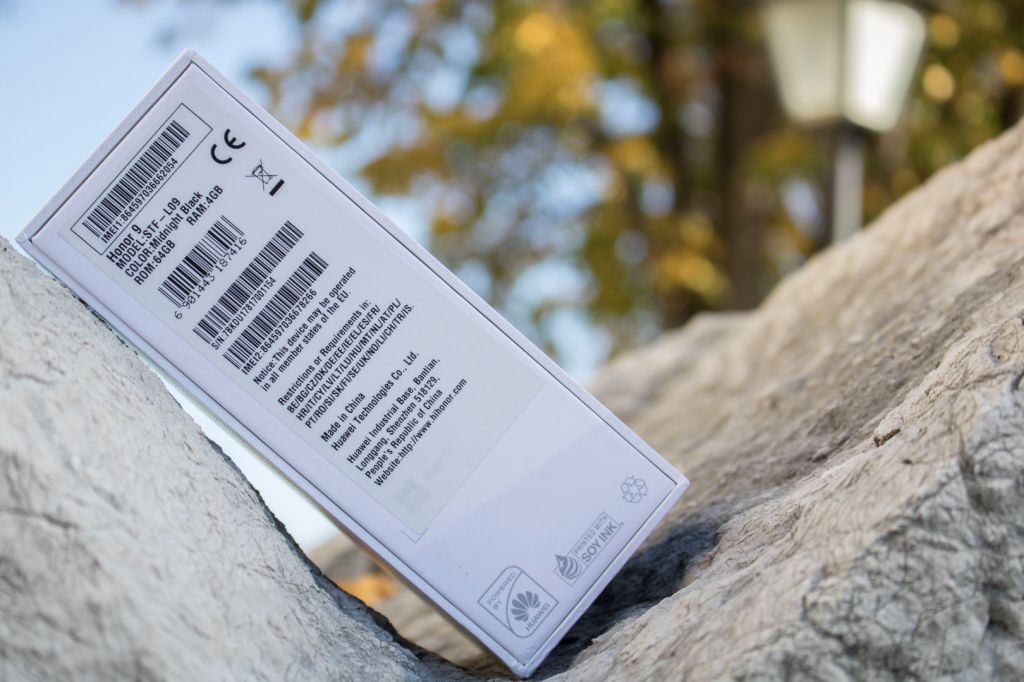
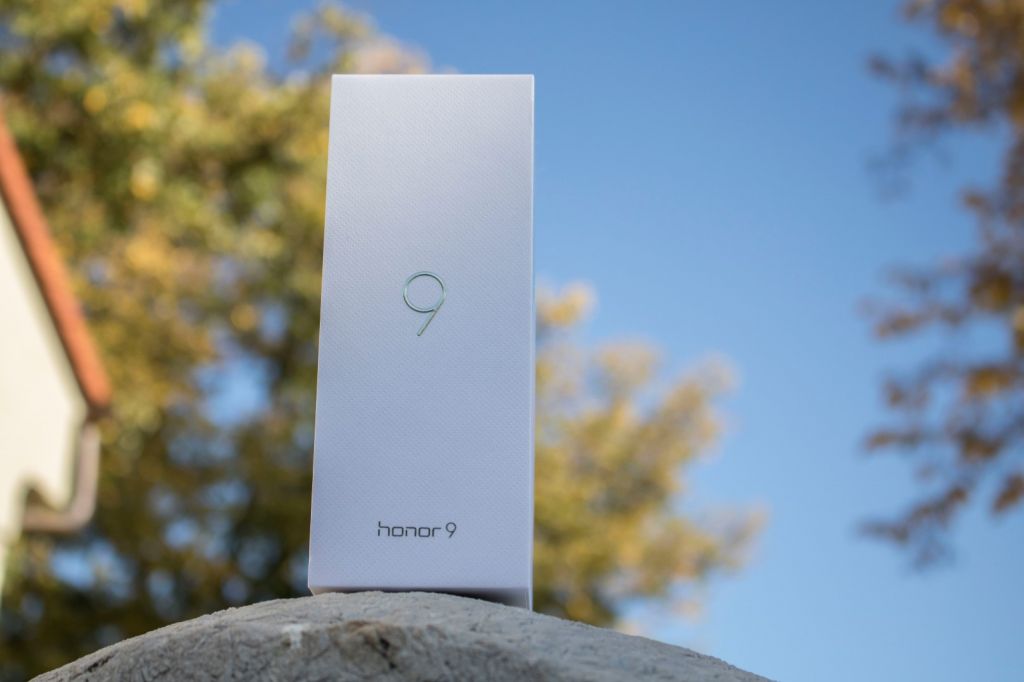
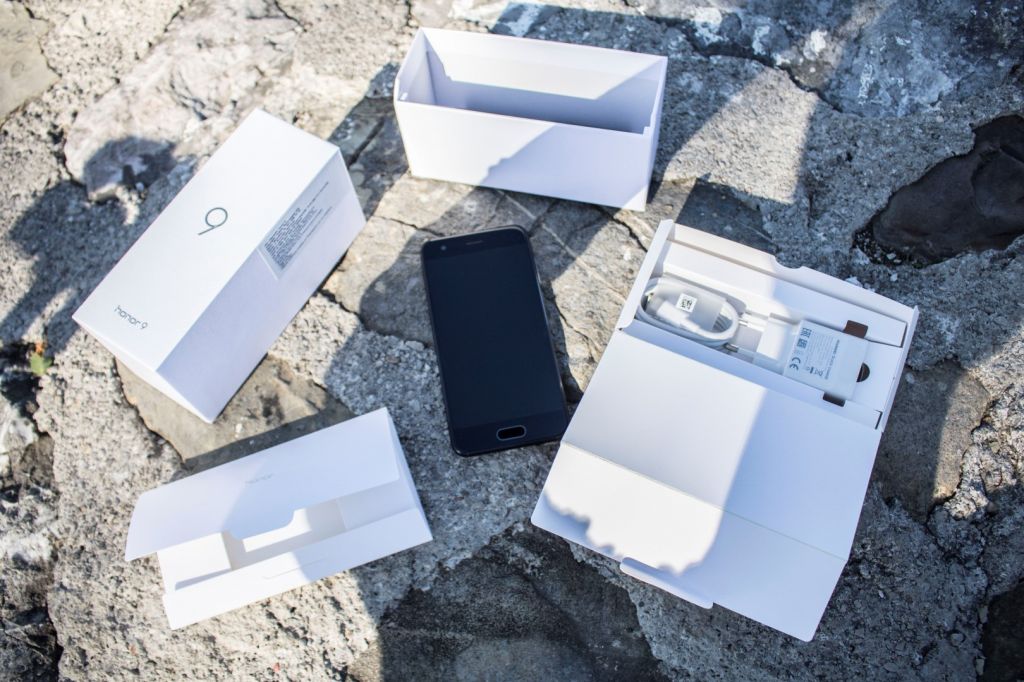
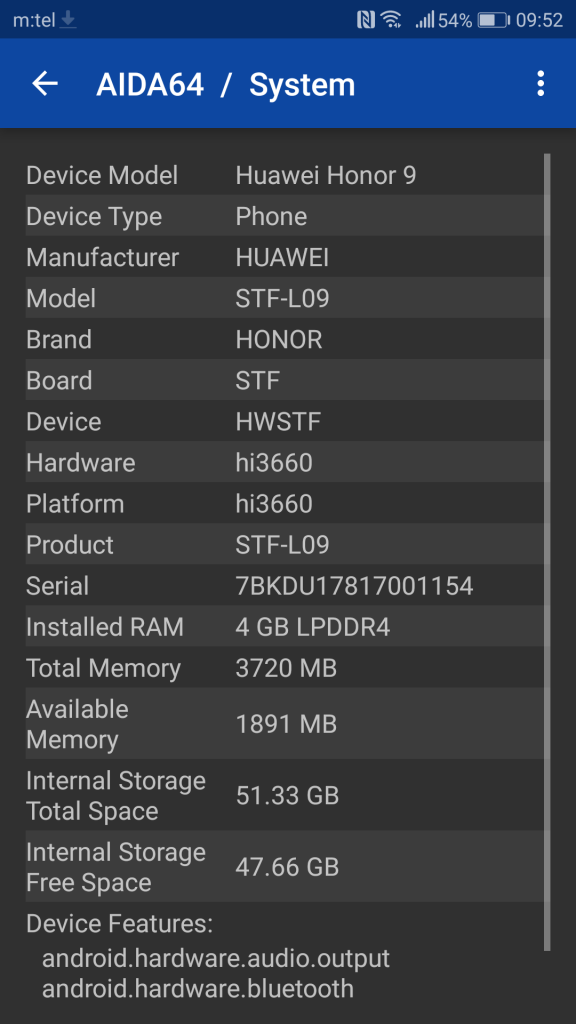
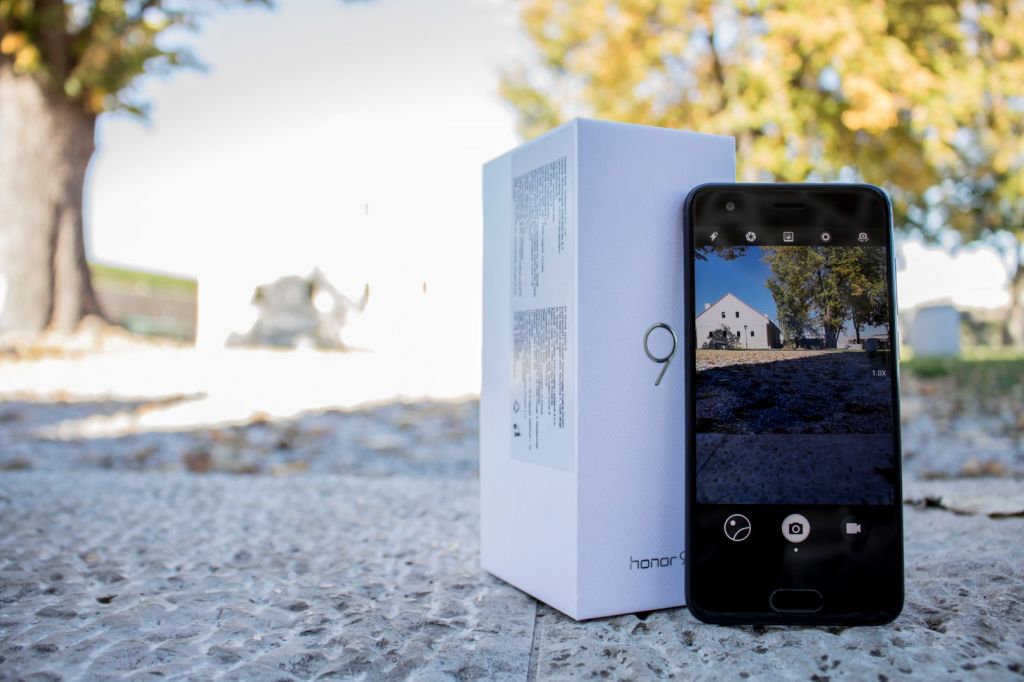
There are two memory configurations which sets apart the Honor 9 from the P10, which only had a 4GB RAM option. Inside the factory box we can find: Huawei fast charger, Type-C USB cable, user manuals and a SIM tray tool. Although it does have the 3.5mm headphone port, you won’t find any headphones inside the factory box. Our version, the STF-L09, comes in Midnight Black color option, but next to it there are: Glacier Gray, Sapphire Blue, Gold, Blue Bird and Robin Egg Blue. Let’s now check out together what the Honor 9 brings us.
Video review
Unboxing
Display
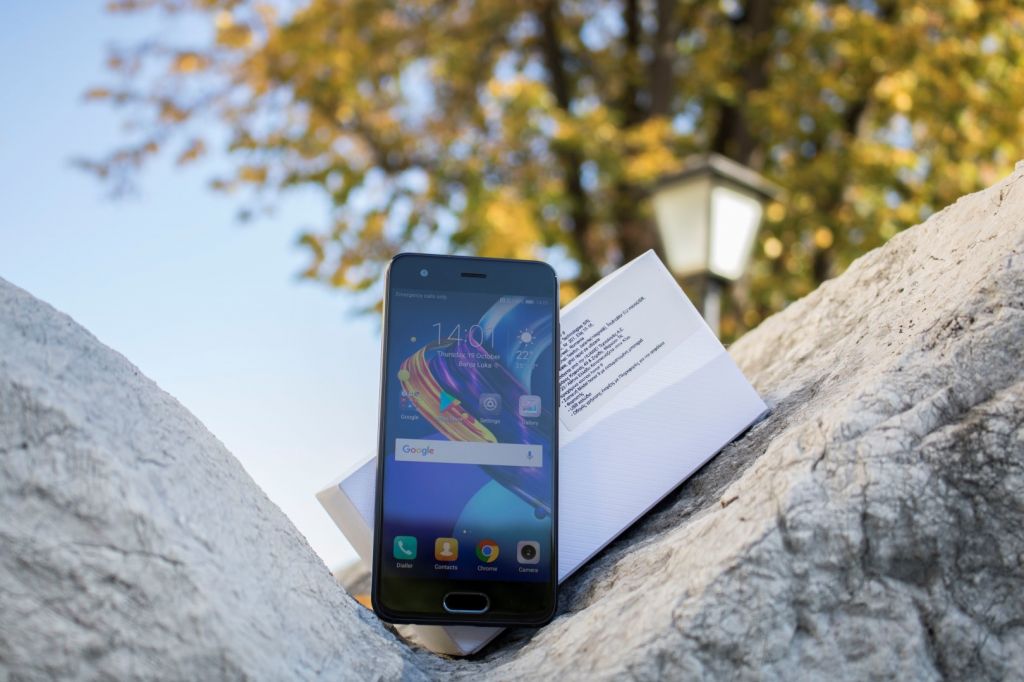
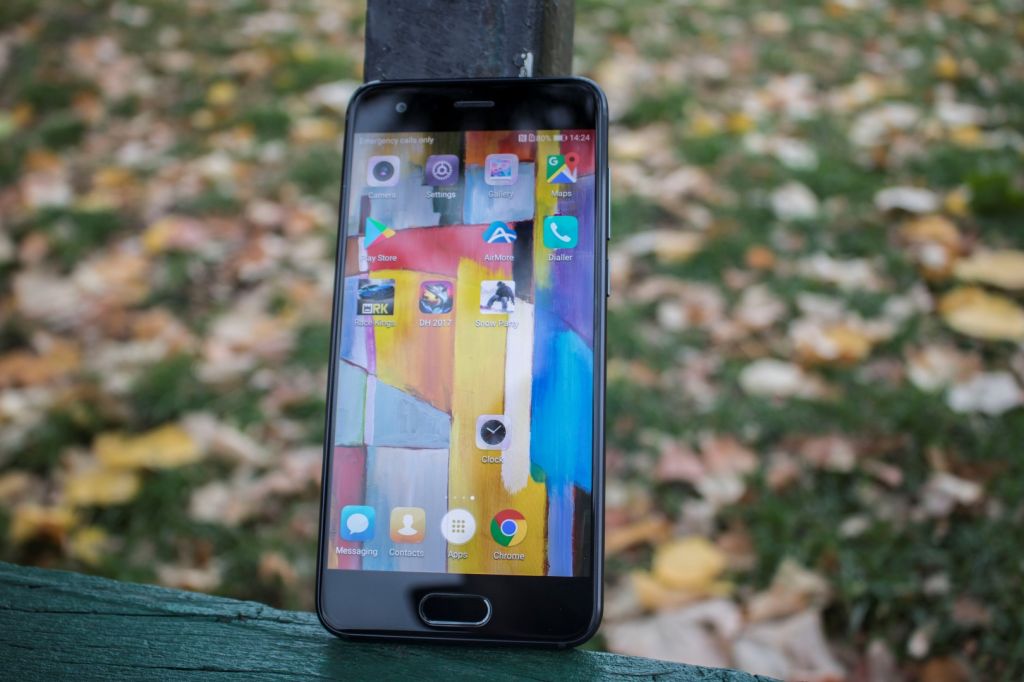
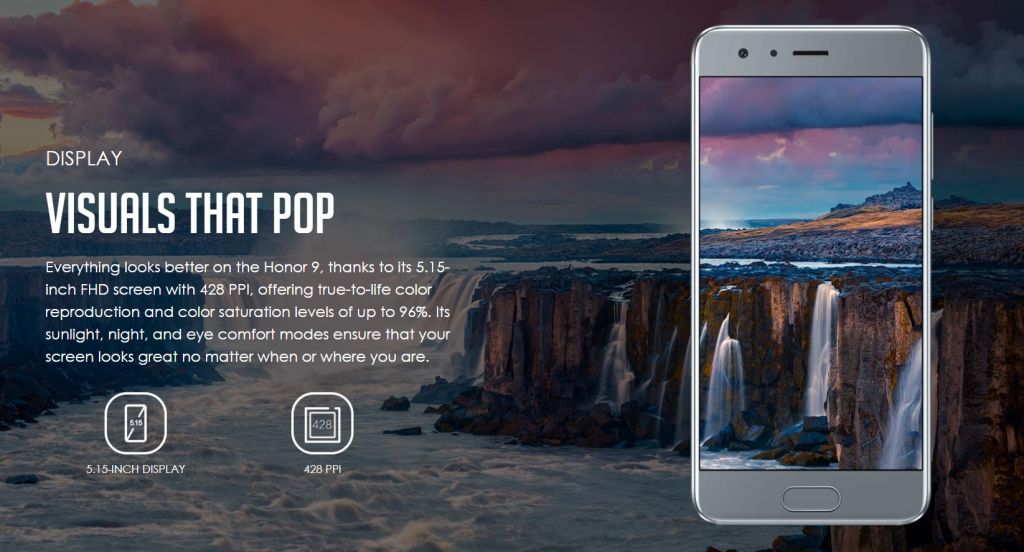
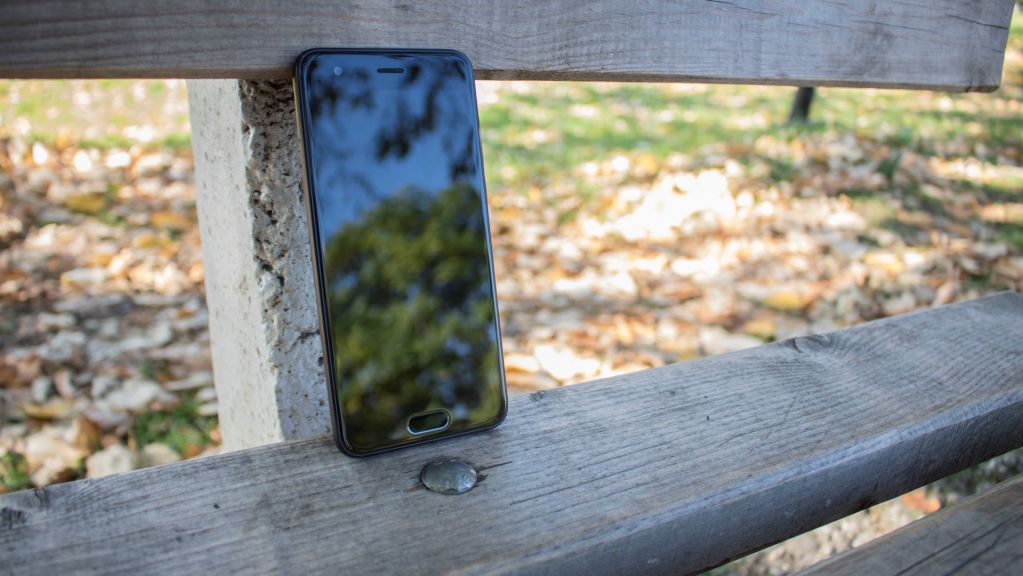
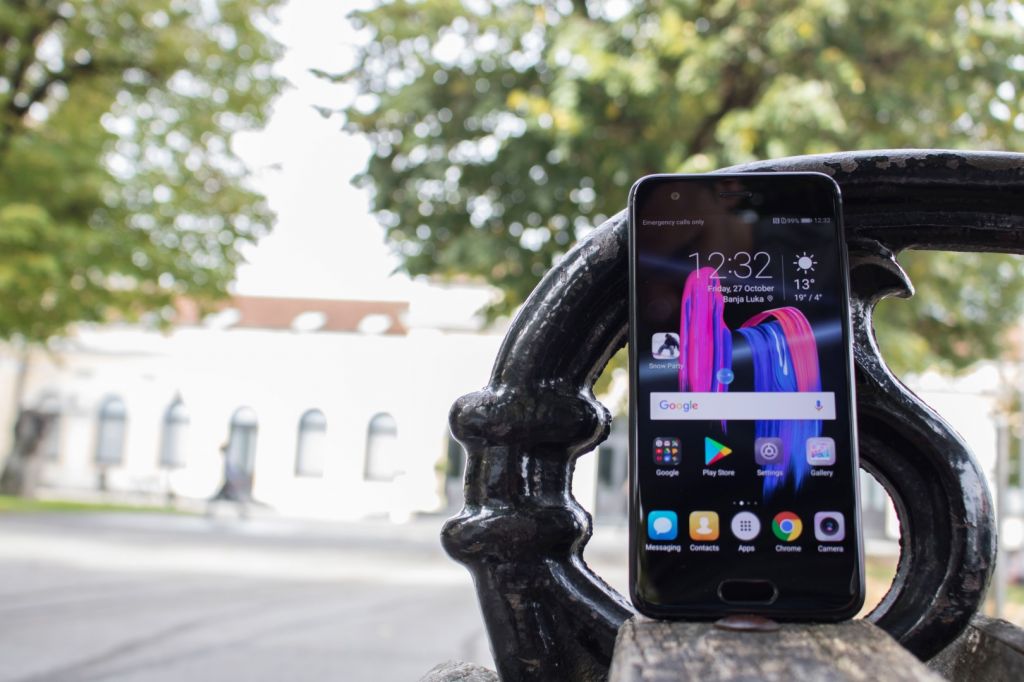
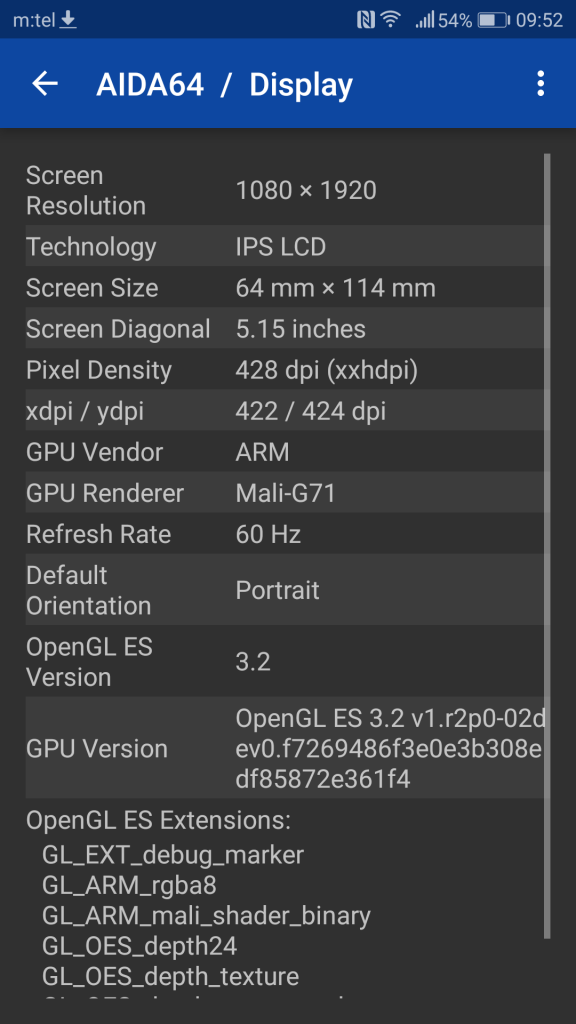
Huawei made us used to having amazing displays which don’t fall behind the leading manufacturers such as Samsung, LG, Sony, etc. In the Honor 9 we have just a bit bigger display compared to the one in the P10. It is a 5.15” LTPS IPS LCD display, which compared to the traditional IPS panel guarantees greater pixel density, lower battery consumption as well as better views overall. Panel is in FullHD (1920 x 1080 pixels) resolution, and combined with this diagonal it results in 428 PPI. The display covers exactly 70% of the front panel, which makes the device pretty compact. The display can show up to 16 million colors, and it is protected by Corning Gorilla Glass 3, which is a downgrade from the P10 which had the 5th generation of the protection glass built in. The views are excellent. The sharpness is on par with the leading devices although this is “only” a FullHD display in the era of QHD and 4K displays. Colors are well saturated, while the minimum and maximum brightness levels are very good.

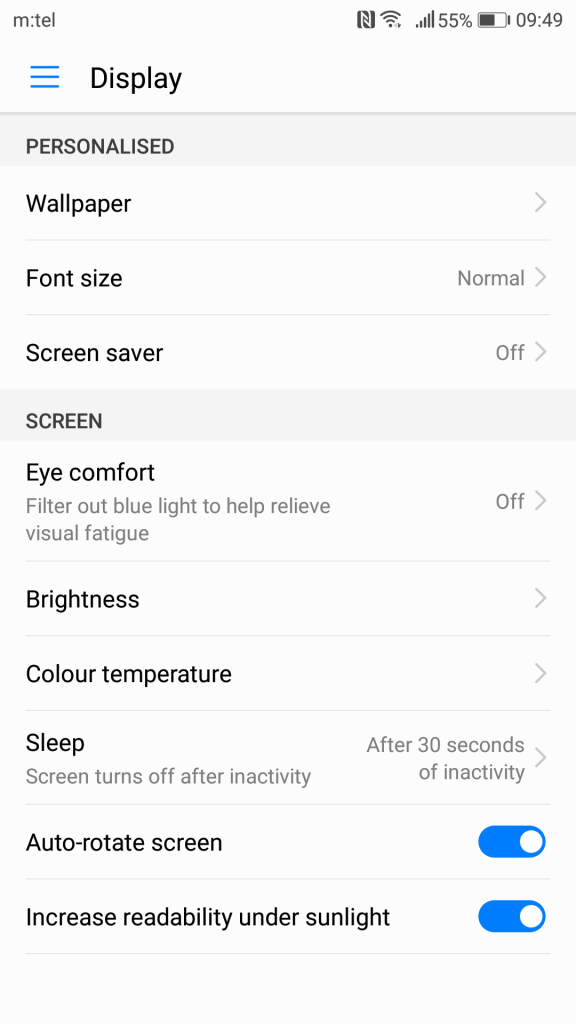
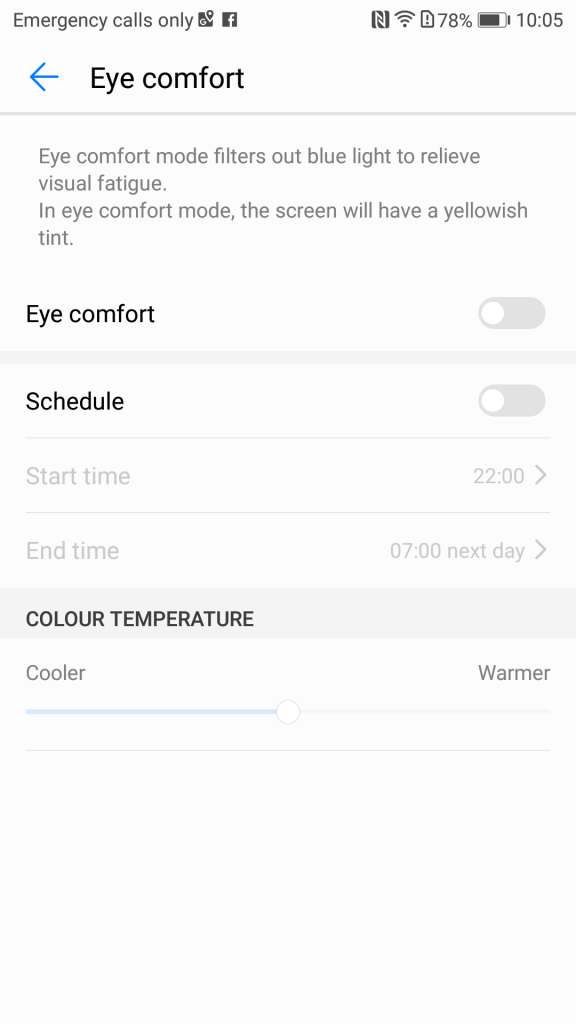
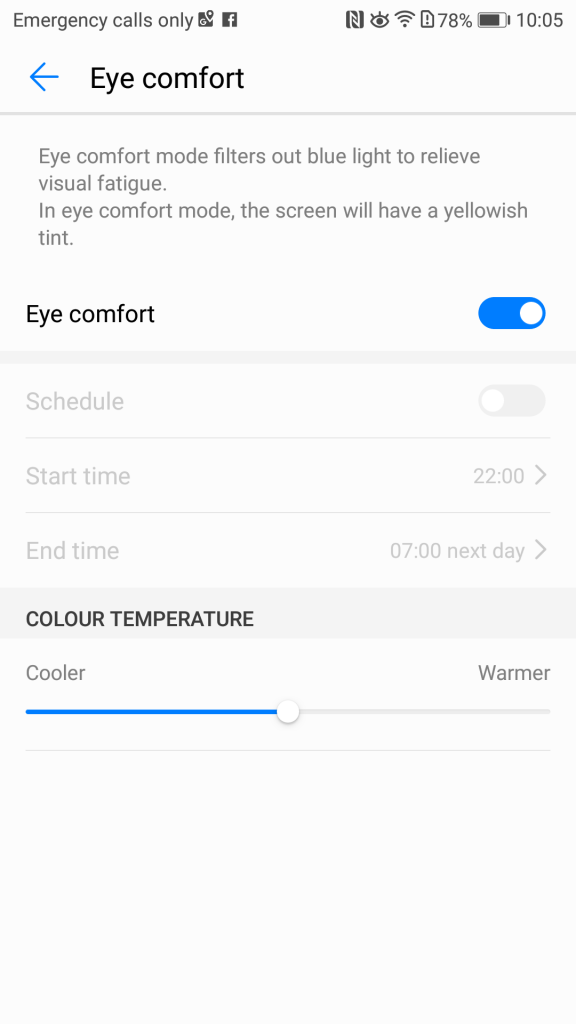
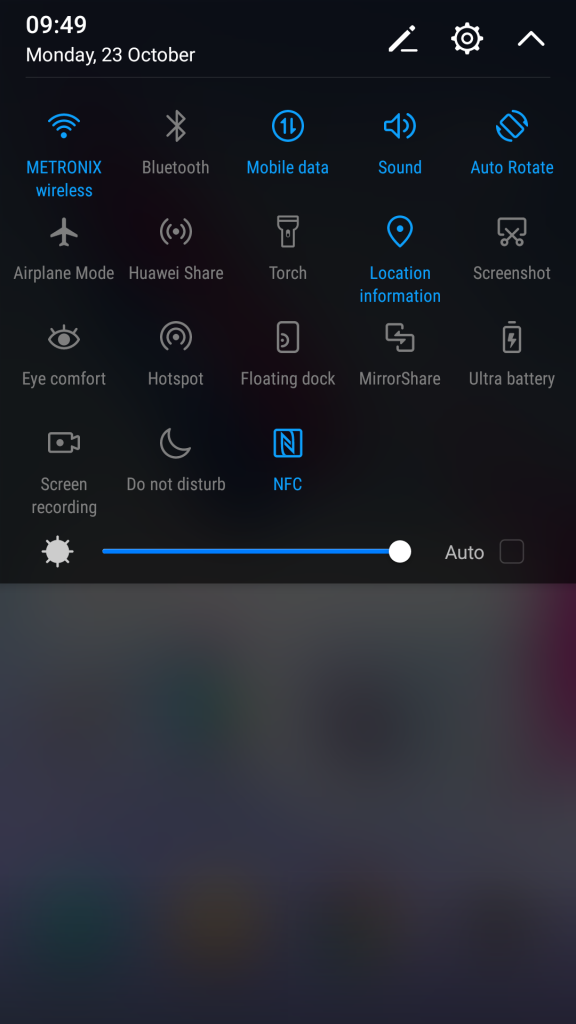
It is worth to mention that we have a brightness sensor on our disposal, which does an amazing job automatically adjusting brightness values. Inside the Settings menu there are also options to adjust the temperature of the display, which is actually a very nice touch, and serves to tailor the display of the Honor 9 to your own needs. Eye Comfort mode is also an excellent addition which reduces the stress on the eyes during use, and when using it, the display will get a yellowish hue. You can also set up the timing for the Eye Comfort. Visibility on the sunlight is great, and there is a mode to even further increase it. All in all – more than just a solid setup that decorates the Honor 9.
Hardware and OS
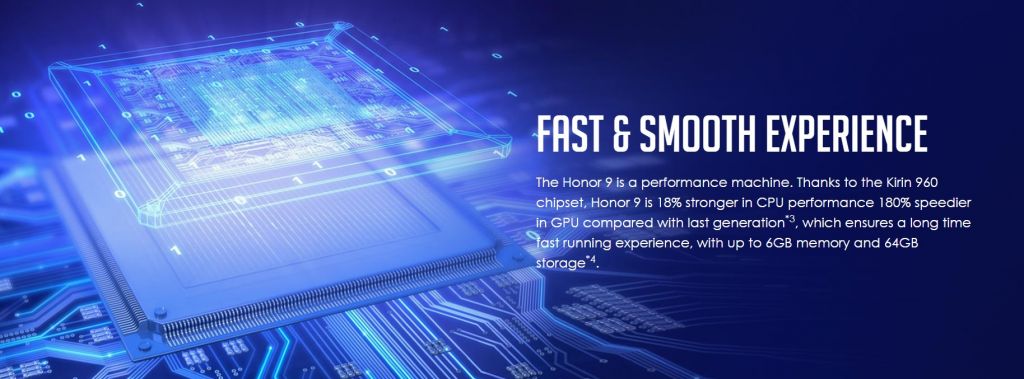
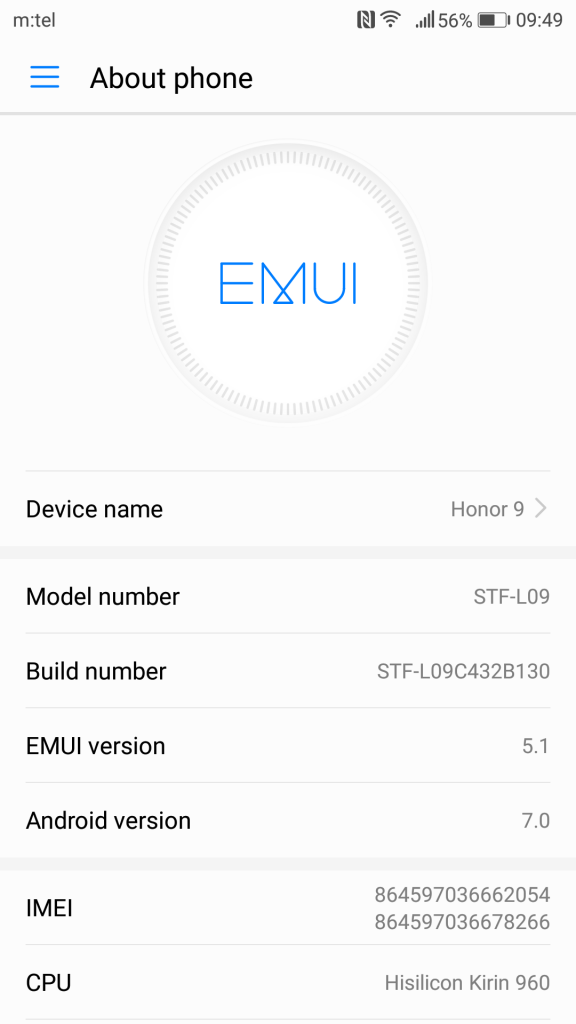
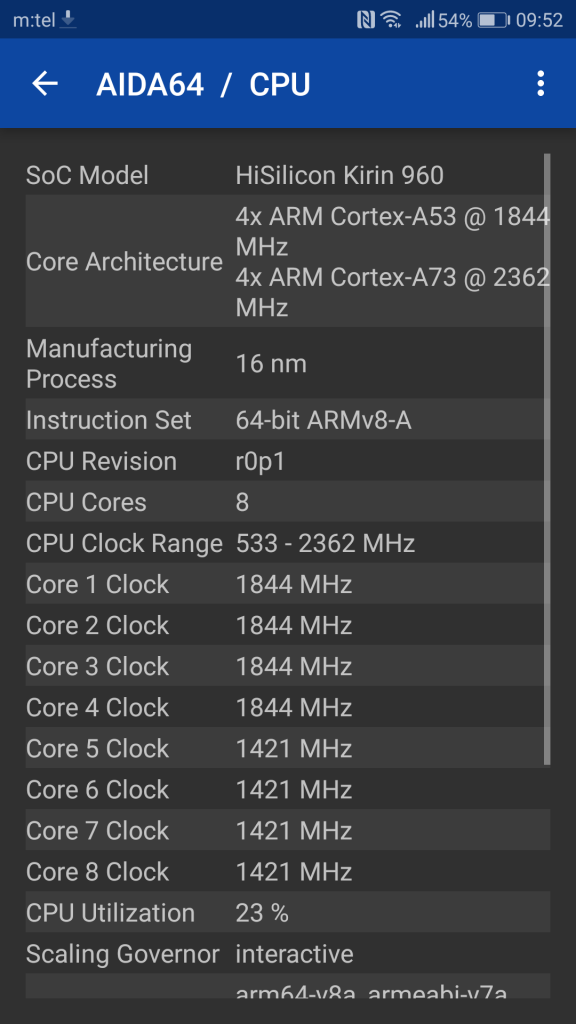
As we have mentioned, we can see the same chipset here as it was in the P10 – the Kirin 960. It is completely the same chipset, and it was developed by HiSilicon that is owned by Huawei. We have had a chance to see some pretty good CPUs developed by HiSilicon, but the GPU never succeeded to impress. Huawei, in fact, did think about the GPU in this chipset. But, let’s start from the beginning. This chipset is consisted out of an octacore CPU, cores of which are divided into two clusters with 4 cores each. Four stronger Cortex-A73 cores are clocked at 2.4 GHz, and they are used for high demanding tasks, while four Cortex-A53 cores clocked at 1.8 GHz are used in everyday tasks. The P9 also had a Kirin chipset, but its quadcore GPU simply wasn’t up to the challenge. This time we have a far better setup, since we have an octacore ARM Mali-G71 MP8 GPU, which is a new generation GPU.

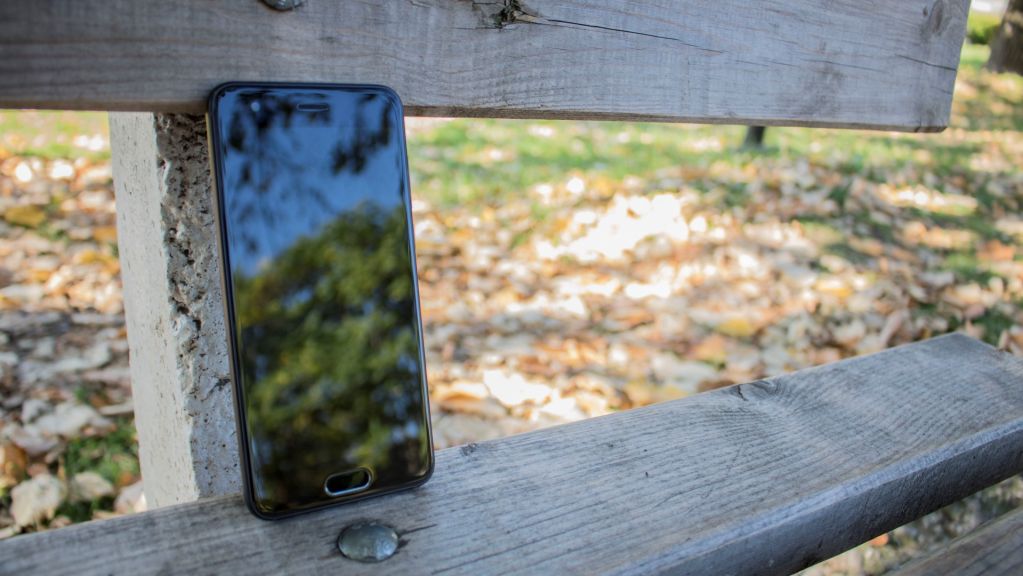
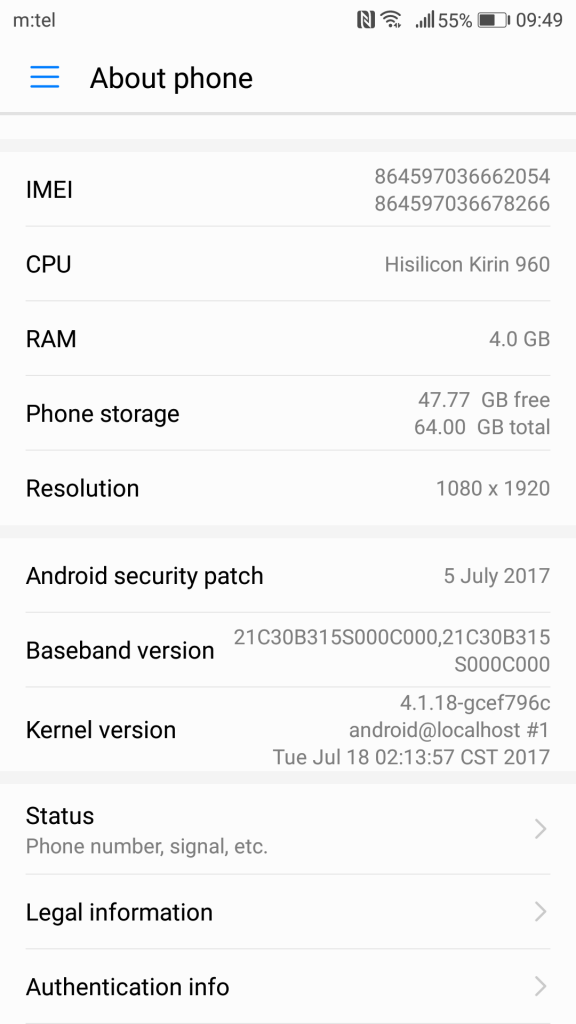
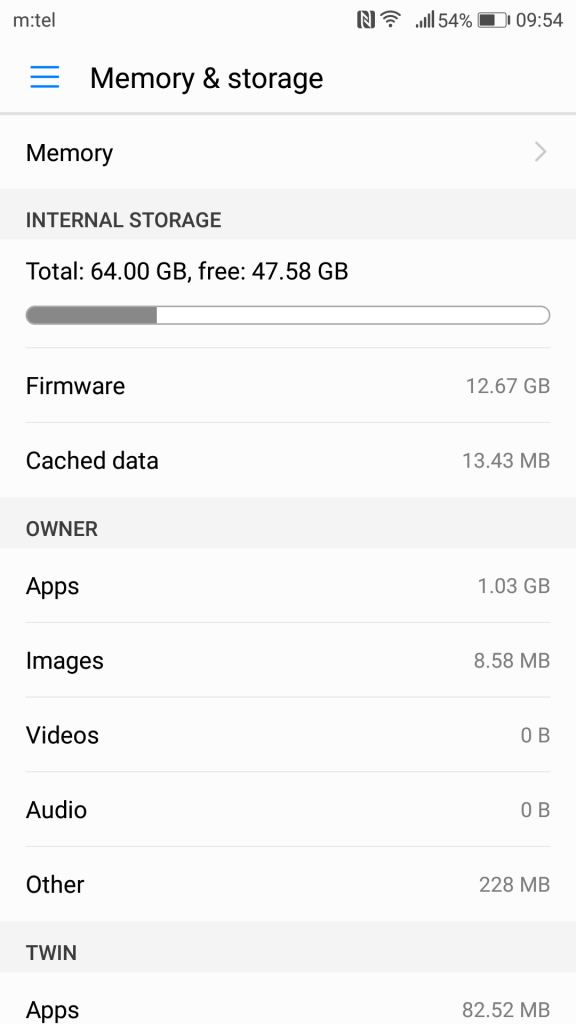
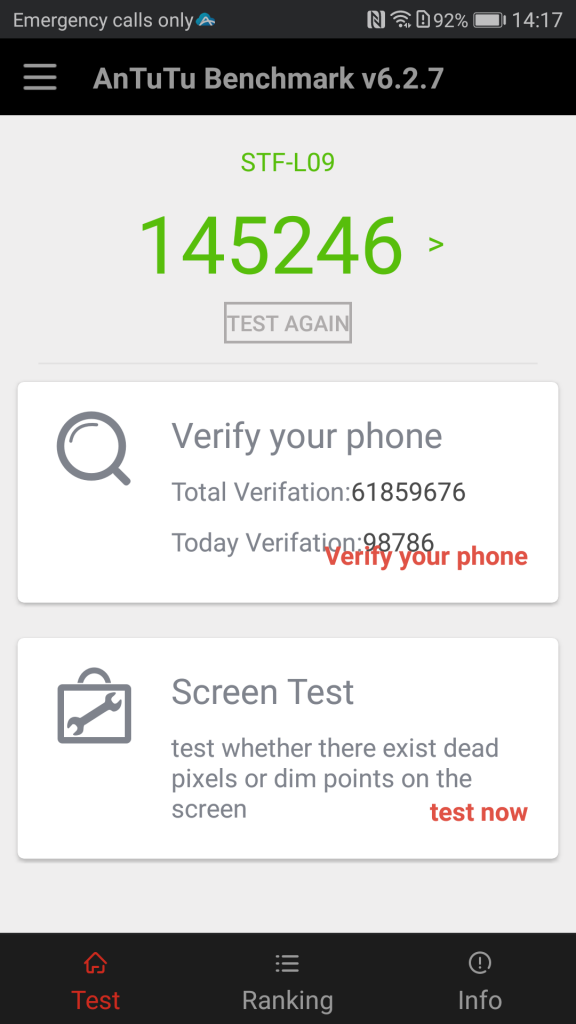
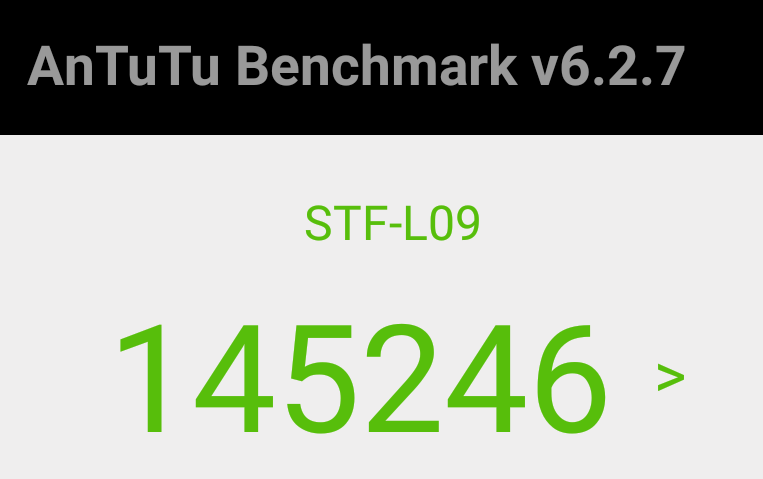
Considering the FullHD resolution of the panel, the GPU is perfectly capable of executing any transition, material reproduction or 4K material, and it can easily run any 3D game. The high class of the device has set a new standard regarding memory setup – 4GB of RAM and 64GB of storage – and we find it here as well. An advantage compared to the P10 is a memory option with 6GB of RAM and 128GB of storage. An excellent news is a microSD card slot which supports expansions up to 256GB. The device runs very smoothly with no lag at all. Overheating is kept within normal limits, and only a slight slowdown is noticeable during executing very high demanding 3D games. The fingerprint scanner is placed on the front side of the device, implemented into the HOME button, and next to it we have two capacitive buttons – BACK and MENU. The unlock speed through the fingerprint scanner is comparable to the P10, meaning – it is lightning fast. On the AnTuTu Benchmark, the Honor 9 scored 143114 points.

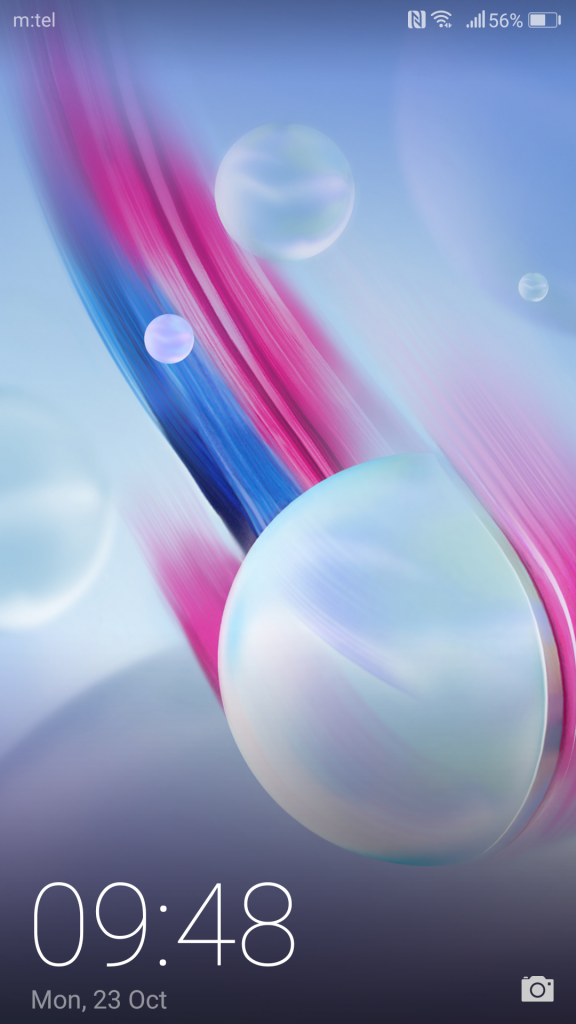
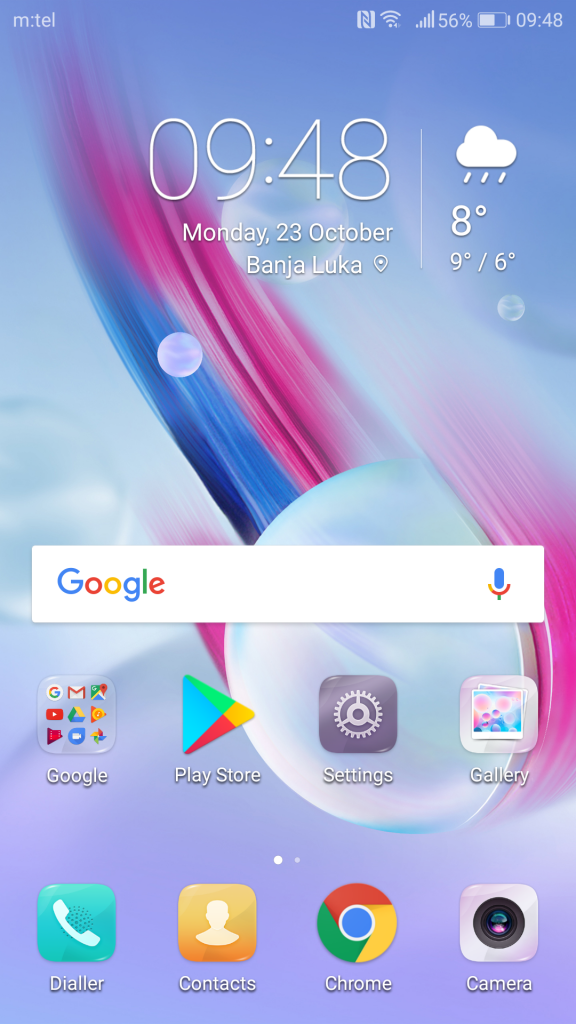
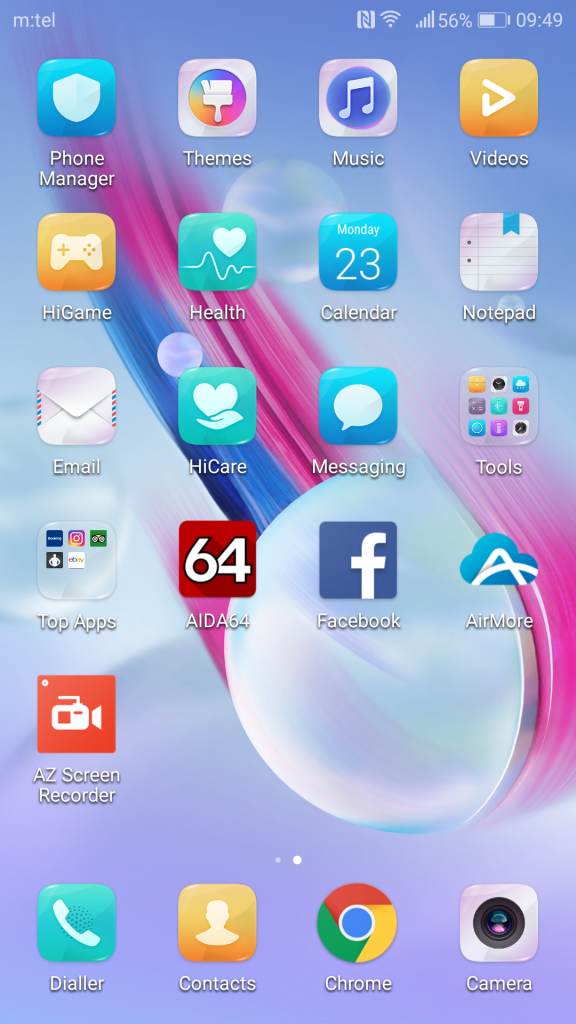
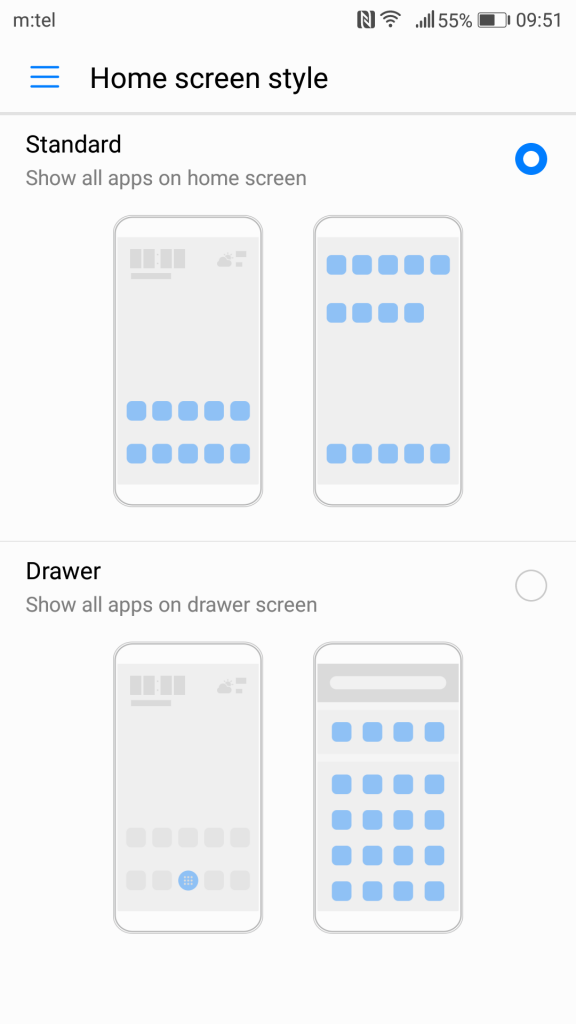
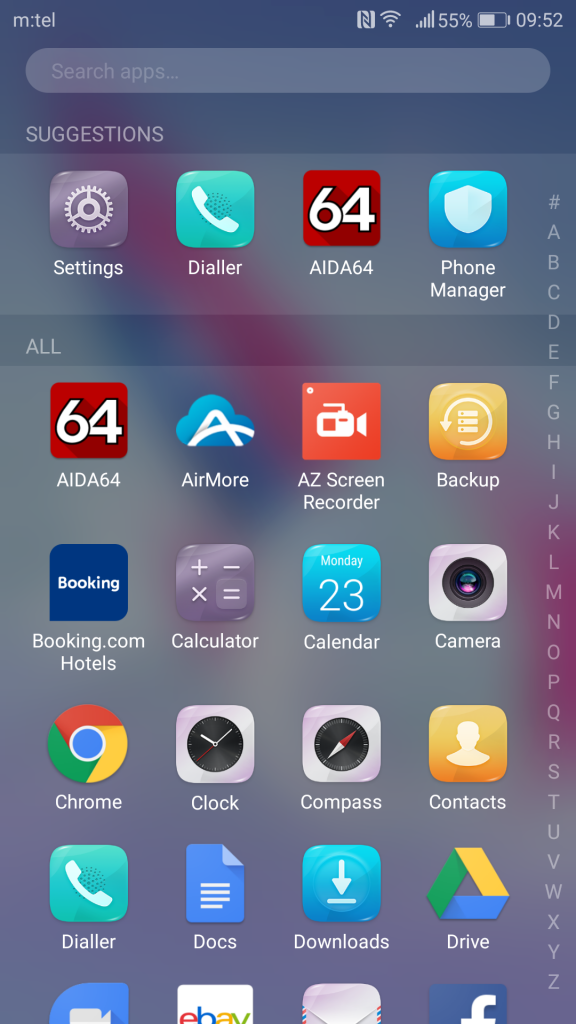
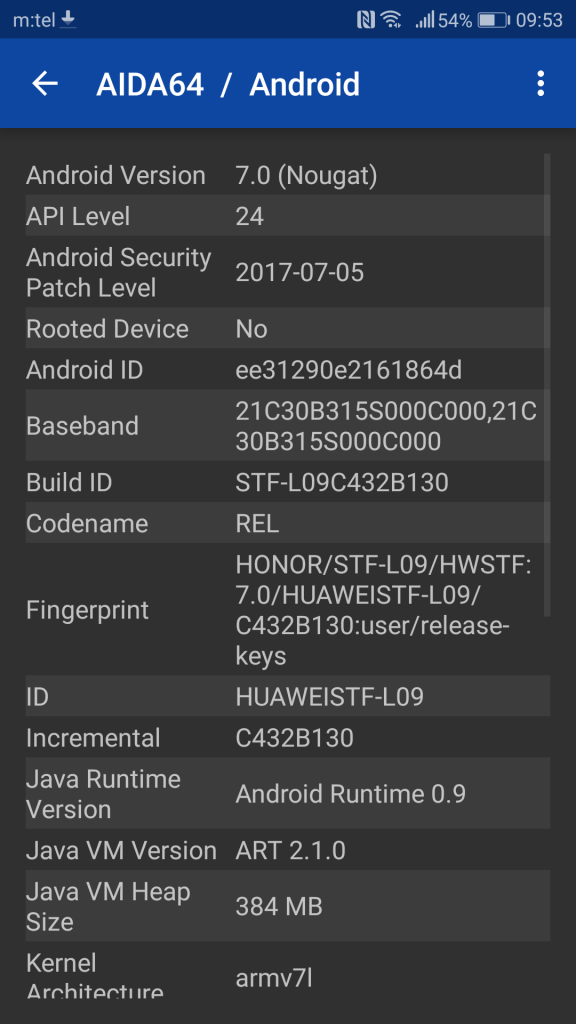
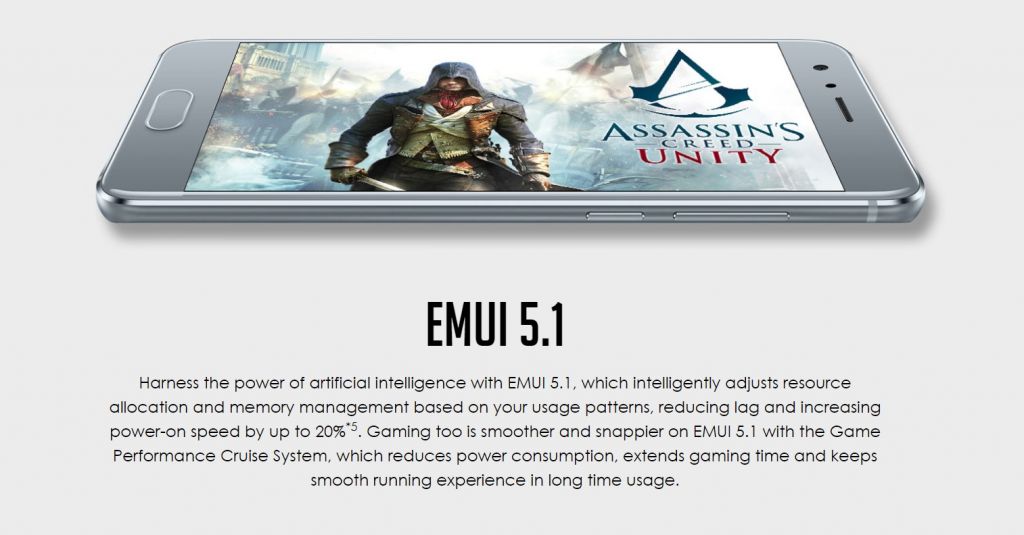
It runs on Android 7.0 Nougat firmware with July security patches and EMUI 5.1 user interface. The firmware itself is bloatware free, unless you have chosen to install some 3D games during the first boot up. It is intuitive with only a few changes which will only make navigation and use overall easier. Huawei provided several wallpapers also, and these will definitely show the full capacity of the display. Also, there are pretty rich launcher settings: screen transitions, icons, auto rotate, shake control etc. Official update to the Android Oreo is announced, but it is not precisely clear when it is to be expected.


Camera
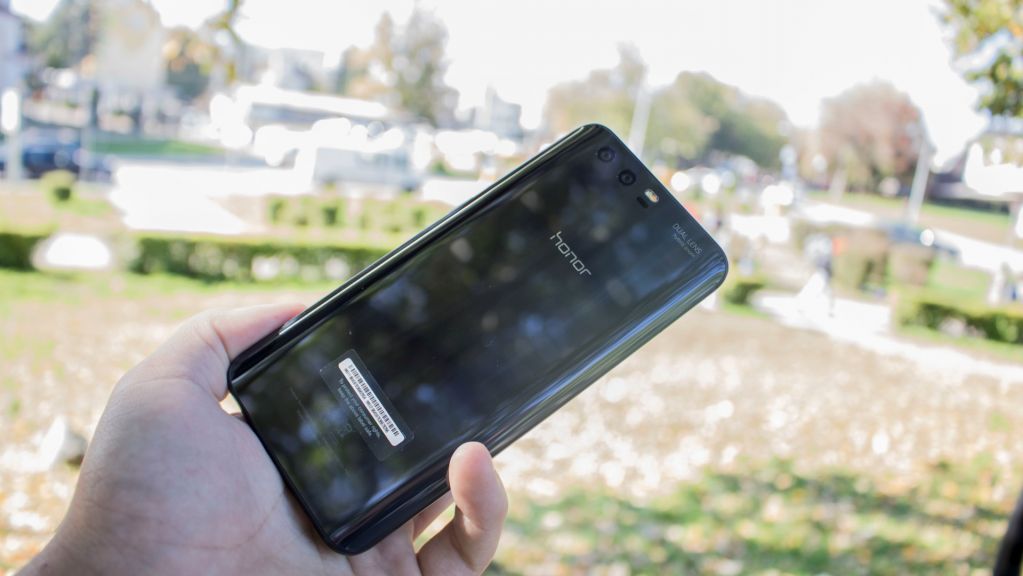
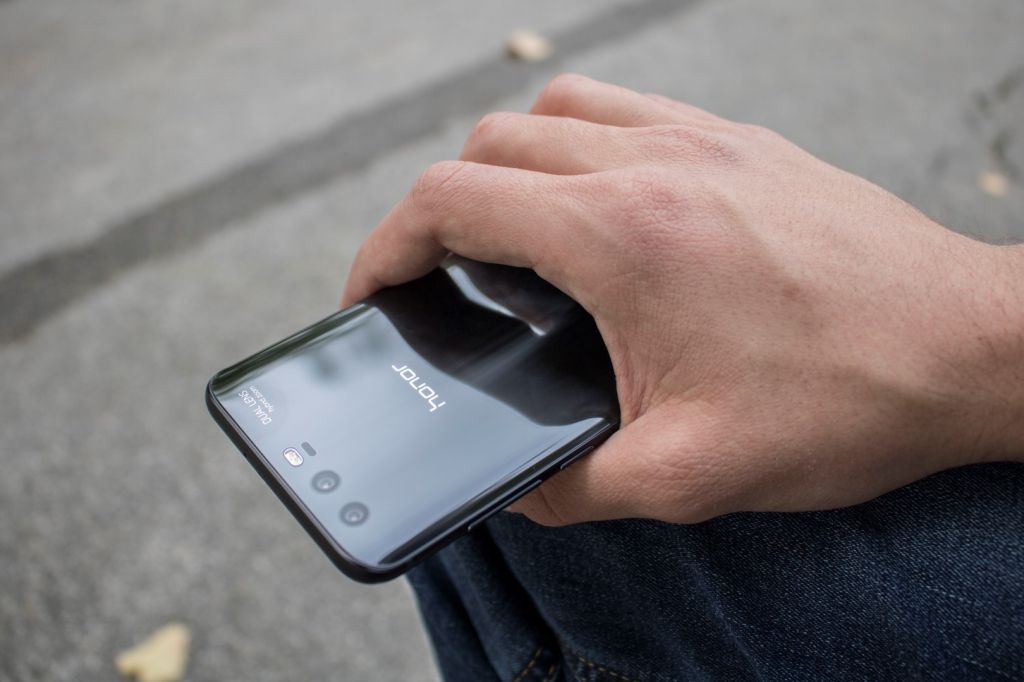
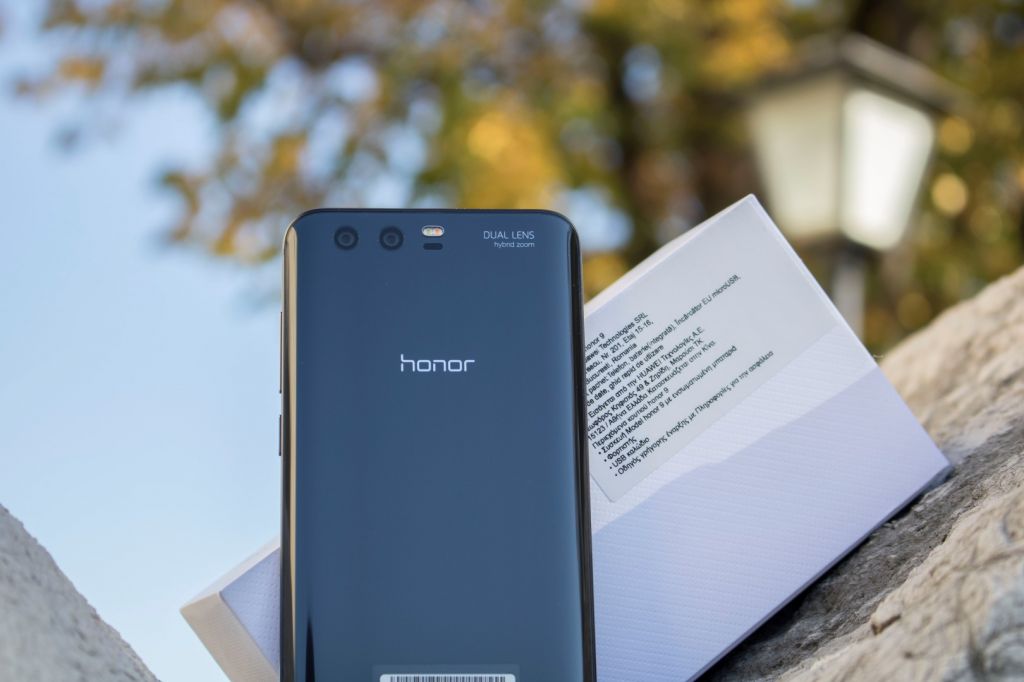
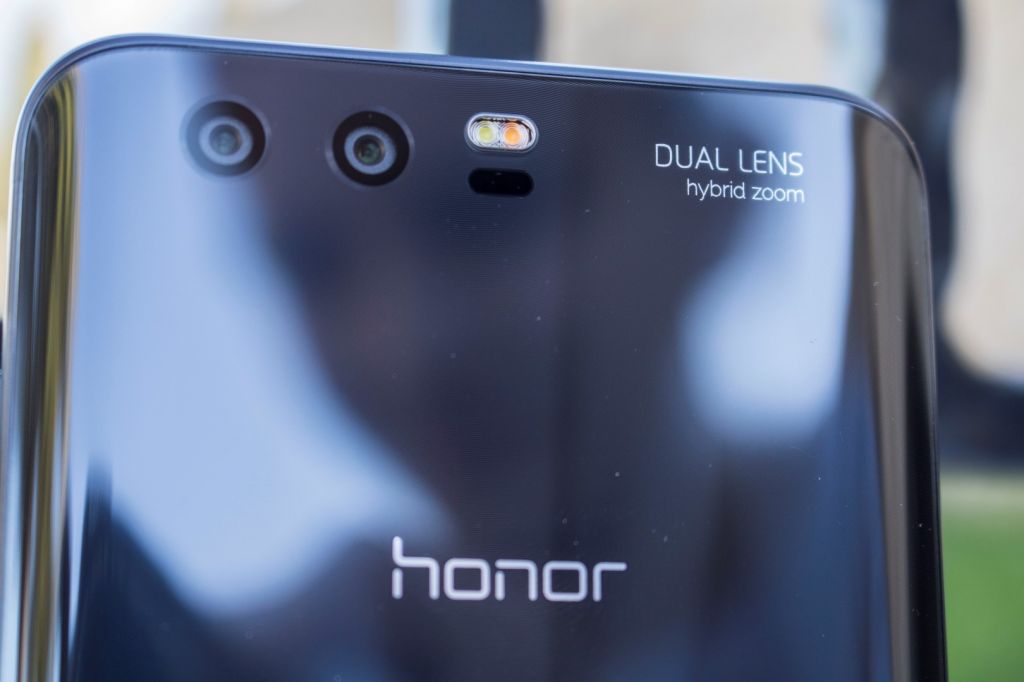
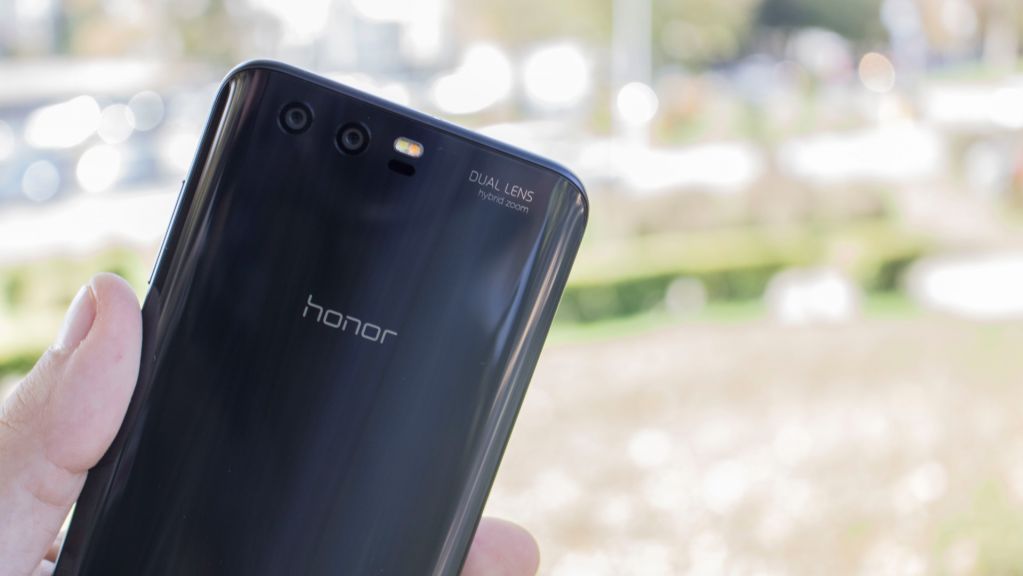
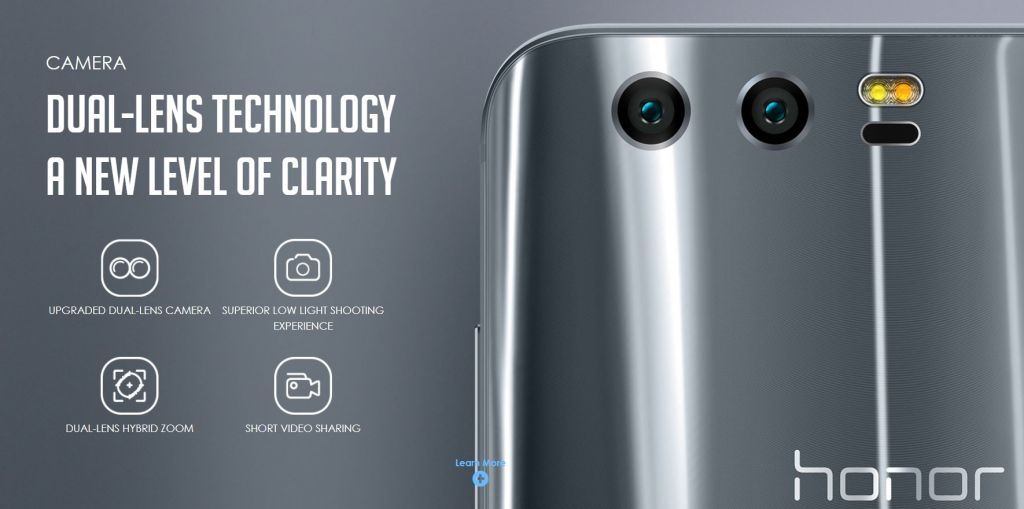
Slowly but surely, we’ve reached the most interesting thing in the Honor 9. As we’ve previously mentioned, Huawei still goes strong regarding cameras. This time as well we have a double camera setup – one monochrome and one RGB. The RGB sensor has 12MP resolution, and an aperture of f/2.2. The angle width is 27mm. The monochrome sensor packs the same specifications, with two differences – it has 20MP resolution and it lacks the Bayer Filter which is used in the color sensor. Although they have different resolutions, Huawei engineers have figured out a way to make these sensors work simultaneously, and in this symbiosis, the monochrome sensor is in charge of details while the RGB sensor captures colors, and all this results in excellent 20MP photos.

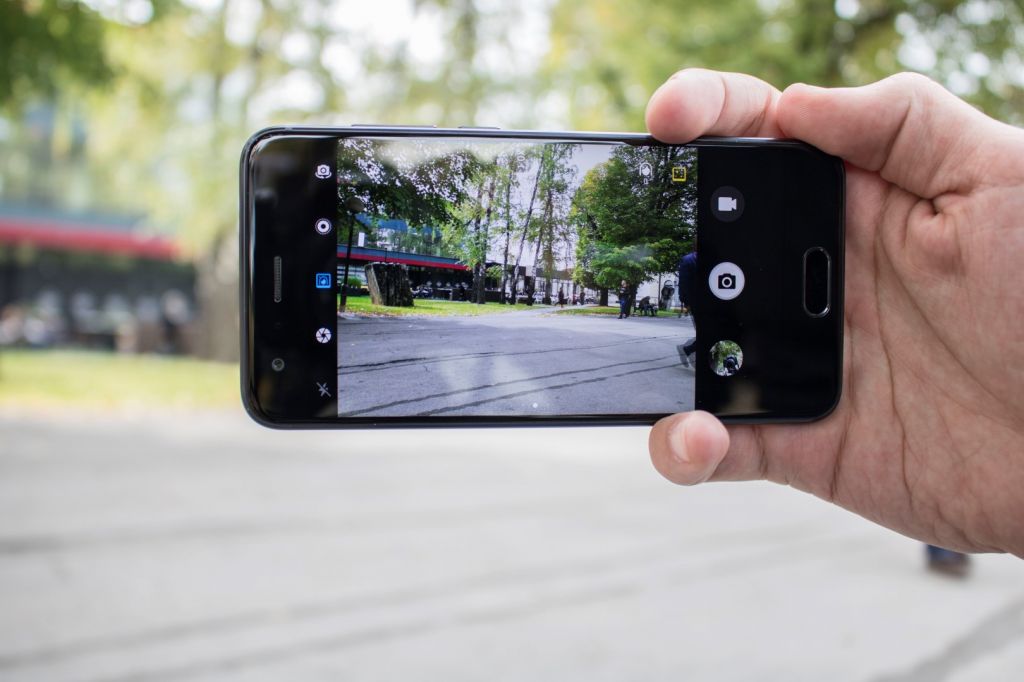
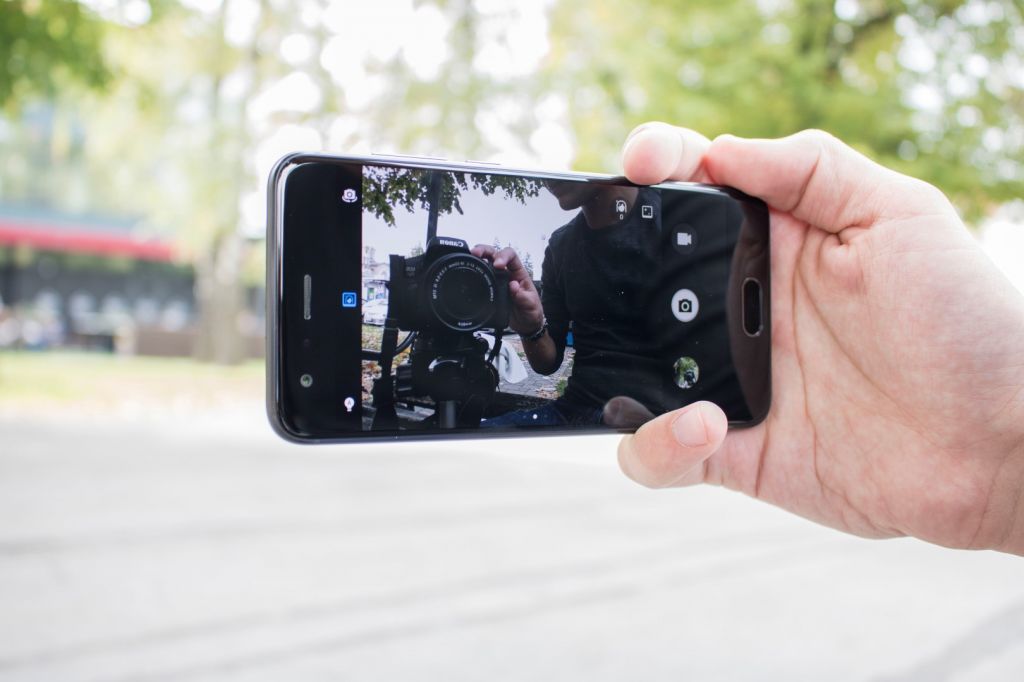
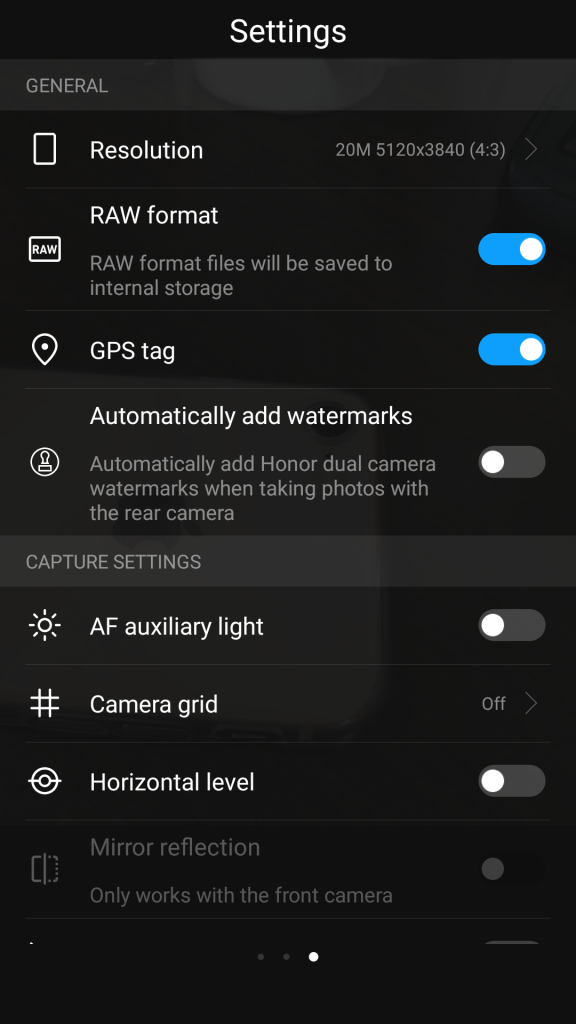
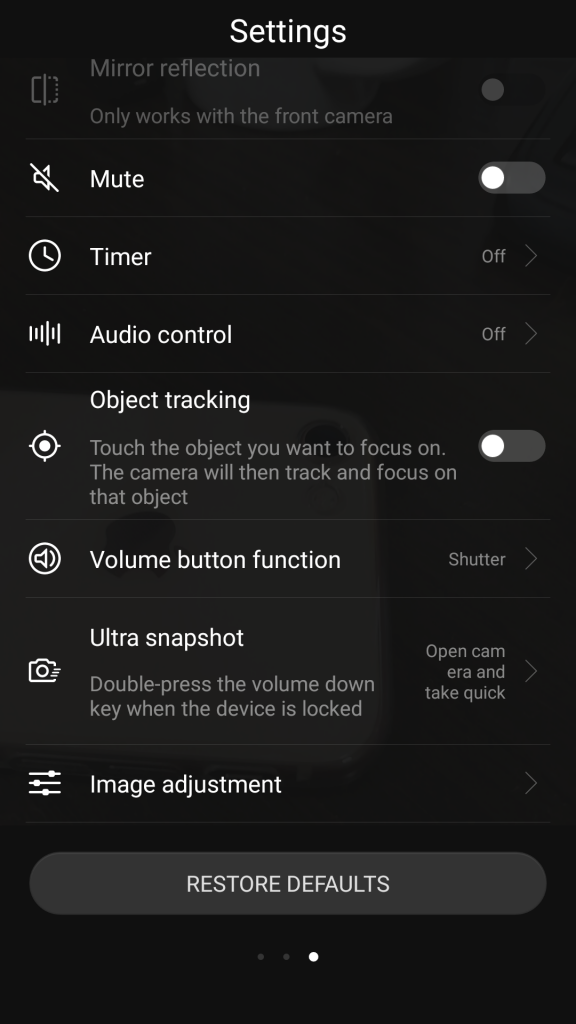
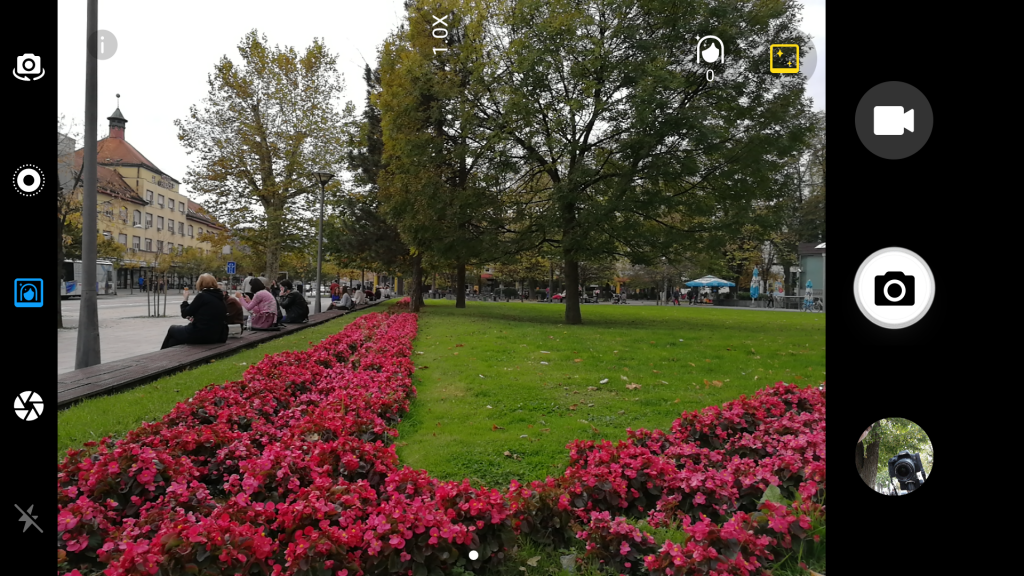
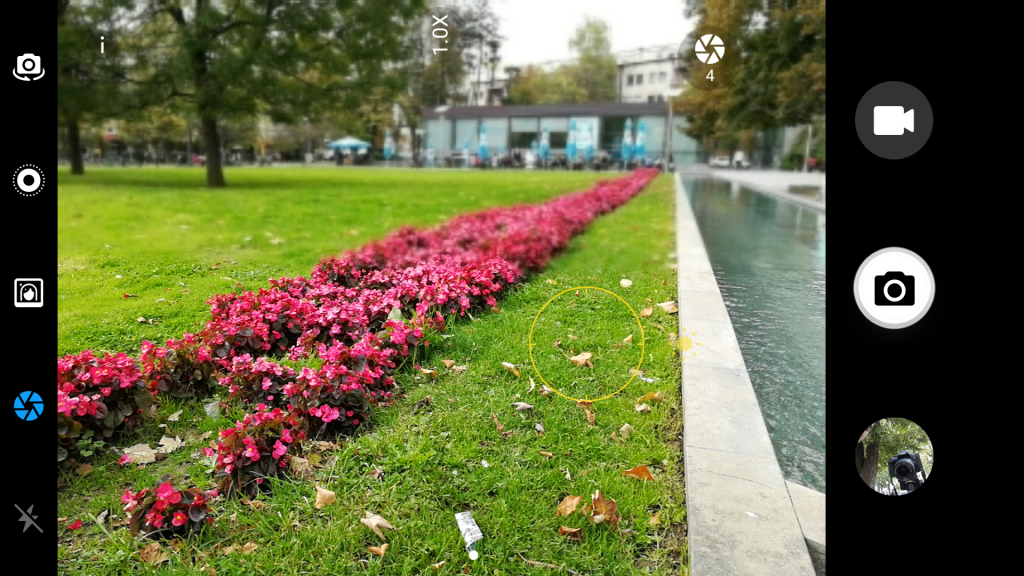
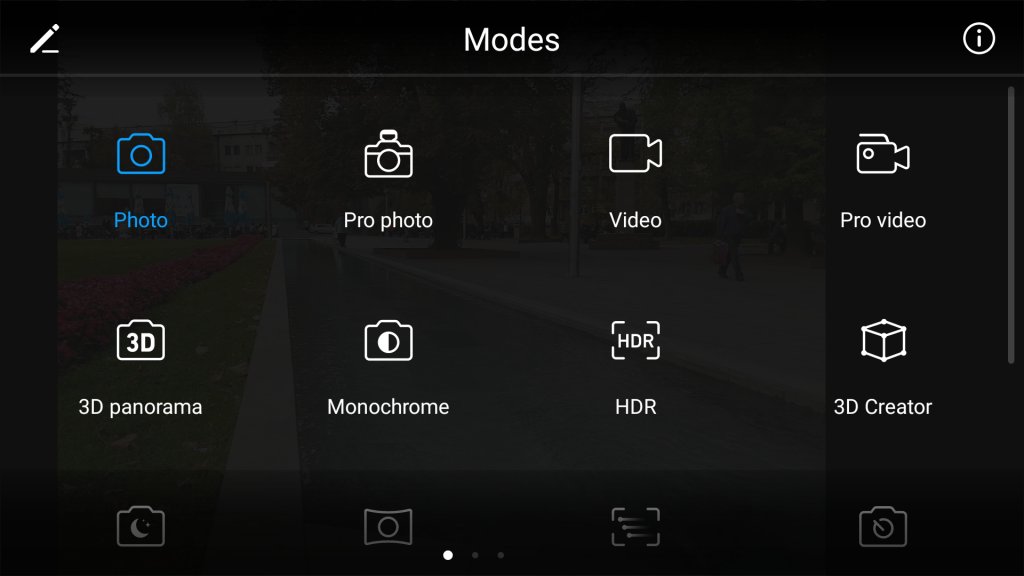
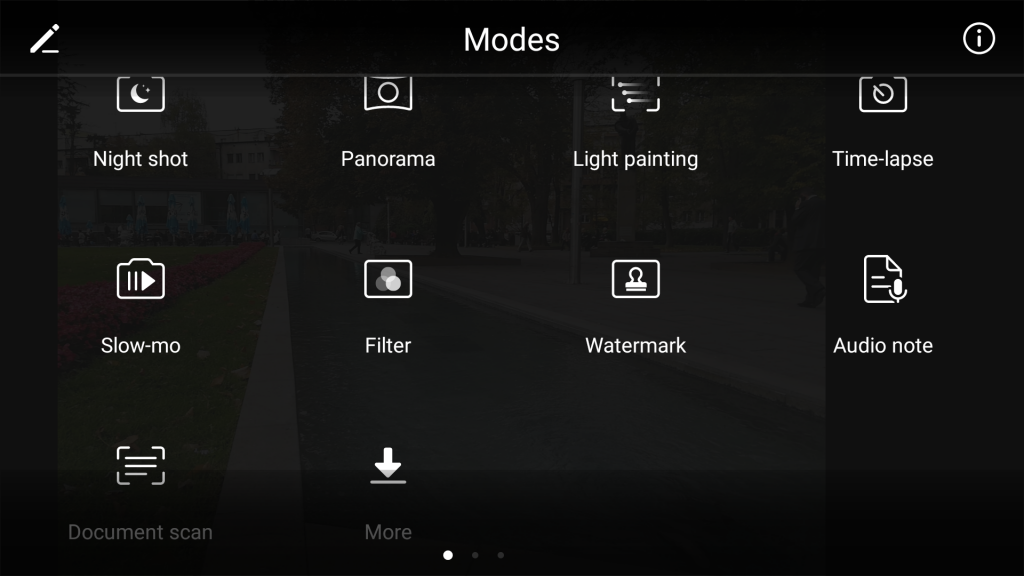
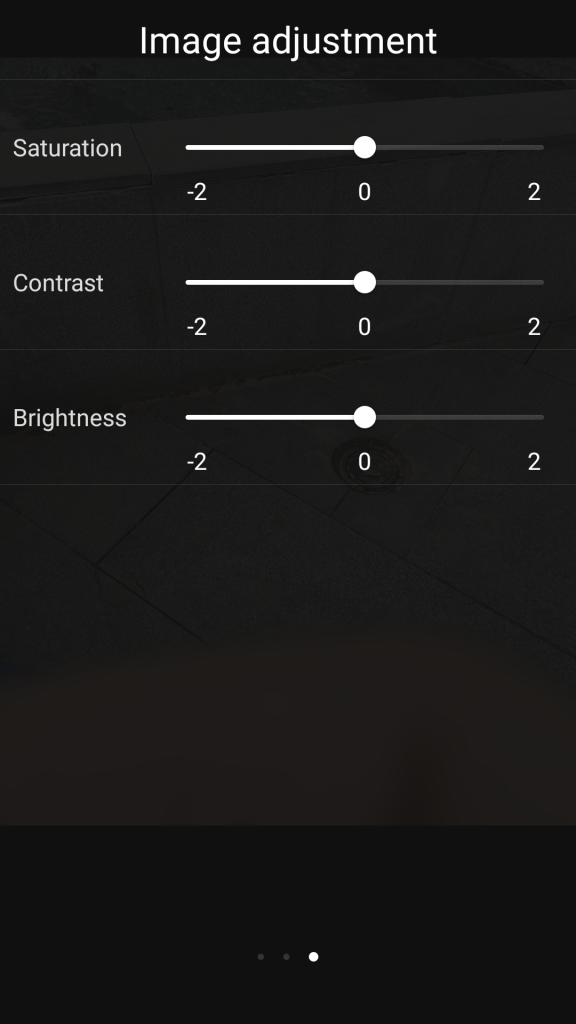
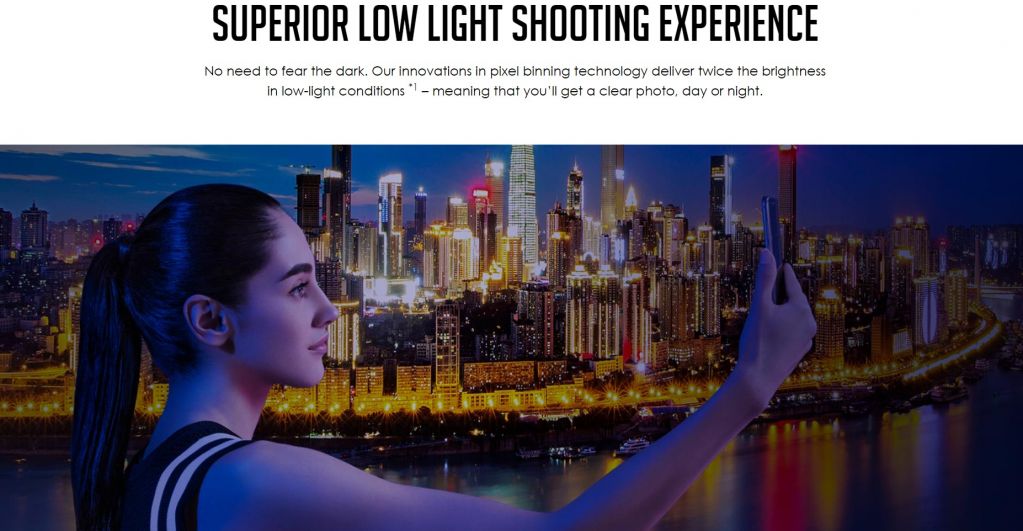
The combination of these two cameras on the back secures amazing portrait photos with the Bokeh effect, and can also zoom the image two times with no loss of quality. The Honor 9 does a very good job blurring the background, although not as pronounced as in the Note8 or the iPhone 8 Plus. There is also the Live Photos option. These are short, 3 seconds videos which are captured before photos are taken. We had a chance to see the similar thing in the iPhones since the iPhone 6S, and the Honor 9 does a very good job as well. Swiping from right to left reveals a submenu with the classic picture settings: resolution, exposition, grid, smile capture, touch to capture etc. Swiping from left to right in the camera interface we can get all the different modes, and among all them (Video, Pro Video, 3D panorama, HDR, 3D creator, Night Shot, Panorama, Light Painting, Time Lapse, Slow-Mo, Filter, Watermark, Audio Note and Document Scan) we would light to point out the PRO and Monochrome modes. The PRO mode offers a number of manual camera parameter settings which makes the Honor 9 an amazing photography machine. You can even store your photos in the RAW format. The Monochrome mode activates the monochrome sensor which makes in work alone, without the RGB sensor, and offers excellent low-light performances, and also, amazing effects can be achieved, which makes these photos much better compared to software manipulated black-and-white photos. When we speak of the quality of photos, we can only talk in superlative. Day time photos are plenty sharp, with great colors and low levels of noise. For low light shooting, there is the Night Shot mode next to the monochrome sensor. But even with all these hardware and software tools, the Honor 9 produces only decent night photos.

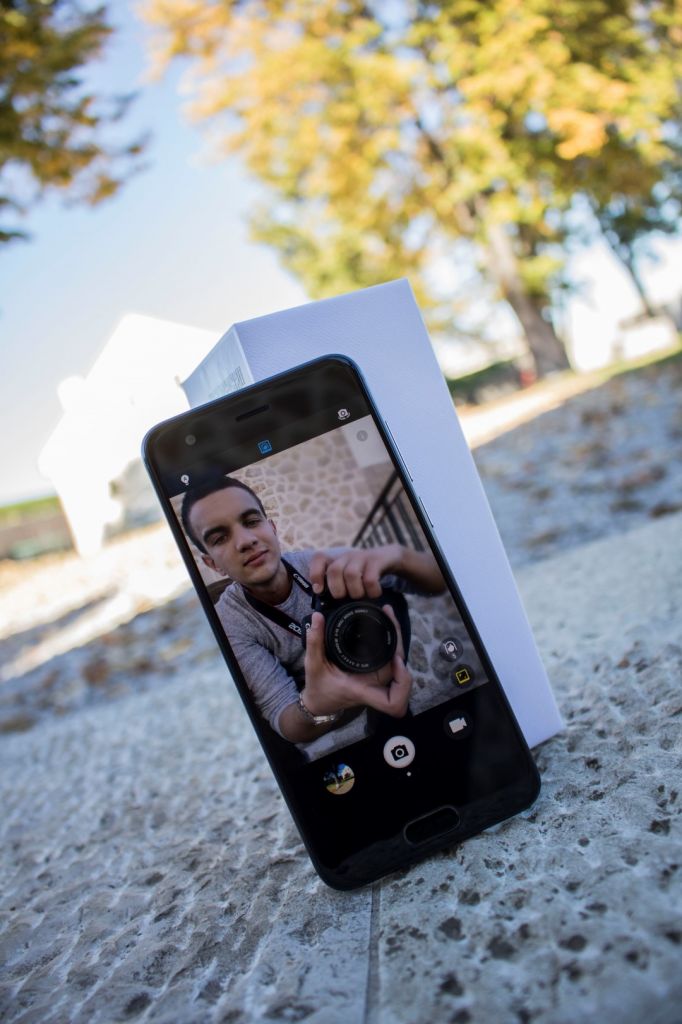
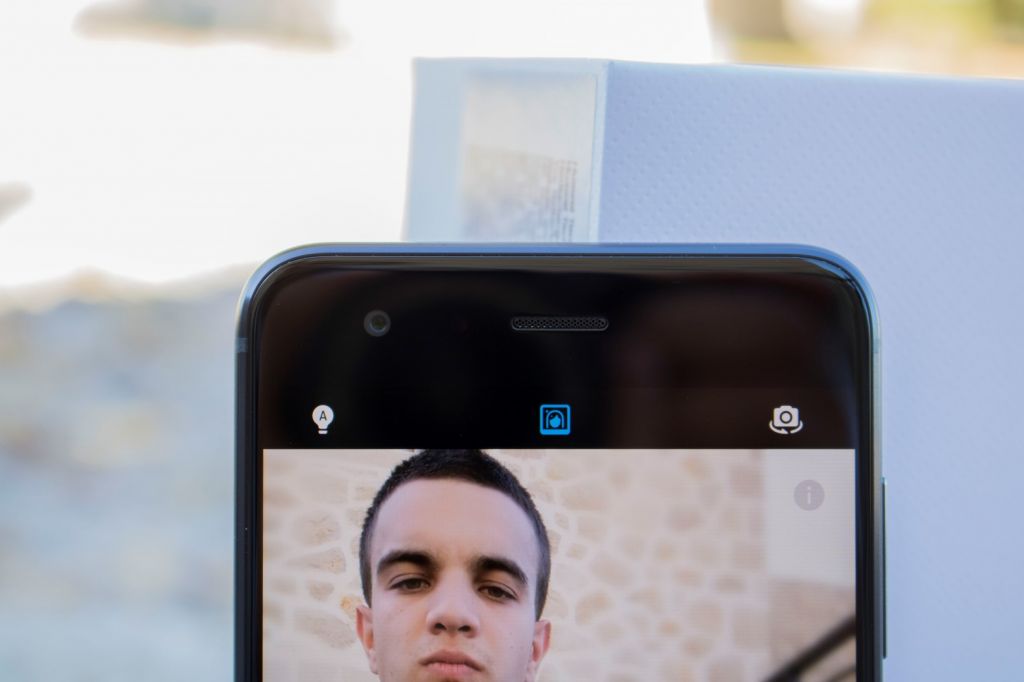
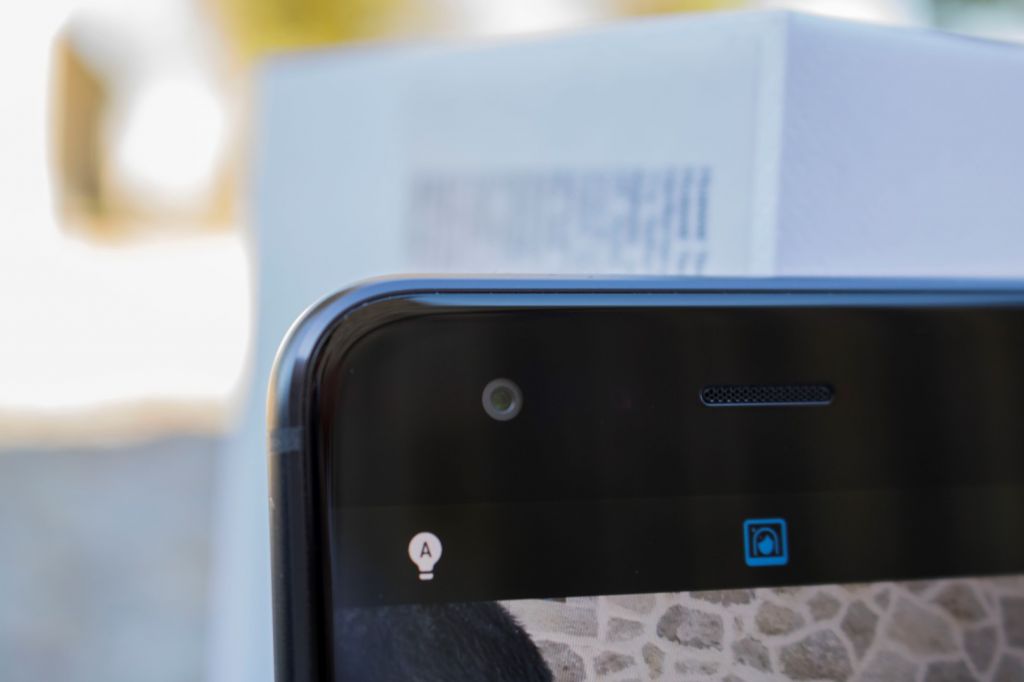
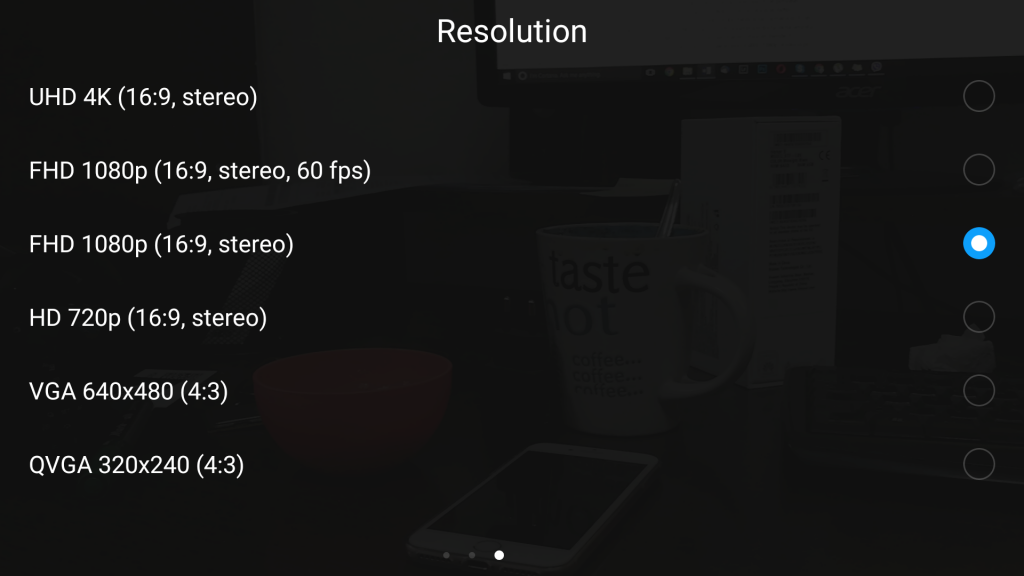
This is probably due to the aperture (f/2.2) which is not on par with other modern flagships. If you shoot an object at night at short distance, the two-tone LED flash will certainly come in handy. The rear facing camera captures videos in 4K resolution at 30fps, which is pretty good, and next to it you can also capture 1080p FullHD videos at 60fps. The image is stabilized using the EIS (electronic image stabilization), but it’s only available in 1080p resolution and not when recording 4K videos or FullHD 60fps videos, which is definitely a downside. We have stereo sound here, which is amazing! The front facing camera is pretty similar to the P10. The resolution is still 8MP, but this time with a slightly smaller aperture (f/2.0 compared to the f/1.9 in the P10). Videos are captured in FullHD 1080p resolution at 30fps, but lower resolutions are also available (HD, VGA, QVGA, MMS). Videos are stabilized and look amazing, and stereo sound only adds to the impression.
Connectivity
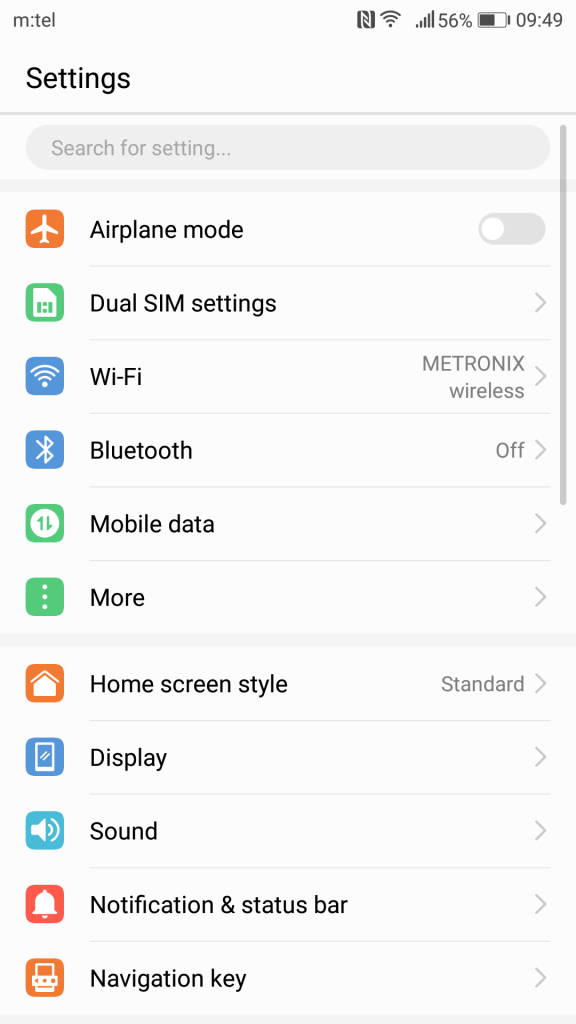
As all other modern devices, the Honor 9 comes packed with a lot of connection options. It certainly did not disappoint. The device is, of course, 4G capable, and it can work with two nanoSIM cards simultaneously, which we absolutely love. Here we have a hybrid slot which can support either two nanoSIM cards, or one nanoSIM and one microSD card which supports storage expansion up to 256 GB. USB Type-C connector is used for communications with a PC. USB OTG is also supported, which is perfectly practical. Fast charging is also here, and all this makes the Honor 9 a very well rounded device, placing it into the premium segment of the market. It can reach a 40% charge in about 30 minutes. Supported wireless connections are:
- WiFi 802.11 a/b/g/n/ac (HotSpot mode and WiFi Direct communication)
- NFC
- InfraRed
- A-GPS (GLONASS, BDS)
- Bluetooth v4.2
- NFC
Supported frequencies are:
- 2G GSM: 850 / 900 / 1800 / 1900 MHz
- 3G WCDMA: 850 / 900 / 1900 / 2100 MHz
- 4G LTE: 800 / 850 / 900 / 1800 / 2100 / 2300 / 2500 MHz
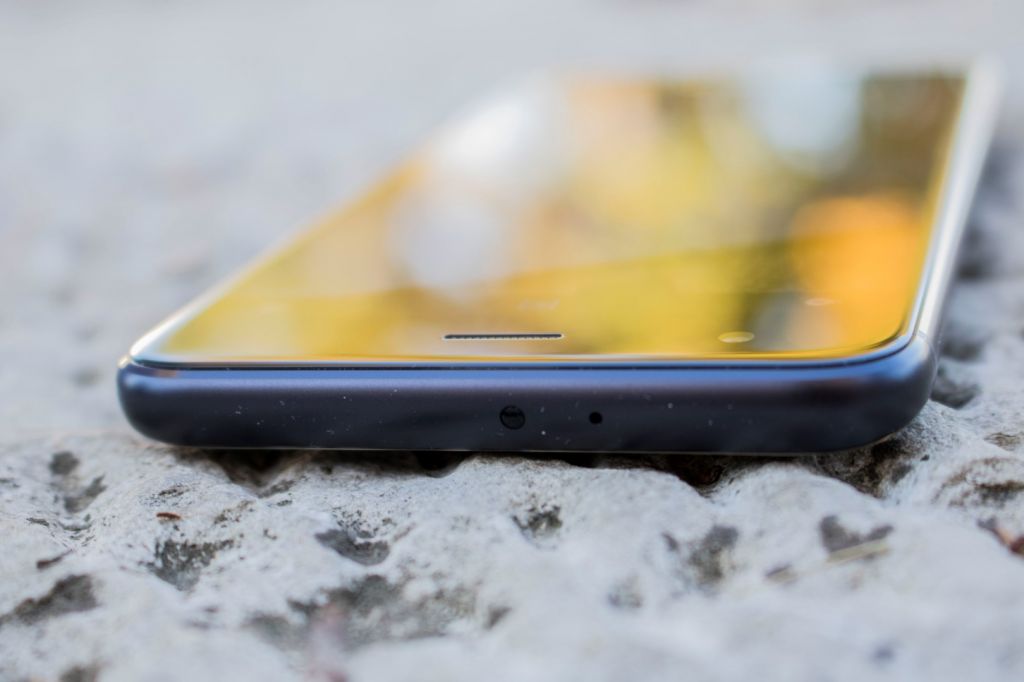
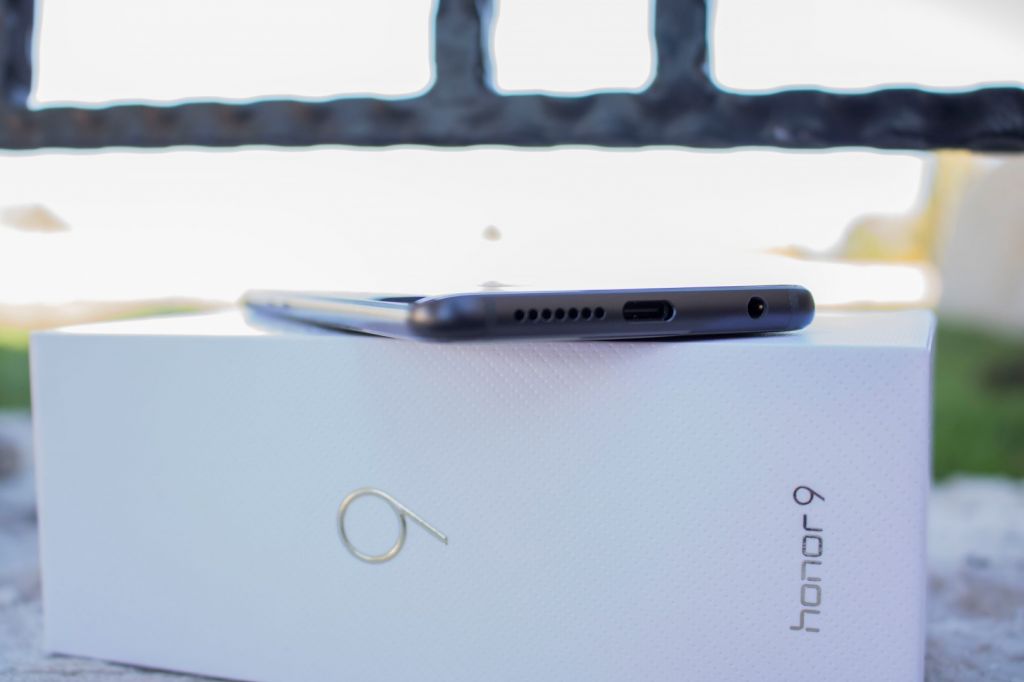
Battery
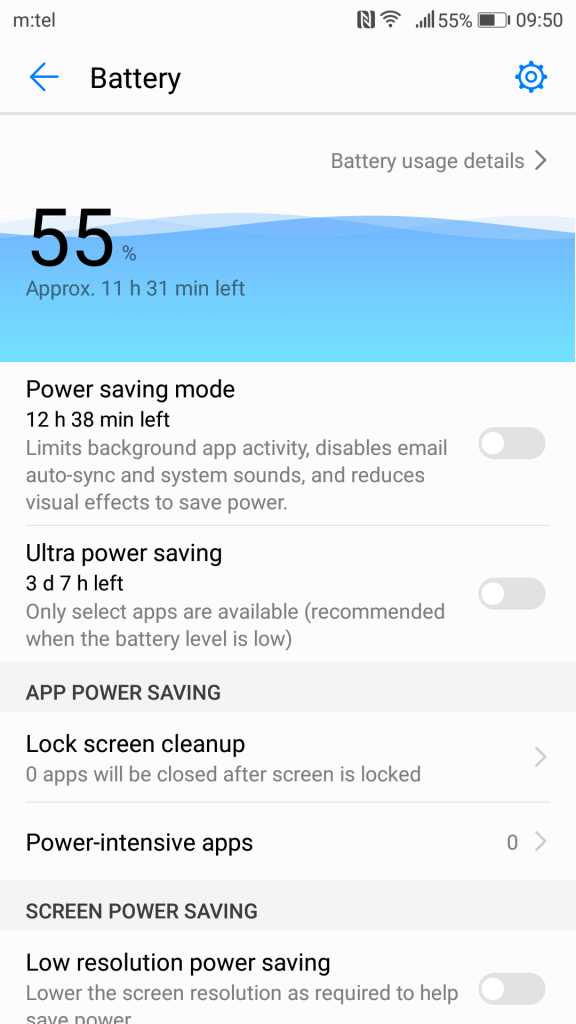
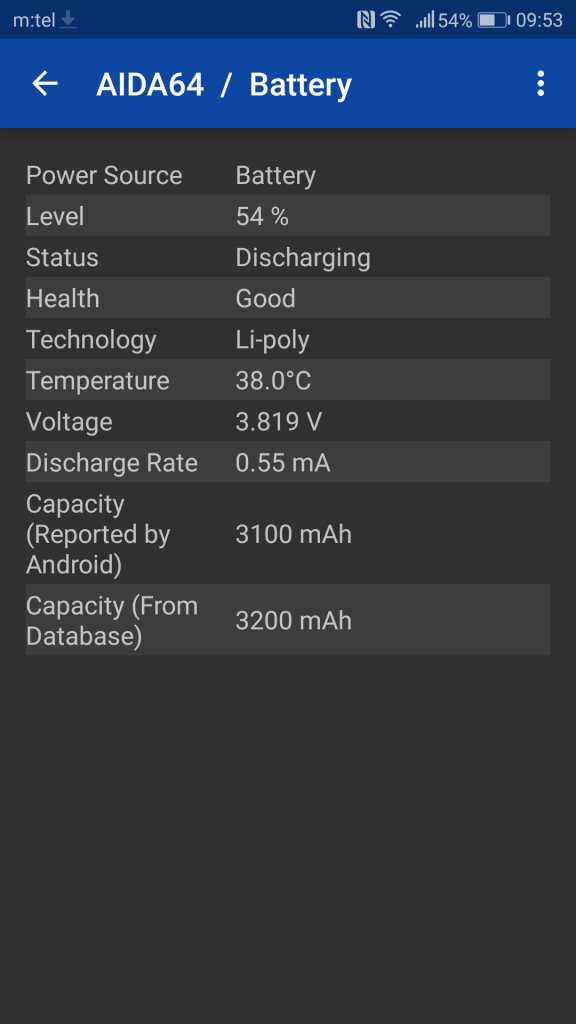
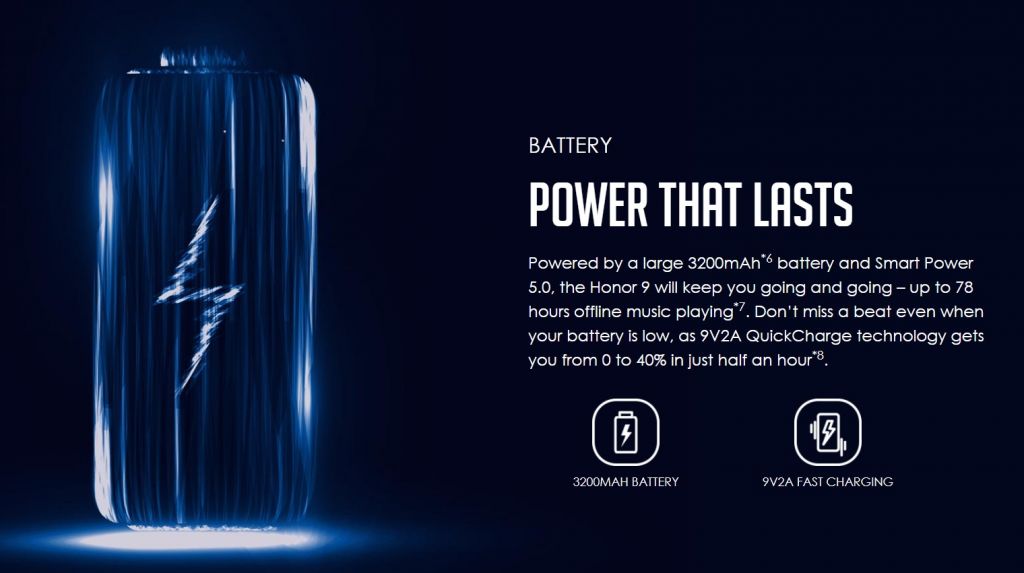
All we could already see! This time as well we have a non-removable Lithium-Polymer battery with the capacity of 3200 mAh. Full charge takes around 90 minutes, and it can provide, according to the manufacturer, up to 78 hours of offline music reproduction. The charging adapter which ships with the device is 9V/2A, and as we’ve said, it will charge 40% of the battery in 30 minutes.
Final words

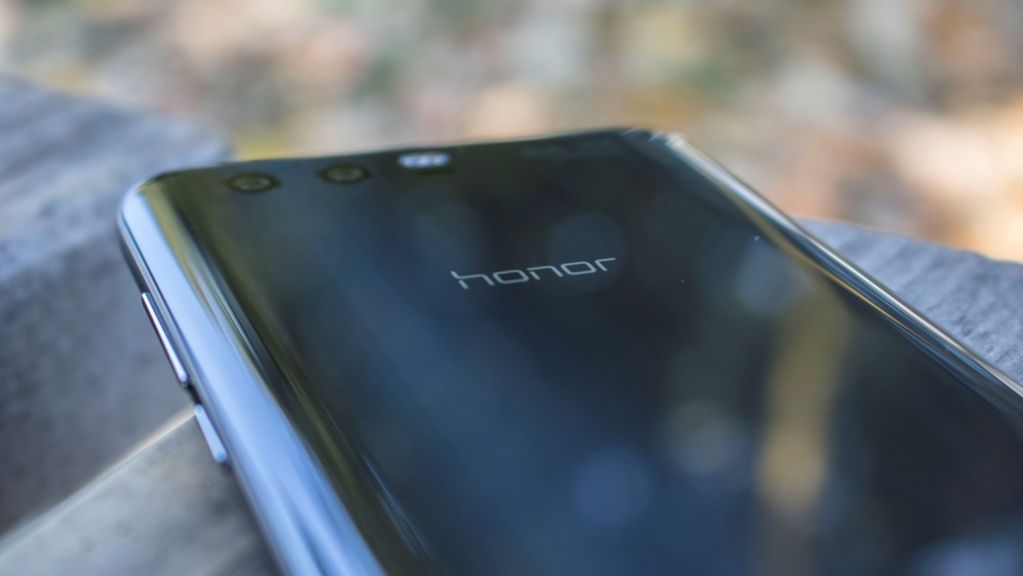
A redesigned P10? Or a completely new device? These two questions are going to pop up a lot if you’re considering buying one of these devices. And this is not an accident. The specifications are almost identical, but we, having reviewed the P10, found the Honor 9 to be a completely new device. Although regarding hardware and software these two devices are very similar, the design of the Honor 9 pushes it in front of the P10, however, this is highly subjective. Curved edges on the back with very nicely designed main cameras leave a good impression, and makes it abundantly clear that this is a premium device. At this price, the Honor 9 can spar with far more expensive devices, and we think that it is an excellent choice for users who love photography and a nice design, especially if you take into account all the colors in which the Honor 9 is available.
Do you like the Honor 9? We’d like to see your opinion in the comment section below. If you have any ideas or you would like to see a specific device being reviewed soon, feel free to let us know here or on our Facebook page. If you liked this review, subscribe to our Youtube channel, like us on Facebook, and sit back and relax while we make more of the same for you.